
Last updated November 23, 2026
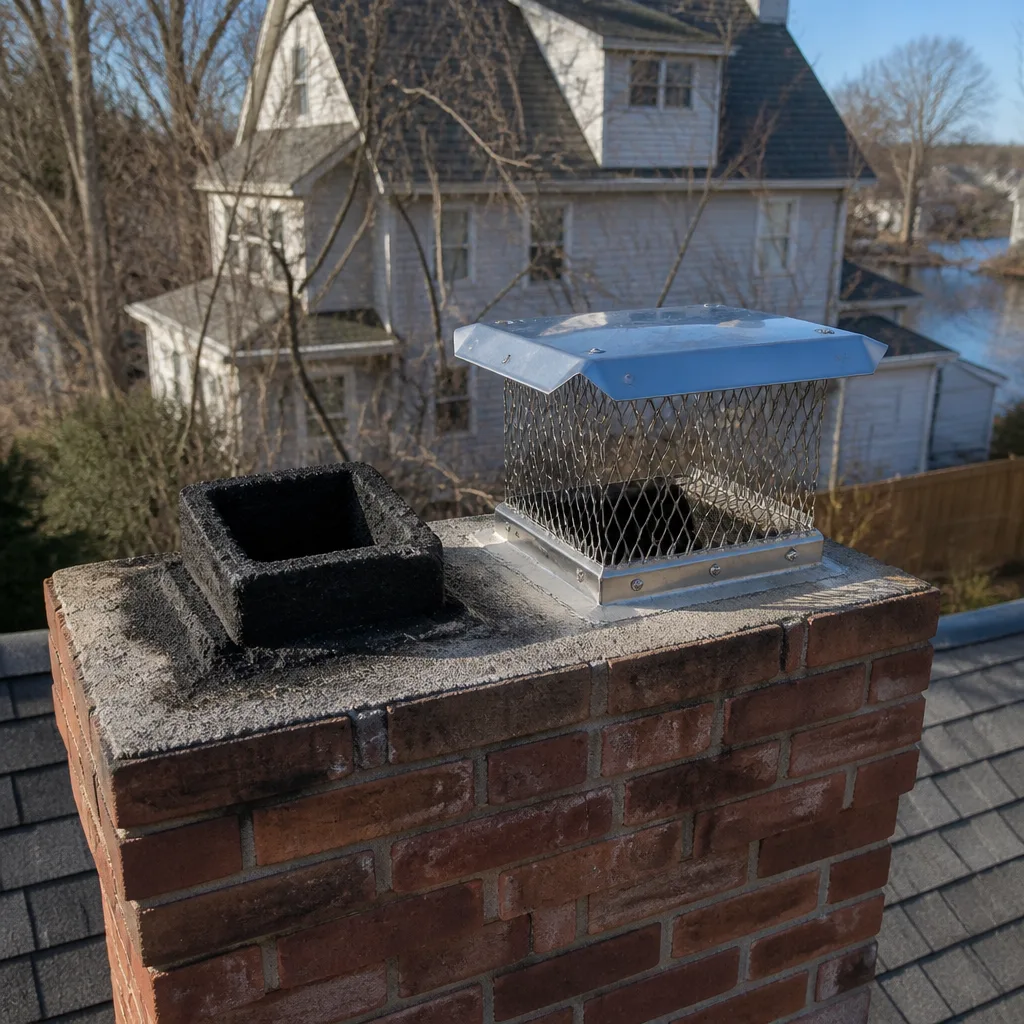 Sweep & inspection
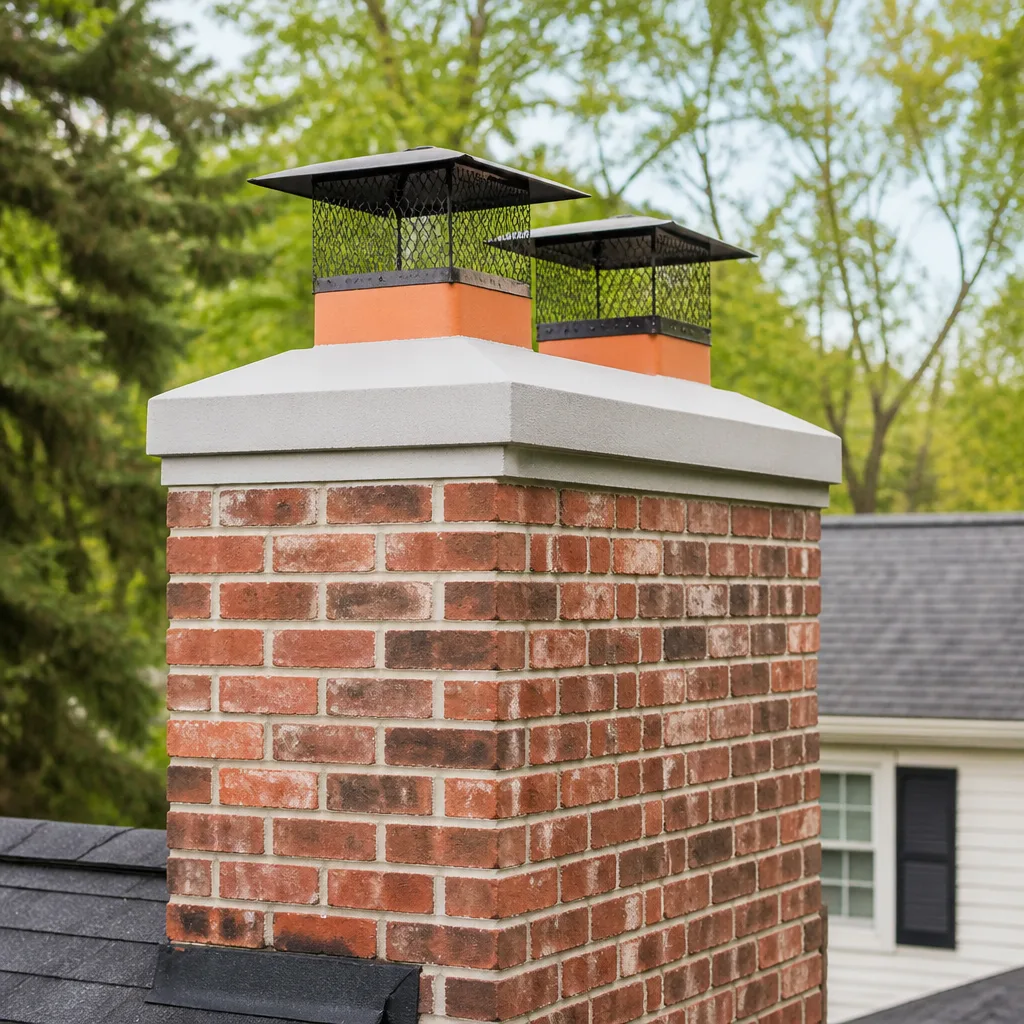 Caps & crowns
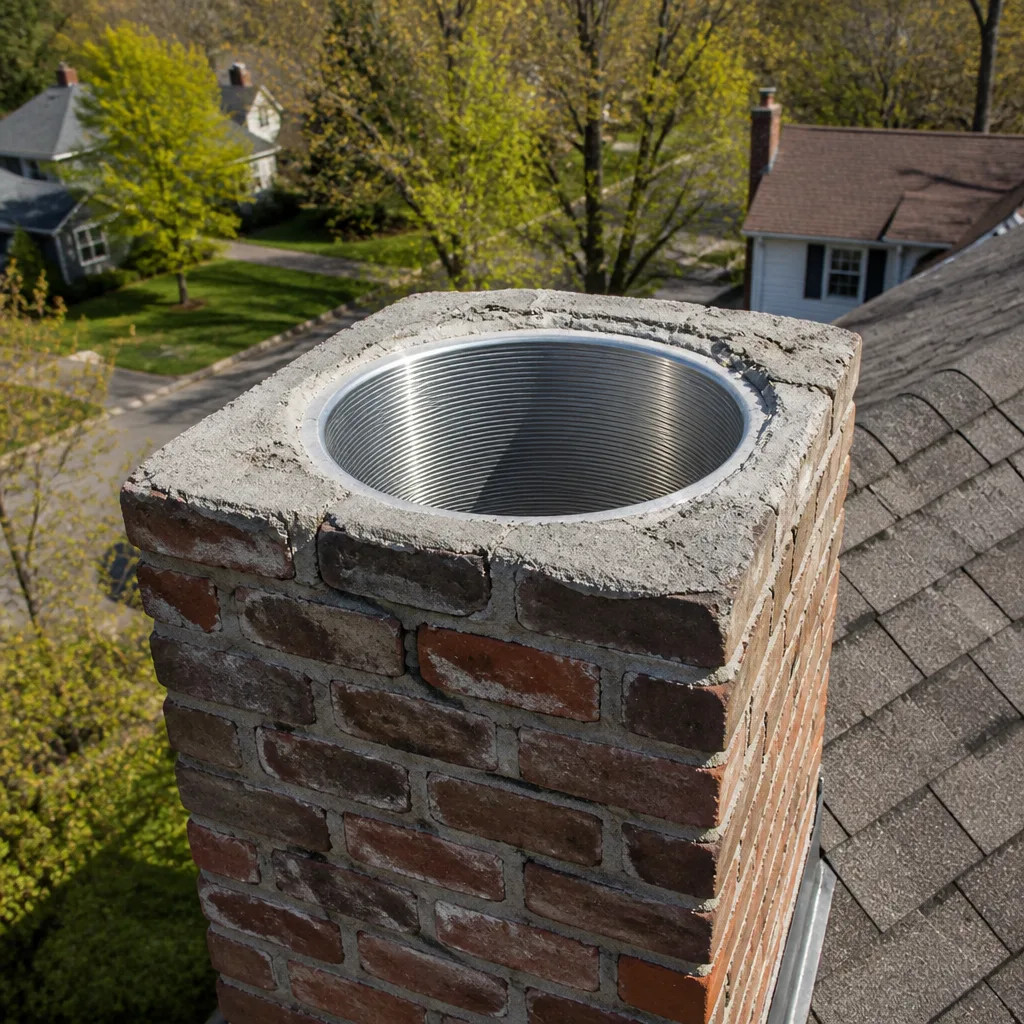 Flue relining
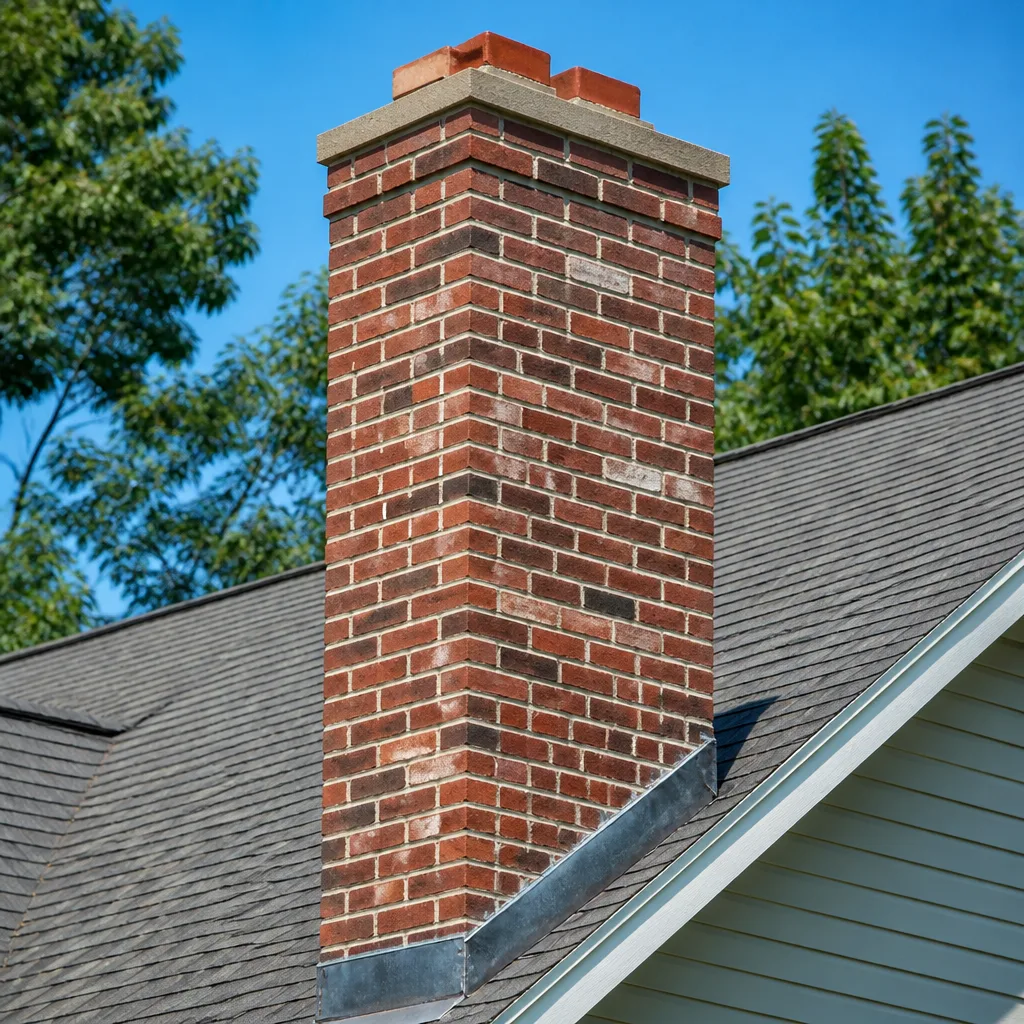 Masonry repair
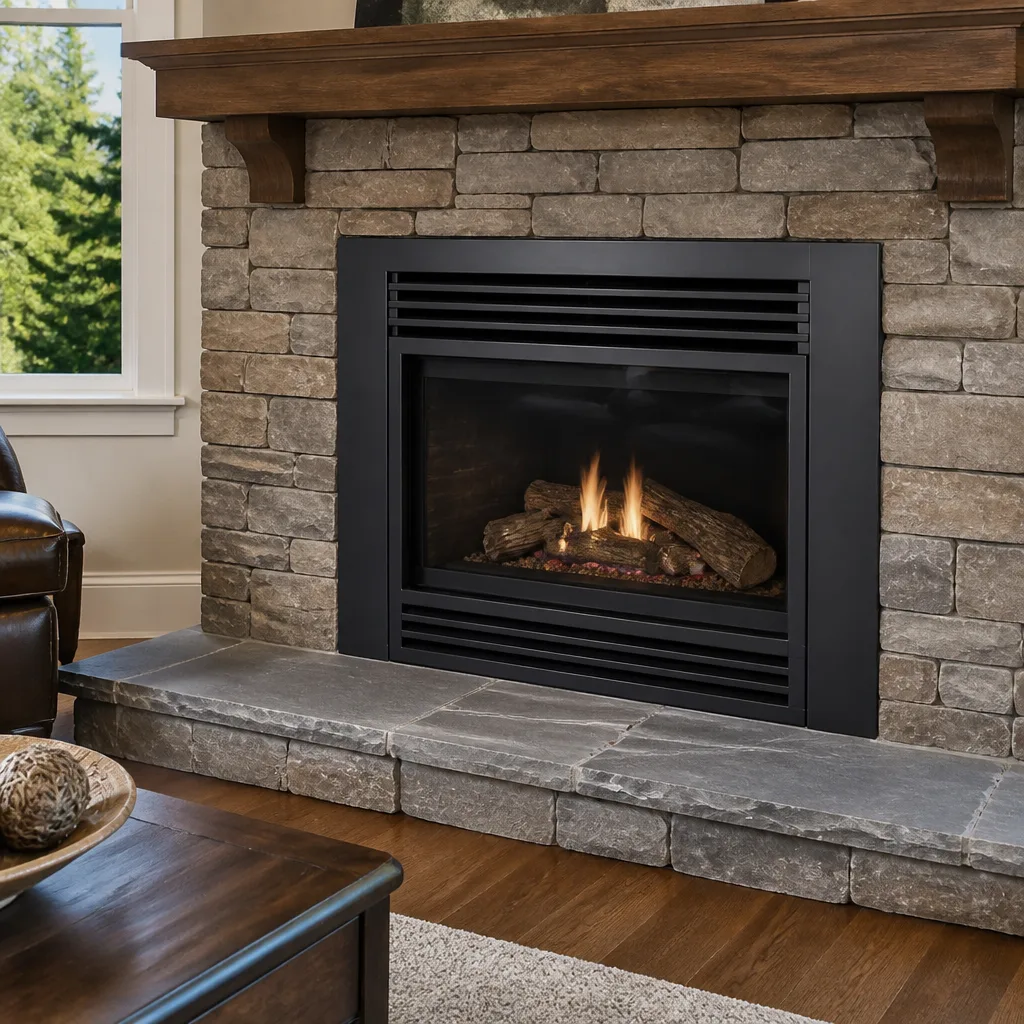 Gas fireplace service
Level 1 sweep and inspection to the NFPA 211 annual standard - flue, crown, cap, and flashing checked and photographed
Chimney sweep logs do not sweep chimneys. They loosen some creosote - which then falls where a brush and vacuum still have to collect it.
Choosing the Right Chimney Cleaning Brand: A Buyer’s Guide for Parker
Ask a chimney company what products they use and you’ll usually hear “industry-standard materials.” That phrase tells you nothing, and that’s the point. Professional-grade chimney liner systems, ceramic resurfacing compounds, and masonry sealants aren’t sold at hardware stores. They come through trade supply relationships, and the brands behind them measure their service life in decades, not seasons. That gap between a real trade product and a retail substitute is where a chimney quietly fails or quietly lasts. In this guide we’ll walk through the brands that define the trade, what each is actually used for, and how to ask a Parker Chimney Sweep Pros-style company about their suppliers in a way that reveals whether you’re talking to a specialist or a generalist with a brush kit.
Quick Answer
The right chimney company is one that works with named, professional-grade trade brands and can tell you what each material is used for. Look for a specialist who sources from suppliers like DuraFlex, HeatShield, Gelco, Olympia Chimney, Famco, and Copperfield, not a generalist buying whatever a hardware store stocks. In Parker, ask specifically which liner system, which waterproofing sealant, and which crown coating they use, because those three answers reveal their real capability level.
Styles & brands we work with
- Sweep & inspection
- Caps & crowns
- Flue relining
- Masonry repair
- Gas fireplace service
Table of Contents
- The brands that actually define the chimney trade
- Why these products aren’t sold to homeowners
- How to ask a chimney company about their suppliers
- Trade-grade vs. consumer-grade: the real differences
- What product choices tell you about warranty
- What this means for Parker homeowners
- Common mistakes to avoid
- Frequently asked questions
The brands that actually define the chimney trade
Chimney work isn’t one product. It’s a handful of separate material categories – liners, ceramic resurfacing, waterproofing, crown coatings, and creosote treatment – and the trade brand leaders differ by category. Knowing which brands cover which job is how you spot a specialist.
A few of the names that come up most in real chimney work in Parker:
- DuraFlex is a flexible stainless liner system. It’s what a specialist uses when a flue needs full relining, especially where a straight rigid liner won’t fit through an offset or a masonry chimney with bends. Seeing DuraFlex in a company’s toolkit is a signal they do structural relining, not just cleaning.
- HeatShield is a ceramic resurfacing system used to restore a damaged flue from the inside without demolition. It’s a specialized repair method most sweep companies don’t offer because it requires the training, the application tools, and access to the product. When a company can perform HeatShield work, they’ve moved beyond surface-level service.
- Gelco covers waterproofing and masonry treatment products. These are the sealants applied to brick and mortar to stop water absorption, which is the single largest driver of long-term chimney deterioration in Colorado’s freeze-thaw cycles.
- Olympia Chimney makes caps, crowns, and accessories. Crown coatings and cap systems from a trade supplier are built to handle years of freeze-thaw, wind, and hail, which retail products often aren’t.
- Famco covers caps, dampers, and related components. A company that stocks and installs Famco parts has a source for structural chimney components, not just a source for brushes.
- Copperfield is another name that appears in cap, crown, and masonry supply work. Consistency with these brands across a job is what separates a true specialist from someone who buys whatever’s on sale.
Parker Chimney Sweep Pros sources and installs from all six of these: DuraFlex, HeatShield, Gelco, Olympia Chimney, Famco, and Copperfield. That’s not a marketing list – it’s a description of the capabilities that come with each brand relationship. We inspect before we recommend, and the recommendation is grounded in what the materials can actually do.
Why these products aren’t sold to homeowners
Professional chimney materials live behind a supply chain that most homeowners never encounter. Walk into any big-box hardware store and you’ll find brushes, consumer caulk, and a few generic cap kits. What you won’t find is a DuraFlex flexible liner, a HeatShield ceramic kit, or a Gelco masonry waterproofing system formulated for chimney masonry, because those products are sold only through chimney trade distributors.
That gatekeeping matters for how you evaluate a company. There are three practical reasons:
- The products require training to install correctly. A HeatShield ceramic application has a specific process for surface prep, application, and curing. Installing it wrong means it delaminates and the flue is no better off. A supply house won’t sell the product to someone they don’t believe can install it, because the brand’s reputation goes with every job.
- Warranty flows through the trade channel. Trade-grade products carry manufacturer warranties tied to authorized installation. Buy a consumer-grade crown coating at retail and the warranty ends the moment you open the bucket. Buy a trade-grade coating through an authorized installer and the warranty actually means something.
- Access is a proxy for competency. When a company can source DuraFlex, they can perform structural relining. When they can source HeatShield, they can perform non-demolition liner restoration. The brand relationships track the service capabilities, because a company can’t stock what it can’t install.
In Parker, freeze-thaw cycling is hard on chimneys. Masonry absorbs moisture, the moisture freezes overnight, and the expansion cracks the mortar and spalls the brick. That’s why the waterproofing and crown product choices matter here more than in a mild climate. A crown coating that isn’t rated for repeated freeze-thaw cycles won’t last through a Colorado winter, and a waterproofing sealant that traps moisture instead of letting masonry breathe will do more harm than good. The trade-grade options are formulated for exactly this climate pattern, which is why a specialist in Parker doesn’t cut corners on them.
How to ask a chimney company about their suppliers
The single question that separates specialists from generalists is: “Which liner system do you install, and why that one?” Most generalists will deflect to “industry standard” or “whatever’s code-approved.” A specialist will name a brand and explain the job it handles best. Here’s a short script you can use with any company in Parker.
- Ask the liner brand question. “If my flue needs relining, what system do you install?” A specialist names a flexible liner brand like DuraFlex and explains why a flexible system fits more masonry chimneys than a rigid one.
- Ask the resurfacing question. “If the flue liner is spalled but the chimney structure is sound, can you resurface it without a rebuild?” A specialist mentions HeatShield or a comparable ceramic method. A generalist says “you’ll need a new liner” because that’s the only tool they have.
- Ask the waterproofing question. “What do you use to waterproof the brick, and is it vapor-permeable?” A specialist names a masonry-specific product line and explains why vapor-permeable matters for a chimney that needs to dry from the inside.
- Ask the crown question. “What’s the crown coating you use, and how does it hold up to freeze-thaw?” A specialist names a crown or cap brand and describes the product’s climate performance. A generalist says “we use a good masonry sealer.”
- Ask where they source from. A specialist works through a chimney trade distributor. A generalist buys at retail. The answer to “where do you buy your materials?” tells you which channel you’re dealing with.
None of these questions require a homeowner to become a chimney expert. You just have to listen for whether the answer is specific. “Industry-standard” is a dodge. “A flexible stainless liner sized to the flue” is a specialist’s answer. When you call Parker Chimney Sweep Pros, you’ll get the second kind of answer.
Trade-grade vs. consumer-grade: the real differences
The differences between trade-grade and consumer-grade chimney products aren’t subtle once you know where to look. They show up in three categories that matter most in Parker: creosote treatment, waterproofing, and crown coatings.
Creosote treatment
Creosote is the tar-like residue that builds up inside a flue when wood burns incompletely. Stage-three creosote – the glazed, hardened type – is a fire hazard, and consumer-grade chemical treatments sold at retail often can’t break it down enough for a brush to remove. Trade-grade treatments, applied by a technician who knows the correct dwell time and stage of creosote, actually soften the glaze so the sweep can remove it. The trade products are formulated to work under the supervision of someone who can judge the creosote stage, which is why they aren’t sold retail. This is also why “we’ll just sweep it” isn’t a substitute for a proper treatment plan on a heavily loaded flue.
Waterproofing sealants
Consumer masonry sealants often form a film on the surface and trap moisture inside the brick. On a chimney in a freeze-thaw climate, that’s the wrong outcome – the moisture freezes, expands, and spalls the brick face. Trade-grade waterproofing from a line like Gelco is vapor-permeable: it stops liquid water from getting in while letting trapped moisture escape as vapor. That’s the difference between a waterproofing job that protects a chimney for a decade and one that accelerates its deterioration. The product choice matters more than the labor.
Crown coatings
The crown is the concrete top of the chimney, and it’s where most water damage starts. A cracked crown lets water into the masonry from above, and that water works its way down the flue. Consumer crown patching compounds often fail within a winter or two because they don’t bond well to the existing concrete and don’t flex with the freeze-thaw cycle. Trade-grade crown coatings from a supplier like Olympia Chimney or Copperfield are formulated for flexibility and adhesion, and they hold up through repeated cycles. A crown coating is a small line item with an outsized effect on how long the rest of the chimney lasts.
Here’s a quick reference for the product categories and what to look for:
- Liner: Flexible stainless (DuraFlex-type) for masonry flues with offsets; rigid for straight runs.
- Liner resurfacing: Ceramic (HeatShield-type) for a sound structure with a deteriorated inner surface.
- Waterproofing: Vapor-permeable masonry sealant (Gelco-type), not a surface film.
- Crown: Flexible trade-grade crown coating or full crown rebuild depending on crack severity.
- Cap: Trade-grade stainless or copper cap sized to the flue, with a spark arrestor.
Parker Chimney Sweep Pros offers all five categories as part of one service relationship, so you’re not piecing together a liner from one contractor and a cap from another. One specialist, every chimney service.
What product choices tell you about warranty
A company’s material choices predict how they handle warranty, because trade-grade products are warrantied through the manufacturer and tied to authorized installation. When a company installs a DuraFlex liner, the manufacturer stands behind the product for a defined period, and the installer’s workmanship is implicitly on the hook too. When the same job is done with a retail substitute, you get whatever the hardware store’s return policy offers, which is nothing once the product is installed.
Ask any Parker chimney company two questions about warranty:
- “Is the material you’re installing manufacturer-warrantied, and for how long?” A specialist will answer quickly and specifically. A generalist will deflect.
- “If the crown coating fails in a couple of seasons, what’s your process?” A specialist will describe a return inspection and, if the failure is on the workmanship or a defective product, a repair. A generalist will say “we don’t get callbacks.”
The material choice and the warranty are the same decision. Trade-grade products with authorized installation give both parties something to stand on. That’s not a luxury upgrade – it’s the difference between a chimney repair that’s still protecting the home five years from now and one that needs to be redone. We inspect before we recommend, and we won’t put a product on your chimney we can’t stand behind.
What this means for Parker homeowners
Parker sits in a climate that punishes shortcuts. The ground freezes and thaws repeatedly through the fall and winter, which drives moisture into every masonry joint on a chimney. The wind that comes across the open plains pushes rain and snow against the crown and cap from angles a milder climate never sees. Hail is a real seasonal threat to caps and crowns. All of that means the material choices on a Parker chimney aren’t academic – they’re the difference between a chimney that shrugs off the season and one that needs patching every spring.
That’s the reasoning behind our service range in Parker. A homeowner with an actively used fireplace doesn’t just need an annual chimney sweep – they need to know the flue is sound, the crown is intact, the cap is doing its job, and the masonry is sealed against moisture. The chimney repair side of the work is where the trade brands show up: liner installations, ceramic resurfacing, crown coatings, waterproofing. The fireplace repair side handles the firebox and damper, where consumer products have no place at all. Each of those jobs has a different best material, and the specialist who stocks all of them is the one who can actually solve a whole-system problem instead of patching one symptom.
Parker’s housing stock includes everything from newer construction with factory-built fireplaces to older masonry chimneys that have been through many winters. A new homeowner in Parker who inherited a fireplace of unknown condition is the classic case for a full inspection before the first fire – the flue liner, the crown, the cap, the damper, and the firebox all get checked. That inspection is what tells us whether a sweep is enough or whether a trade-grade repair is warranted. Our technicians have up to 14 years of experience, and that experience is mostly about knowing which situation is which.
Common Mistakes to Avoid
- Accepting “industry-standard products” as an answer. That phrase is a placeholder. Ask for the brand and the job it handles, and you’ll know whether you’re talking to a specialist.
- Hiring a generalist because the price is lower. A lower estimate often means retail-grade materials where a trade product belongs. On a Parker chimney, the difference usually shows up within a couple of winters, and the second job costs more than the first.
- Letting a sweep service recommend a liner without showing you the inside of the flue. Ask for camera evidence of what they saw. If they can’t or won’t show it, the recommendation is a guess.
- Skipping the crown and cap because the fireplace still works. Water intrusion starts at the top and works down. A cracked crown or a missing cap can look fine from the living room until the masonry is already compromised.
- Treating waterproofing as cosmetic. A masonry sealant that traps moisture is worse than no sealant. Ask whether the product is vapor-permeable, especially in a freeze-thaw climate.
- Using retail caulk or consumer crown patch on a failing crown. Those products often fail within a season or two. A trade-grade crown coating or a full crown rebuild lasts much longer.
- Not asking which liner system a company installs. The answer tells you whether they do structural relining at all, which is a different service from a sweep.
See the difference
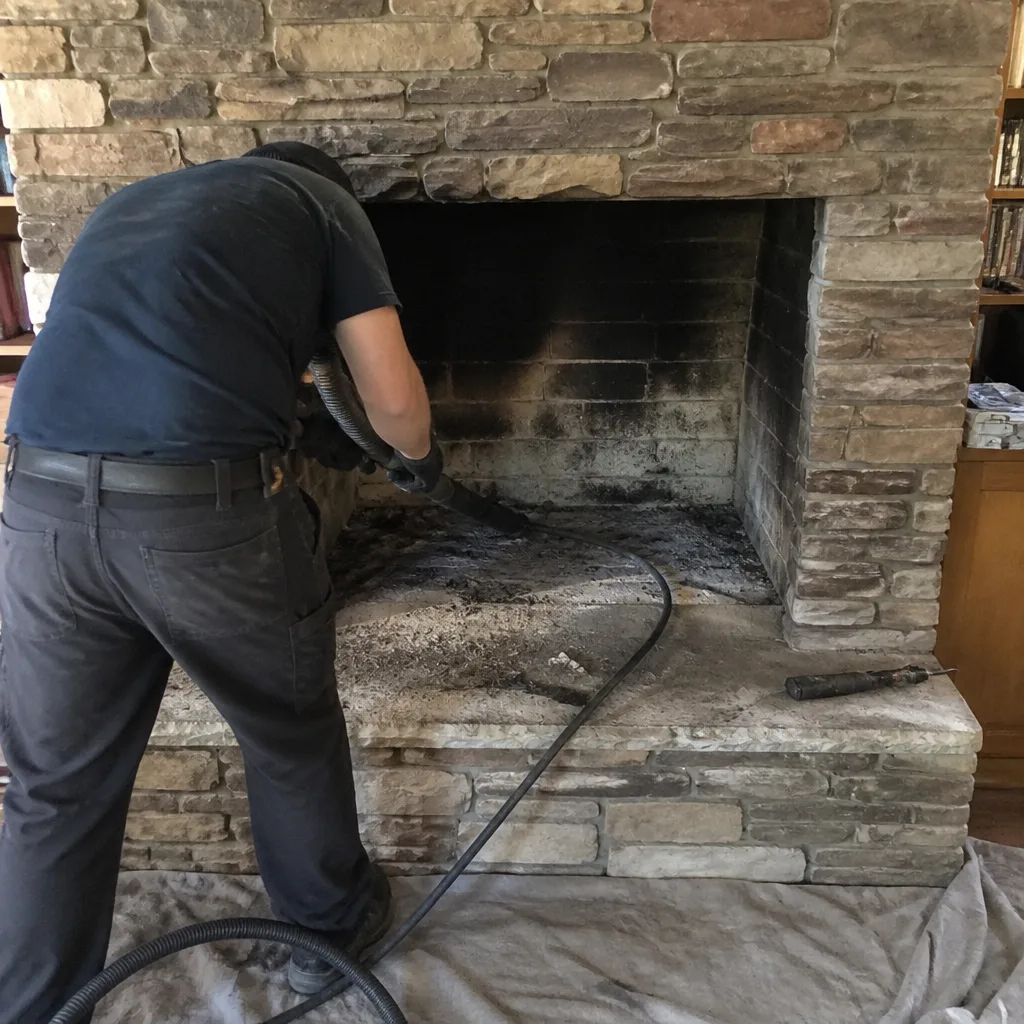 Before
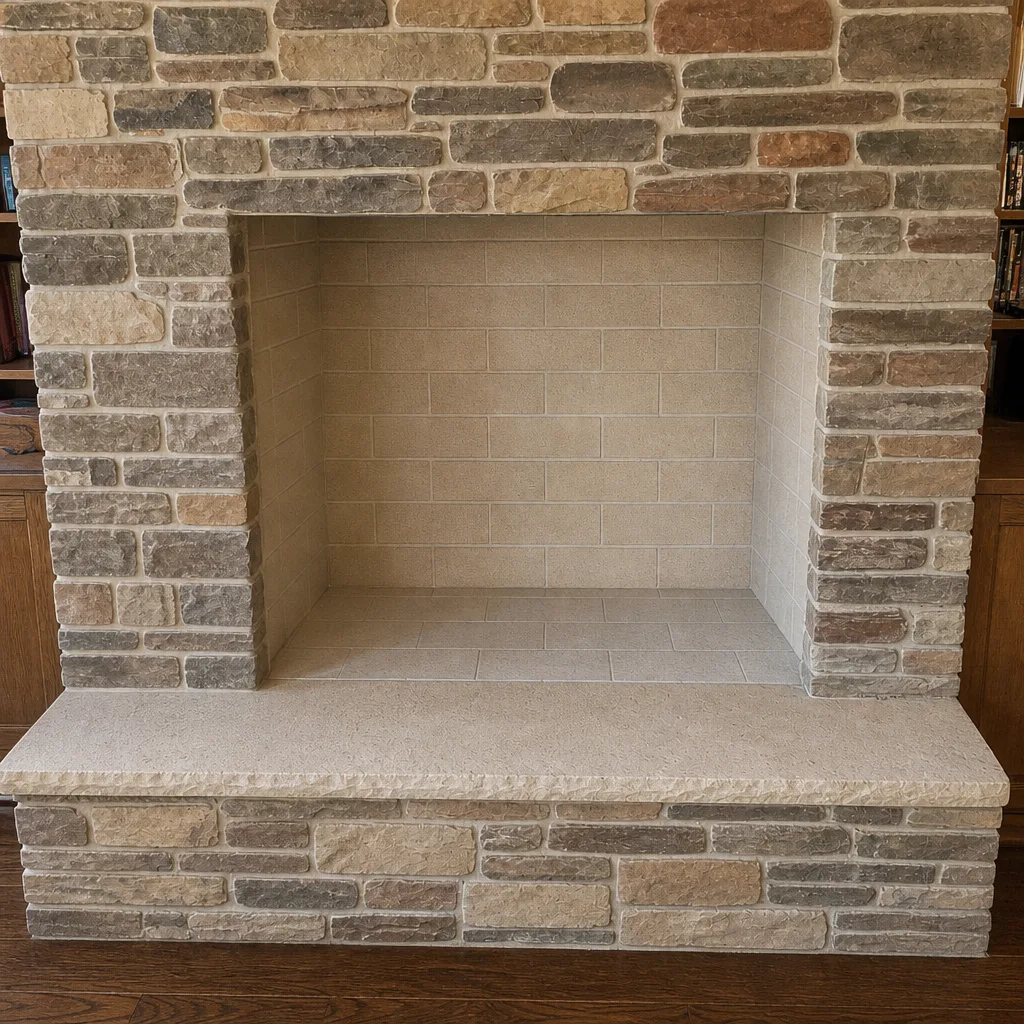 After
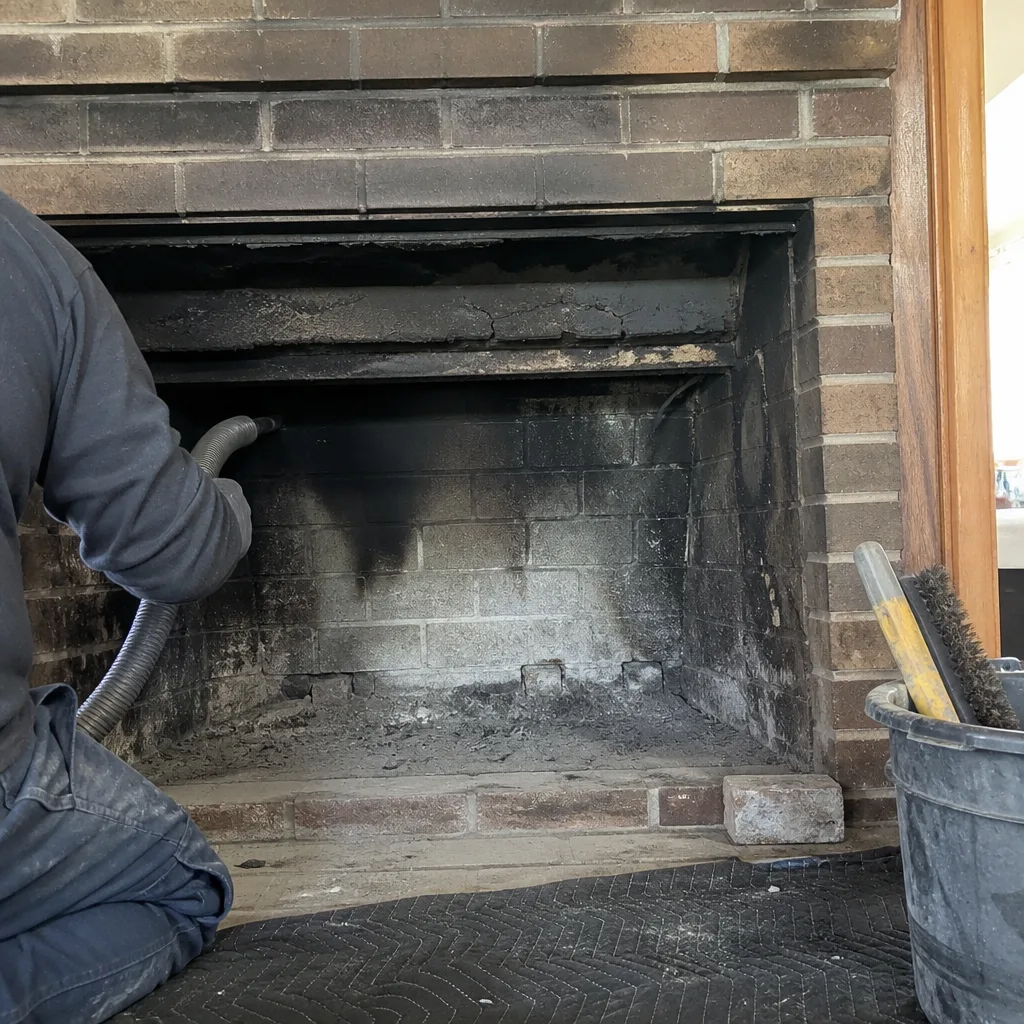 Before
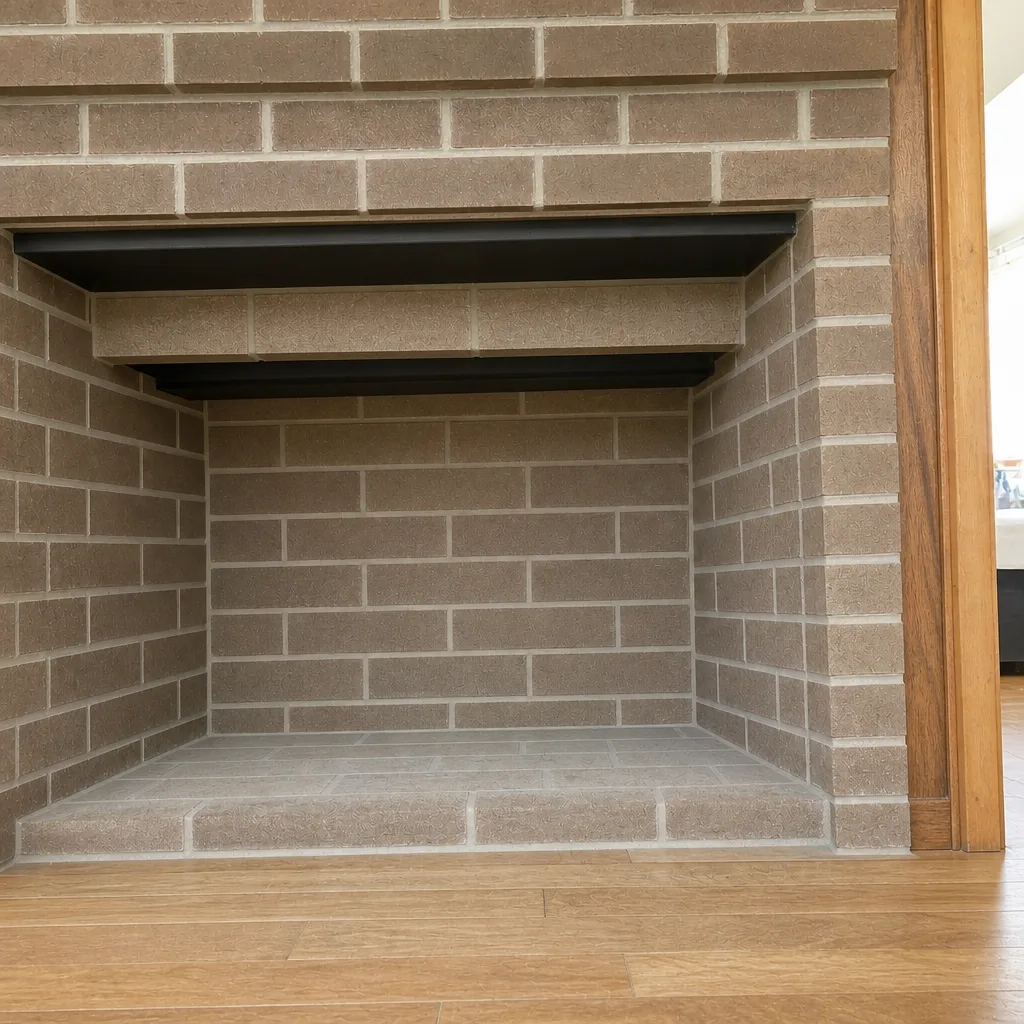 After
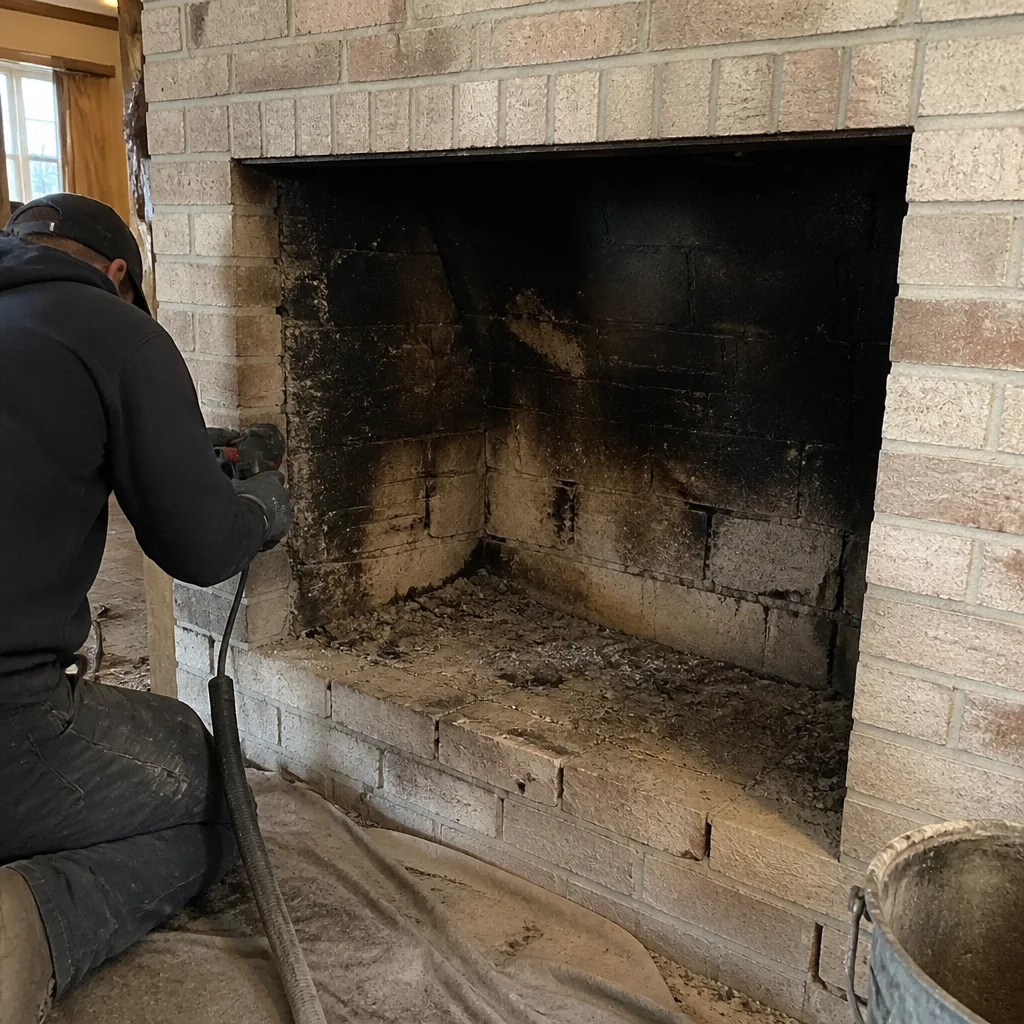 Before
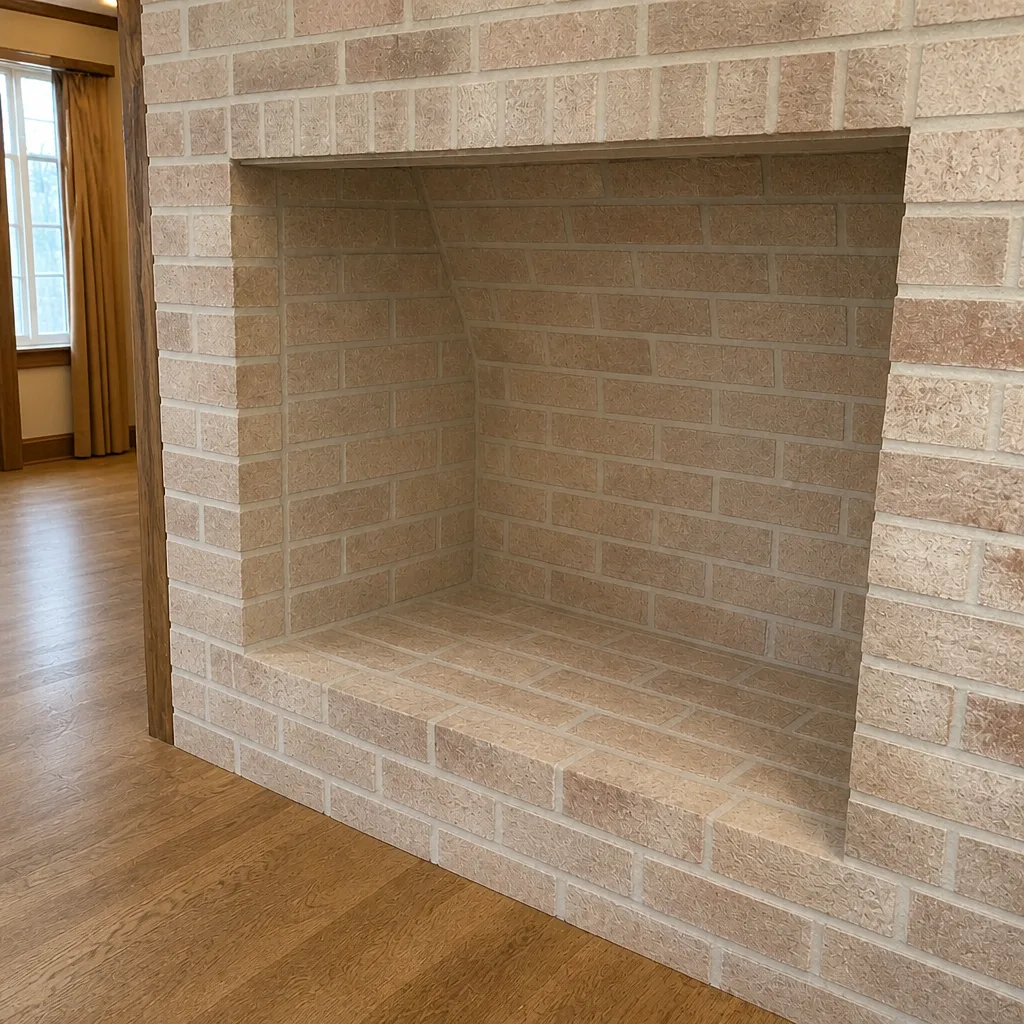 After
When to Call a Professional
Call a chimney specialist if you’ve just bought a Parker home with a fireplace you haven’t had inspected, if you’re seeing creosote buildup you can’t identify, if there’s a crack in the crown or a missing cap, or if the firebox shows any sign of damage. Call before your first fire of the season if you’re unsure when the chimney was last swept, and call any time you smell smoke in the house when the fireplace isn’t lit – that’s a sign of a blocked flue or a failed damper. For a liner, resurfacing, or structural repair, call a specialist, not a general handyman. The materials that do the job properly are trade-only. Parker Chimney Sweep Pros offers free estimates in Parker – call (866) 947-9489. We answer 24/7. Fast dispatch from 7am to 7pm, Sunday through Friday.
Frequently Asked Questions
The names that matter most in Parker are DuraFlex, HeatShield, Gelco, Olympia Chimney, Famco, and Copperfield, each covering a different part of the chimney system. DuraFlex covers flexible stainless liners, HeatShield covers ceramic flue resurfacing, Gelco covers vapor-permeable masonry waterproofing, and Olympia Chimney, Famco, and Copperfield cover caps, crowns, and structural components. A company working with those brands can handle the whole system. Call (866) 947-9489 for an exact quote – estimates are free.
Because they’re sold only through chimney trade distributors, not retail. The products require trained installation and the manufacturer warranty is tied to authorized installers, so the supply chain stays behind the trade. That gatekeeping is actually helpful to homeowners – it means a company that can source these materials has a real trade relationship, which predicts both the quality of the work and the accountability behind it. Call (866) 947-9489 if you want to know what we’d use on your chimney.
Ask three questions: which liner system they install, which ceramic resurfacing product they use for a damaged flue, and which waterproofing sealant they apply to masonry. A specialist answers all three with specific product names and explains what each is for. A generalist answers with “industry standard” or “whatever’s code-approved” because they buy at retail and don’t have trade relationships. The answers tell you everything. Call (866) 947-9489 for an exact quote – estimates are free.
Yes, most noticeably on waterproofing and crown coatings. Parker’s freeze-thaw cycles push moisture into masonry joints, and a surface-film sealant traps that moisture inside, which accelerates spalling instead of preventing it. Vapor-permeable trade-grade products let moisture escape while blocking liquid water. Flexible trade-grade crown coatings also handle the expansion and contraction better than consumer patch compounds. The product choice affects how long the repair lasts. Call (866) 947-9489 to talk through your chimney.
HeatShield is a ceramic resurfacing system that restores a deteriorated flue from the inside without demolition. You’d need it if the flue’s inner surface is spalled or cracked but the chimney structure is still sound. It’s not right for every situation – a flue with structural damage or the wrong size flue needs a full liner instead – so the recommendation has to come from an inspection. We inspect before we recommend, and we show the camera evidence. Call (866) 947-9489 for an exact quote – estimates are free.
You need a new liner only if the existing one can’t safely contain the flue gases and heat – and the way to know is to see the inside of the flue on camera. A specialist will show you what the flue looks like, explain the failure, and describe the repair options including whether a ceramic resurfacing is an alternative to full relining. If the evidence isn’t shown, don’t authorize the work. Call (866) 947-9489 and we’ll walk you through what a real inspection finds.
The Bottom Line
The brands a chimney company uses are the clearest signal of what they can actually do. A generalist with a brush kit buys at retail. A specialist sources through the chimney trade, installs DuraFlex for structural relining, uses HeatShield for ceramic resurfacing, waterproofs with Gelco, and finishes caps and crowns with Olympia Chimney, Famco, and Copperfield. That difference matters more in Parker than in mild climates, because freeze-thaw weather is unforgiving of shortcuts. Ask the liner question, the resurfacing question, and the waterproofing question. The answers will tell you whether you’re hiring a specialist for the whole chimney or a sweep with a brush.
If you want a straight answer about which products belong on your chimney, we’d rather show you than tell you. Parker Chimney Sweep Pros connects Parker homeowners with professional-grade materials sourced through the chimney trade, and we inspect before we recommend. Call (866) 947-9489 for a free estimate. We answer 24/7. Fast dispatch from 7am to 7pm, Sunday through Friday.
Written by the team at Parker Chimney Sweep Pros.