
Last updated November 23, 2026
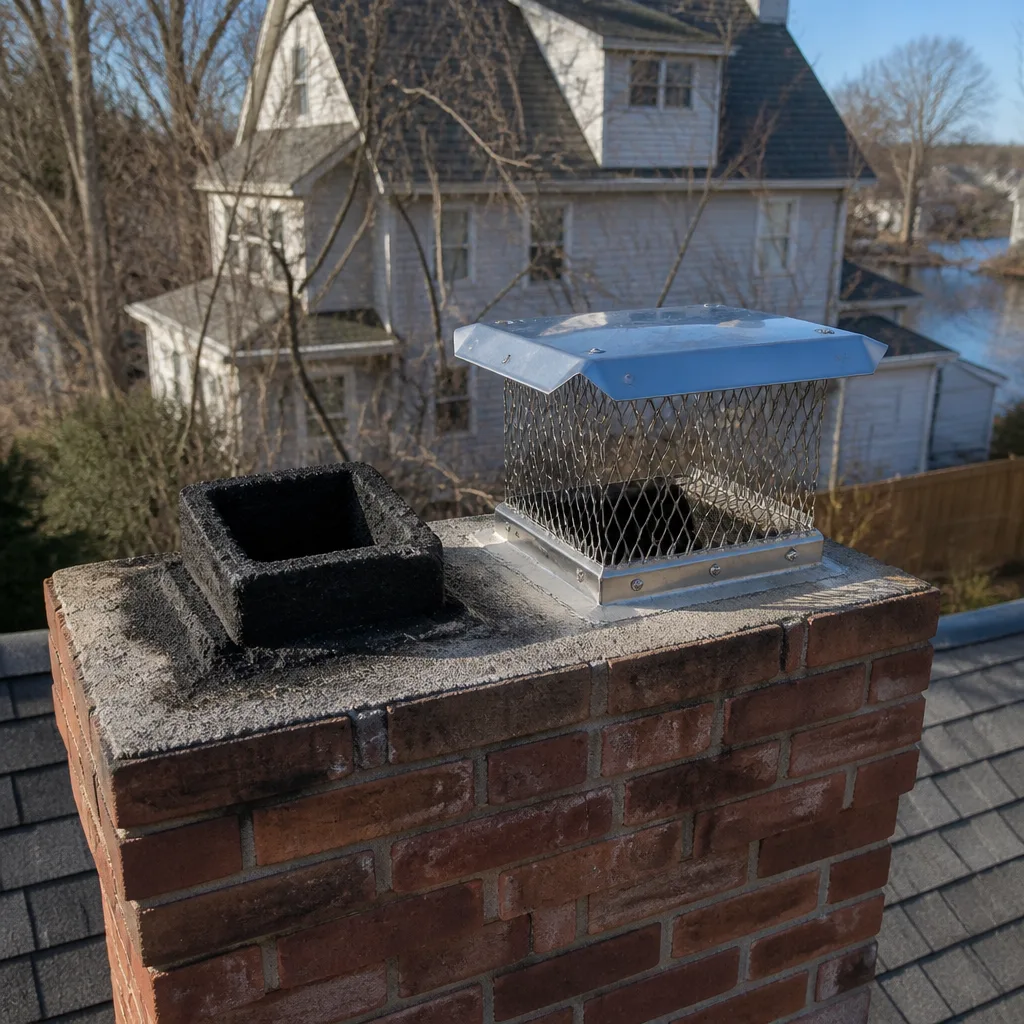 Sweep & inspection
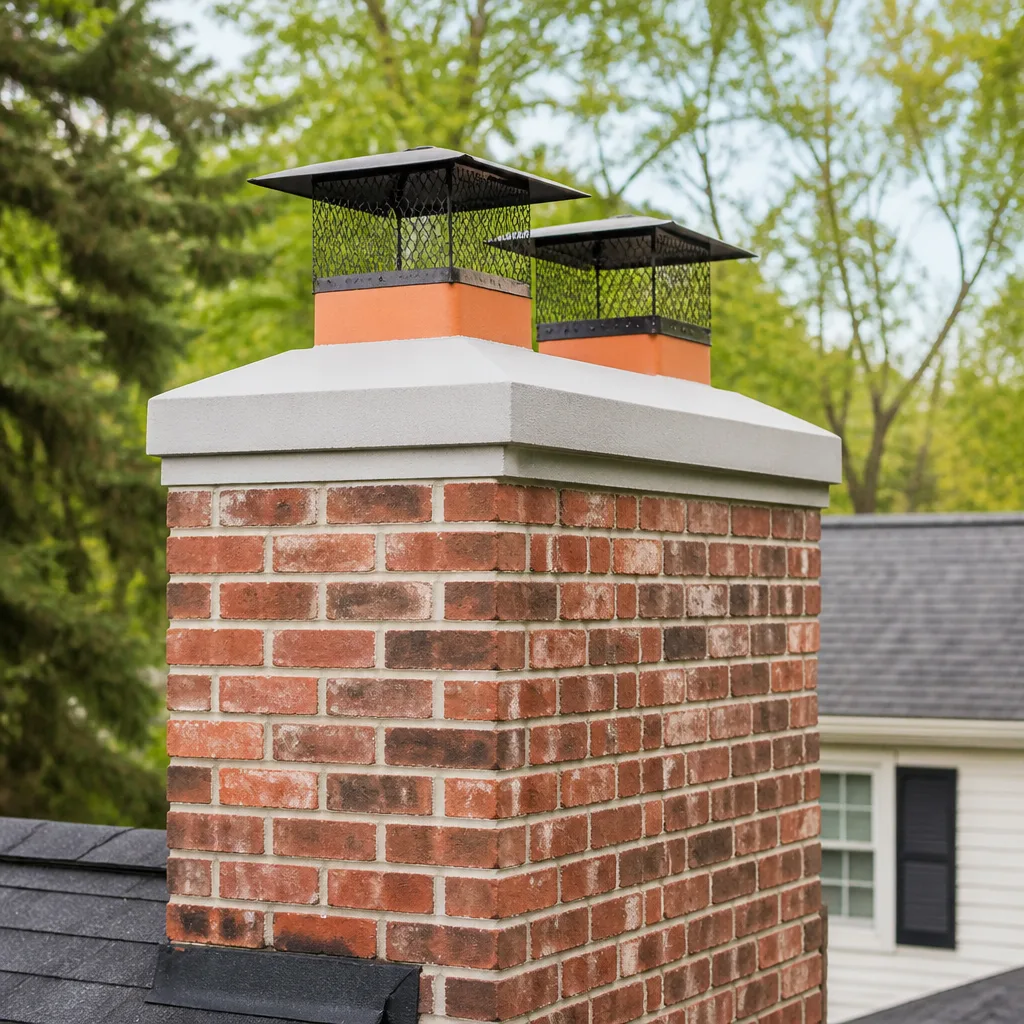 Caps & crowns
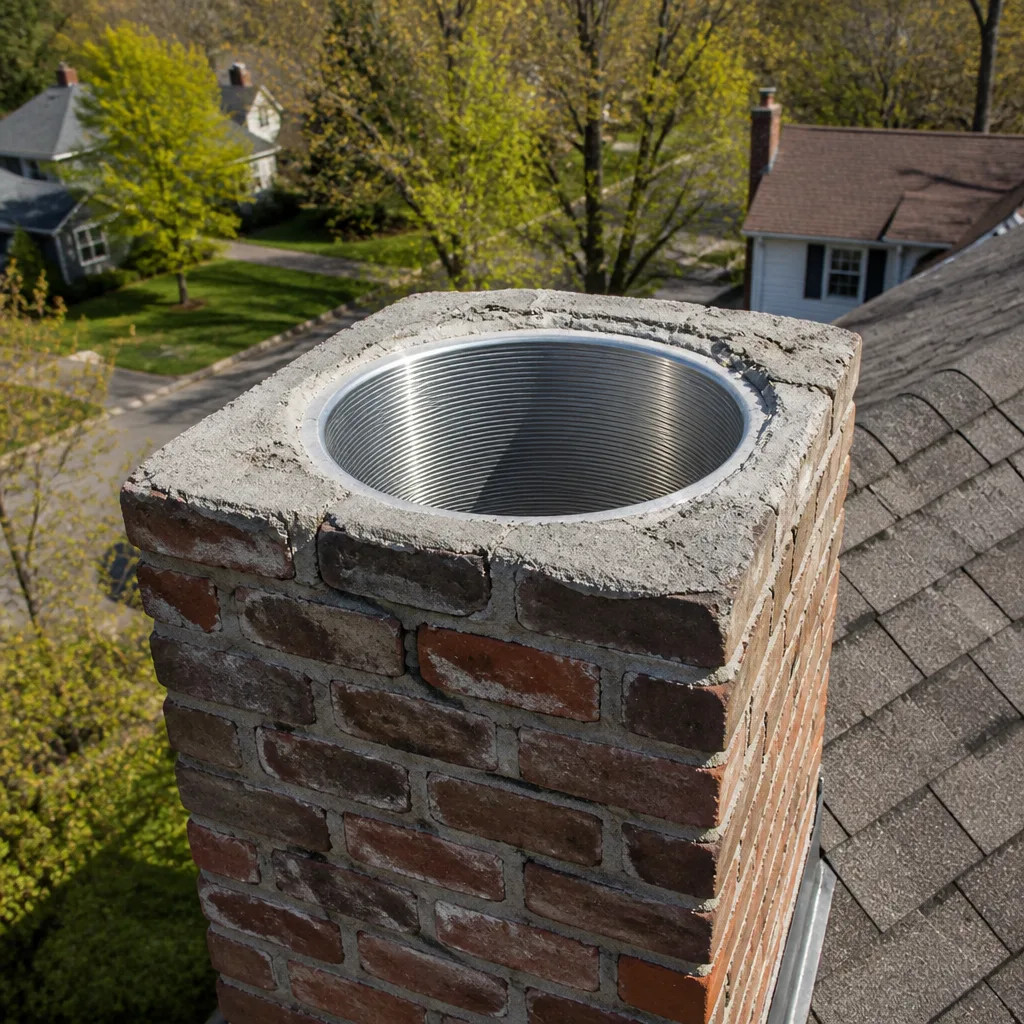 Flue relining
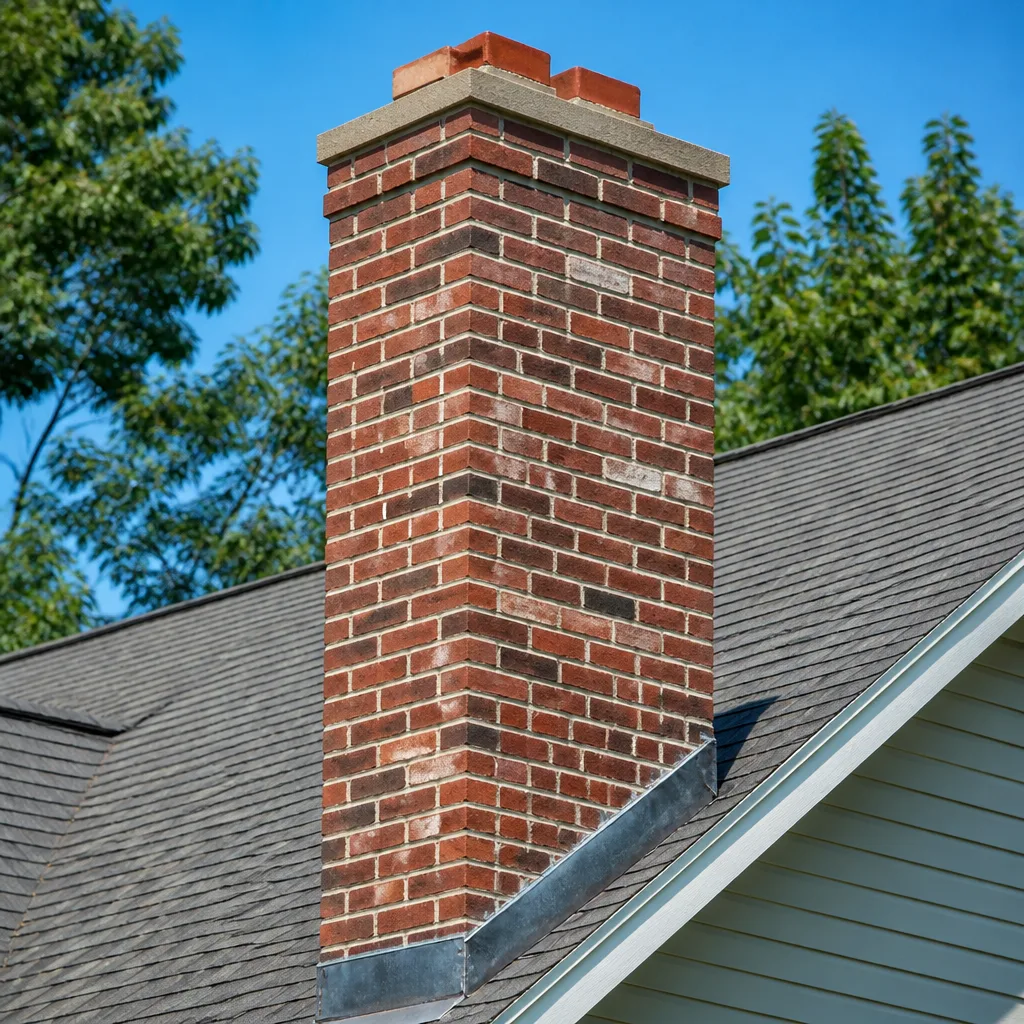 Masonry repair
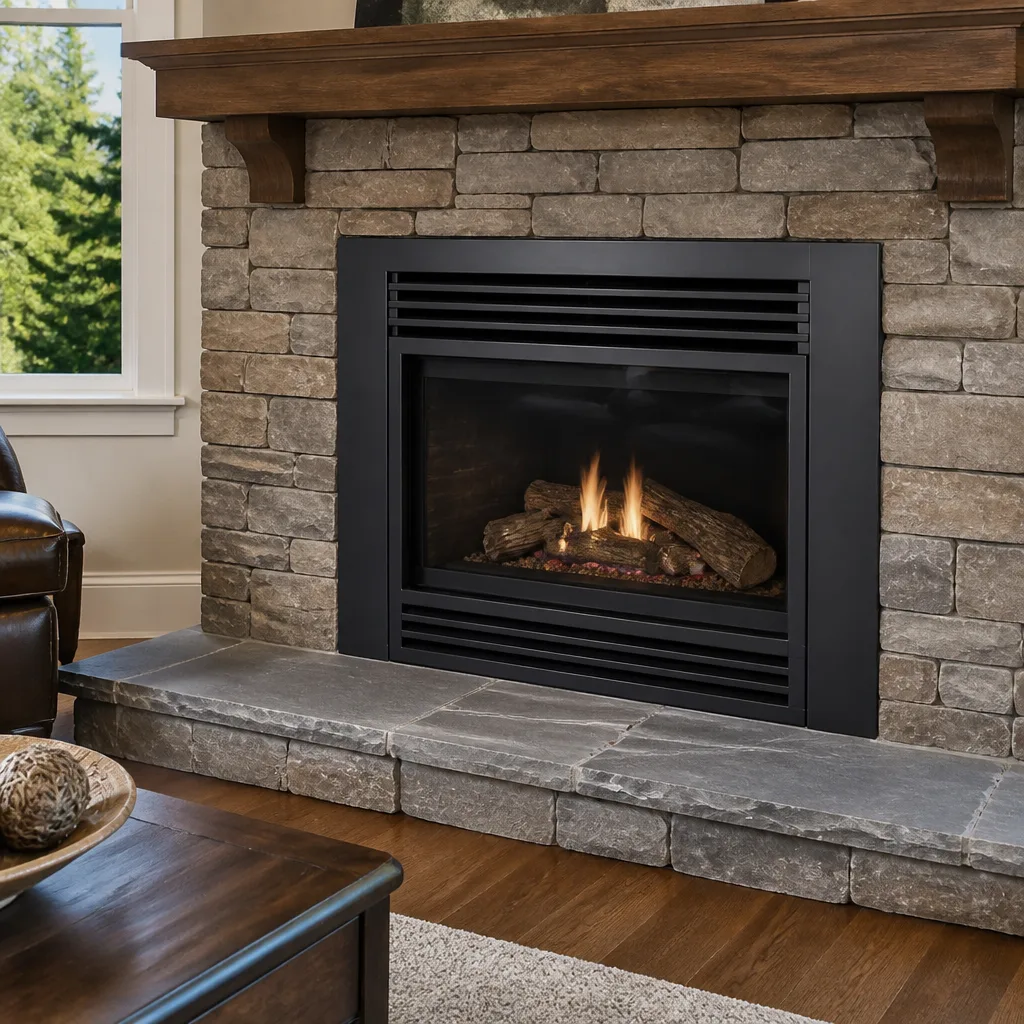 Gas fireplace service
Level 1 sweep and inspection to the NFPA 211 annual standard - flue, crown, cap, and flashing checked and photographed
Chimney sweep logs do not sweep chimneys. They loosen some creosote - which then falls where a brush and vacuum still have to collect it.
Seasonal Chimney Cleaning Care for Parker: Year-Round Homeowner’s Guide
Most homeowners in Parker treat the chimney like a seasonal appliance: sweep it in the fall, forget it until next October. That schedule misses the work that actually saves money. Parker’s climate puts a chimney through four distinct stress phases every year, and three of them happen when the fireplace is cold. Spring thaw drives water into mortar joints. Summer sun bakes the crown and cap. Fall is your only real preparation window before the first burn. Winter tells you, through smoke and draft, whether the other three phases went well. This guide walks through each phase, what to look at, when to schedule it, and how to build a twelve-month calendar tied to Parker’s weather instead of generic national advice.
Quick Answer
Year-round chimney care in Parker means scheduling four things on a calendar, not one. Post-winter inspection and cleaning runs in spring, once freeze-thaw cycles are done. Cap, crown, and waterproofing work happens in summer, when you’re not burning. Fall is for a cleaning, a damper seal check, and a smoke test before the first fire. Winter is for observation: watching smoke, draft, and creosote buildup between burns so you know when the next cleaning interval has arrived. A single annual sweep in October skips three of those phases, and the skipped phases are where the expensive damage lives.
Styles & brands we work with
- Sweep & inspection
- Caps & crowns
- Flue relining
- Masonry repair
- Gas fireplace service
Table of Contents
- Why Chimney Timing in Parker Isn’t a Once-a-Year Decision
- Spring in Parker: Post-Winter Inspection and Moisture Damage
- Summer: The Cap, Crown, and Waterproofing Window
- Fall Preparation: The Sequence That Matters
- Winter Use Monitoring: What to Watch During Burns
- Building a Twelve-Month Parker Chimney Calendar
- How Often Should You Actually Clean?
- What We Inspect Before We Recommend Anything
Why Chimney Timing in Parker Isn’t a Once-a-Year Decision
A chimney is an exterior masonry structure attached to a heated house, and in Parker that structure lives through wide swings between warm days and freezing nights, especially in the spring. Masonry doesn’t fail from one bad storm. It fails from repetition: water gets in, freezes, expands, thaws, and leaves a slightly larger opening for the next round of water. A single fall sweep doesn’t interrupt that cycle because by fall the damage from the previous spring has already set. The chimney had an entire summer to dry out and crack further.
That’s the reason we push Parker homeowners toward a four-phase model instead of one appointment. Each phase has a distinct job, and each one protects the next.
- Spring is diagnostic: find what winter did to the mortar, crown, and joints before summer heat compounds it.
- Summer is preventive: cap, crown, screens, and any liner restoration that needs dry weather and no fire.
- Fall is preparatory: cleaning, damper seal check, and a smoke test before the season starts.
- Winter is observational: what you see during burns tells you whether the previous three phases held.
A hot fire produces creosote whether the chimney is structurally sound or not. If the crown is cracked and the cap is missing, that creosote is being deposited inside a chimney that’s also taking on water. The two problems together are worse than either alone, and neither one announces itself. You find out through an inspection, which is why we say the same thing on every call: we inspect before we recommend. No camera evidence, no recommendation. Parker Chimney Sweep Pros works on the full chimney system across all four phases, not just the fall sweep.
Spring in Parker: Post-Winter Inspection and Moisture Damage
Spring is the single most useful inspection window in Parker. The furnace has been running, the fireplace has likely been used on cold nights, and the chimney has just come through months of freeze-thaw cycling. What you look for in spring is what other homeowners won’t discover until something leaks in August or a flue tile spalls in the middle of next winter.
Two areas deserve specific attention.
The masonry crown
The crown is the concrete cap on top of the chimney that sheds water away from the flue. It’s the most weather-exposed part of the system. In Parker, the freeze-thaw pattern opens hairline cracks that a warm summer day will widen, and once the crown stops shedding water properly, water runs down into the chimney’s interior masonry instead of off the roof. By summer, the crown has had months to degrade. By fall, when the first sweep happens, the crack is old enough that a homeowner interprets the leak as new.
Mortar joints
Mortar is softer than the brick it holds, so it takes on moisture first. Freeze-thaw cycles in spring erode it joint by joint. You don’t necessarily see it from the ground; it shows up on the roof-facing sides of the chimney, often the one facing the worst weather. That’s part of why we recommend an inspection on the masonry itself, not just the flue, in spring. A repointing job on a few joints is straightforward. Rebuilding a chimney face because a decade of freeze-thaw went unnoticed is not.
Spring is also when an unused chimney draws wildlife. Birds and squirrels make nests in flues during the warm months, and a nest built in May is a nest you’ll smell in October. A capped, screened chimney closes that door. If you’re buying a home in Parker this spring and don’t know the chimney’s history, a full inspection before your first fire is the right first step. Skipping it is the one shortcut we never recommend.
Summer: The Cap, Crown, and Waterproofing Window
Summer is the only time of year you can do meaningful chimney exterior work without fighting the fire schedule. No one’s burning, weather is dry enough for masonry repairs to cure properly, and the roof is accessible. In our experience, the work done in June and July is the work that prevents the most expensive repairs. It’s the phase almost nobody schedules, which is why it’s the one worth scheduling first.
Three tasks belong in the summer window.
1. Cap and crown inspection and repair
A chimney cap is a small metal cover that sits over the flue. It does three things: keeps rain out of the flue, keeps animals out, and keeps sparks off the roof. A cap that’s missing, rusted through, or blown loose in a spring storm is the entry point for water and the leading cause of long-term chimney deterioration. Crown repair goes hand in hand – a cracked crown directs water down into the chimney, and the crown itself is easier to patch or replace in dry weather when moisture has a chance to leave the masonry first. We install and repair caps and crowns using professional-grade components from brands like Copperfield and Olympia Chimney, because cheap caps fail in a couple of seasons and force the job twice.
2. Waterproofing application
A vapor-permeable masonry waterproofer applied to exterior brick and mortar slows water absorption without trapping moisture inside. The window matters: you want masonry that’s had time to dry out, which in Parker means summer rather than late fall. Waterproofing applied over wet masonry seals the moisture in. We don’t apply it until we’ve inspected and confirmed the masonry has dried properly. If a chimney needs repointing first, that goes ahead of waterproofing on the schedule.
3. Wildlife screening
Chimney caps with proper mesh screening are the practical way to keep birds, squirrels, and any other small wildlife out of an unused summer flue. A flue with no screen is a nesting cavity. All it takes is one warm month.
Summer also gives you the option of non-demolition liner work if a spring inspection found a damaged flue. HeatShield ceramic resurfacing can restore an ailing liner without tearing out the original clay tiles, and DuraFlex flexible liners handle the structural relining jobs that call for a new liner. Both need dry, fire-free conditions, which is another reason the summer window is the right one.
Fall Preparation: The Sequence That Matters
Fall is when most Parker homeowners think about the chimney, and it’s still the most important prep window before active use. But the order matters. Cleaning too early, before the season, leaves you sweeping creosote that hasn’t accumulated yet. Cleaning too late means the first cold snap comes and you’re burning a chimney that hasn’t been verified. The right fall sequence looks like this:
- Schedule the cleaning for late September or early October. That’s after summer work is done and before most homeowners in Parker light the first fire. It’s also before the fall rush, so the appointment actually happens when you want it to.
- Get a full inspection at the same visit. Cleaning shows you the flue. Inspection shows you what’s around the flue: liner condition, damper, cap, crown, and any sign of moisture or animal activity left from summer. If we haven’t looked with a camera, we don’t recommend repairs.
- Check the damper seal. A damper that doesn’t close fully wastes heat up the chimney all winter and pulls conditioned air out of your home. It also lets cold air in when the fireplace isn’t in use. If the damper is sticking, warped, or missing its seal, a fireplace repair visit before the season restores it properly.
- Run a smoke test before your first real fire. Light a small, cool fire with the damper open and watch where the smoke goes. Smoke that rolls back into the room, or drafts that feel weak, indicate a blocked flue, a damper problem, or a negative-pressure issue in the house. A smoke test is a five-minute check that catches something a sweep alone won’t.
- Stock the right wood. Seasoned, dry firewood burns cleaner and produces less creosote than wet wood. In Parker’s dry climate, split wood seasons reasonably well, but only if it was split and stacked with air to move through. Piles covered with a tarp in September and burned in October are still wet inside.
If anything in step two or four turns up a structural concern, fall is still a reasonable time to address it before cold weather. If it’s a full liner replacement, it may be better to schedule that for the spring when the chimney is cold and dry. We’ll say plainly which jobs can safely wait and which shouldn’t.
Winter Use Monitoring: What to Watch During Burns
Winter is the one phase where you, the homeowner, are the inspector until we’re back out. The things you observe during active burns tell you whether a cleaning interval has been reached and whether the chimney is behaving the way a healthy one should. None of these are replacements for a professional inspection, but they tell you when to call.
- Smoke entering the room instead of going up. A small puff when you first light is normal. Steady smoke rolling into the room is a draft problem, an obstruction, or a damper that isn’t opening fully. Stop burning and get it checked.
- A smell of creosote or a strong smoky odor even when the fire is out. Creosote has a distinct smell. If the fireplace smells like it’s been burning when it hasn’t been, that’s often a build-up signal.
- Visible creosote at the top of the firebox. Glossy, tar-like deposits are the dangerous kind. Flaky, sooty deposit is the ordinary kind. Either one means it’s time to look at the cleaning interval.
- Slow or lazy draft compared to previous seasons. If the fireplace used to draw well and doesn’t now, something changed. That could be a partial obstruction, a cap problem, or a change in the house’s air balance.
- Any water staining on the chimney breast or ceiling near the chimney. Water inside the chimney in winter is worse than in summer because it freezes. That’s a call now, not a call in spring.
A wood-burning appliance in active use can build creosote faster than a homeowner expects. How fast depends on the wood, the fire temperature, how often you burn, and whether the chimney is insulated. If you’ve been burning damp wood or routinely smoldering fires to stretch a load overnight, your interval is shorter. Between professional appointments, that’s the observation that matters most. If you notice any of the signals above, book a chimney sweep before the buildup has another chance to accumulate.
Building a Twelve-Month Parker Chimney Calendar
Here’s a working calendar built around Parker’s climate. It’s not a rigid schedule; a household that burns most nights will need more cleaning and a household that burns a few times a month will need less. But the seasons this calendar assigns to each task reflect when the work is actually effective.
- March – April: post-winter inspection and cleaning. Book this while the memory of the last fire is fresh. The inspection catches what freeze-thaw did to the mortar and crown. Cleaning removes the season’s creosote and gives the chimney a clean baseline going into summer.
- May – June: exterior work window. Caps, crowns, waterproofing, wildlife screening. If the spring inspection flagged a liner issue, this is also the ideal window for HeatShield ceramic resurfacing or a DuraFlex flexible liner install, because the weather cooperates and no one is burning.
- July – August: dry-out and confirm. Waterproofing cures, masonry dries out from any earlier moisture issues. If spring found a repointing job, it happens here so the chimney sits tight before fall.
- September – October: fall cleaning and prep. The full sequence: cleaning, inspection, damper check, smoke test. Do this before the first cold snap, not after.
- November – February: use and monitor. Watch draft, watch smoke, watch for smell. Call if anything changes. Schedule cleaning again in spring based on how heavily you burned.
- Ongoing: cap condition check. Look at the cap from the ground occasionally. If it looks rusted or bent, it’s failing, and the cost of replacing a cap is small next to the chimney repairs it prevents.
The point of the calendar isn’t more appointments for the sake of it. It’s that each phase has one specific job, and doing each at the right time actually prevents the next phase’s damage. That’s the whole thesis behind our positioning as a specialist: we handle cap and crown, chimney repair, fireplace repair, sweep, and inspection together, so the whole schedule is handled by one specialist instead of four different contractors with four different opinions.
How Often Should You Actually Clean?
There’s no single number that fits every Parker household, and any sweep company that quotes you one is giving you a slogan, not a schedule. The honest answer depends on four variables:
- How often you burn. Fires per month, and how long each one runs.
- What you burn. Seasoned hardwood vs. damp wood vs. manufactured logs.
- How hot you burn. A hot, well-drafted fire produces less creosote than a smoldering one.
- What kind of chimney you have. An unlined flue and an insulated liner build up at different rates.
As a general starting point, a household that burns well-seasoned wood on a normal schedule should look at a cleaning roughly annually. A household that burns almost nightly, or that regularly runs smoldering overnight fires, should look at it more often. But the observation phase (winter, above) is what tells you when you’ve hit the interval, and a professional inspection confirms it. If we haven’t looked inside, we can’t tell you the number. It’s not a sales position. It’s the reason the camera inspection is included in the visit instead of sold as an add-on.
The one rule that always applies: if any chimney fire has occurred, even a small one, get an inspection before the next use. Small chimney fires are often silent, hard to notice, and easy to dismiss afterward. They’re exactly the kind that damage a liner without the homeowner knowing. If the sweep, inspection, cleaning, or a repair visit turns up structural damage beyond the liner, we handle the chimney repair side too. Trying to clean a failing chimney is the wrong sequence; the repair comes first.
What We Inspect Before We Recommend Anything
The single biggest hesitation homeowners bring to a chimney appointment is being told they need thousands of dollars of liner or masonry work they have no way to verify. That hesitation is reasonable. We answer it directly: we show you what we saw. The inspection includes camera views of the flue, photos of the cap, crown, joints, and damper, and a written summary of condition with clear recommendations. If the chimney is fine, we say so. If work is needed but can safely wait until spring, we say that too.
Our technicians have up to 14 years of experience, and the tools and materials we use reflect the areas we specialize in. Professional-grade chimney materials from brands like DuraFlex, HeatShield, Gelco, Olympia Chimney, Famco, and Copperfield are what we source from, because generic hardware-store substitutes tend to fail inside the lifespan of a proper job. Those brands let us handle the full range: an annual sweep, a cleaning with a camera inspection, a cap replacement, crown repair, non-demolition HeatShield ceramic liner restoration, or a DuraFlex flexible liner on a chimney that needs structural relining.
What we don’t do is tell you a schedule. What we do is inspect first, then recommend, then explain both the recommendation and the parts of the chimney that are fine. That’s the thing we get asked to do most often: explain why the chimney is fine, and why an upsell isn’t necessary. It’s the same reason our estimates are flat-price and agreed before the sweep is booked. You know the price before we start, and nothing gets added because we found a problem inside.
Common Mistakes to Avoid
- Skipping the spring inspection. Most Parker homeowners only think about the chimney in fall. The freeze-thaw damage you find in spring is the damage that becomes a full repair by the following summer. Missing the spring window is the single biggest scheduling mistake we see.
- Treating the cap as optional. A missing or damaged cap is the primary entry point for water, wildlife, and sparks. It’s also the cheapest repair on the chimney. Homeowners skip it because it seems small, and end up with masonry damage that’s 10 times the cost of a cap replacement.
- Burning wet wood. Wood that isn’t sufficiently seasoned burns cooler and deposits more creosote. A fire that smolders overnight on damp wood is the fastest way to shorten the cleaning interval. The chimney has to be swept sooner, and the firebox shows more buildup.
- Cleaning without inspecting. A sweep alone tells you the flue is clean. It doesn’t tell you whether the liner is cracked, whether wildlife got in, or whether a joint has opened. A professional sweep pairs the cleaning with an inspection; a cleaning alone is half a job.
- Self-diagnosing a draft problem. A weak draft can be a blocked flue, a damaged cap, negative pressure in the house, or a barometric issue. Lighting a hotter fire won’t tell you which. A smoke test and a camera inspection do.
- Ignoring a small chimney fire. Small chimney fires are frequently unnoticed by homeowners. If you suspect one happened, get an inspection before you burn again. The liner may be damaged in ways you can’t see from the firebox.
- Waterproofing over wet masonry. Waterproofing applied in late fall to masonry that hasn’t dried out seals moisture in. The work is only as effective as the timing. Do it in summer, on dry masonry, after any repointing is finished.
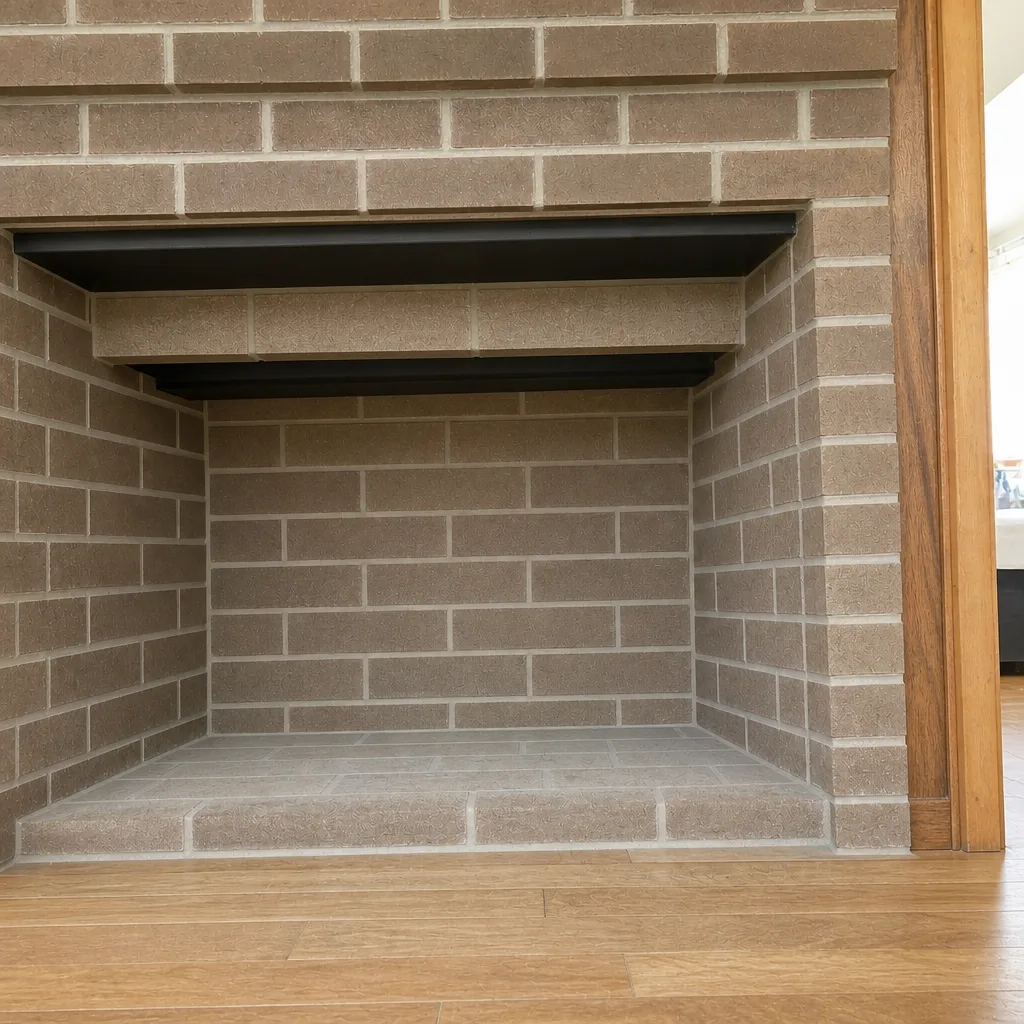
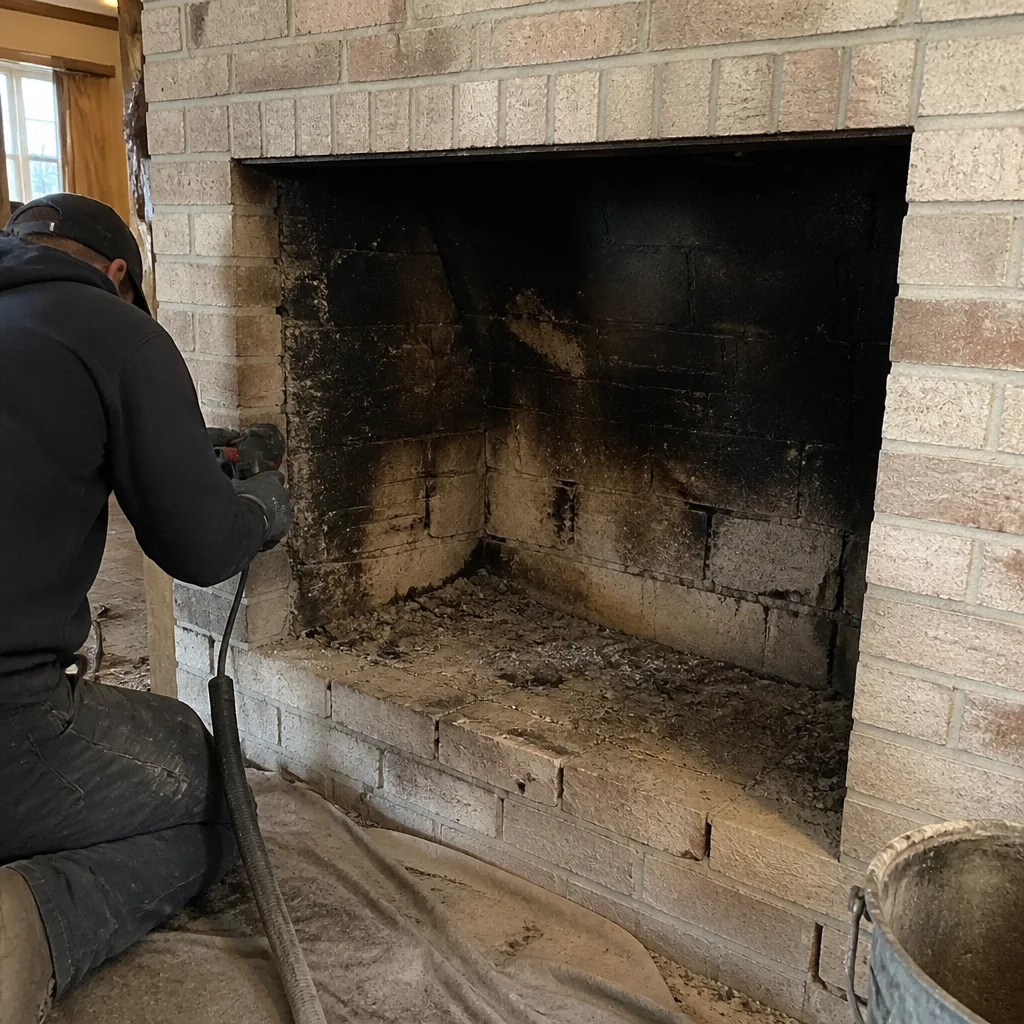
See the difference
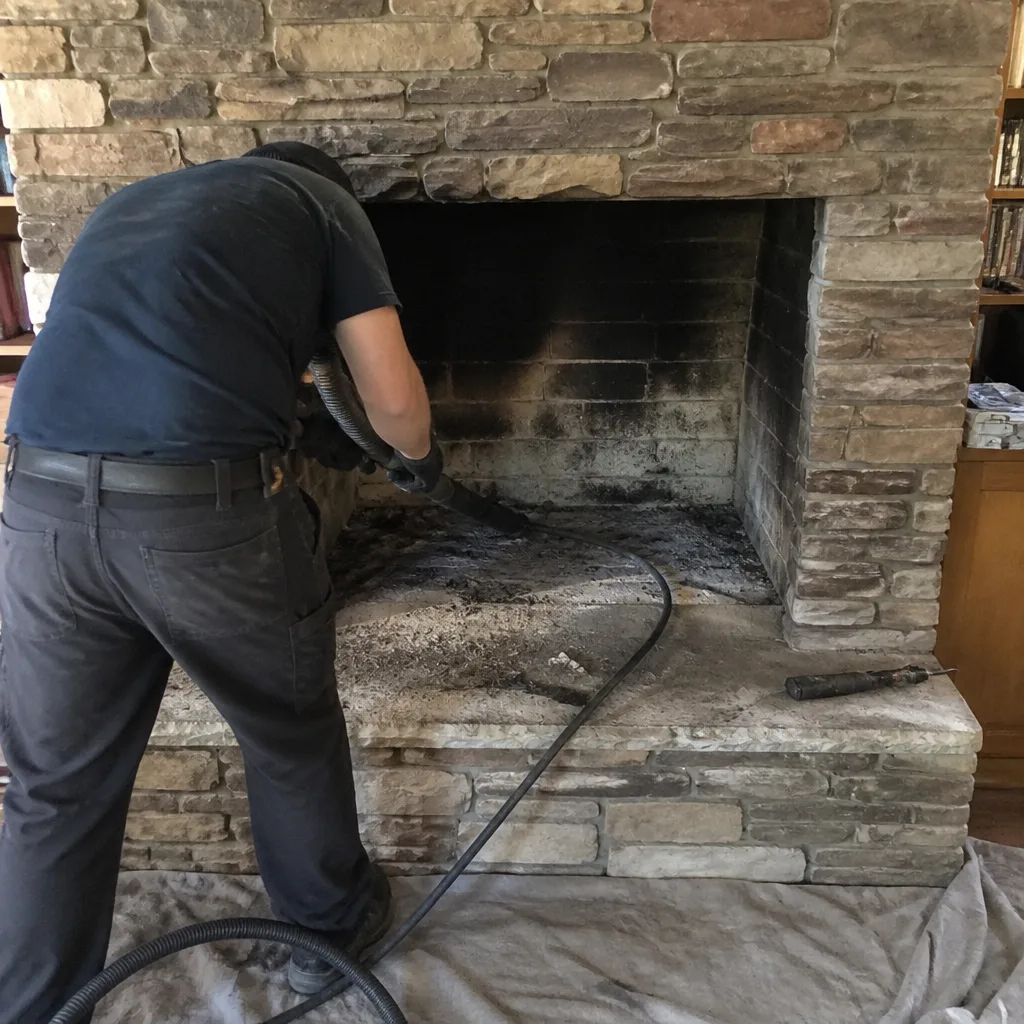 Before
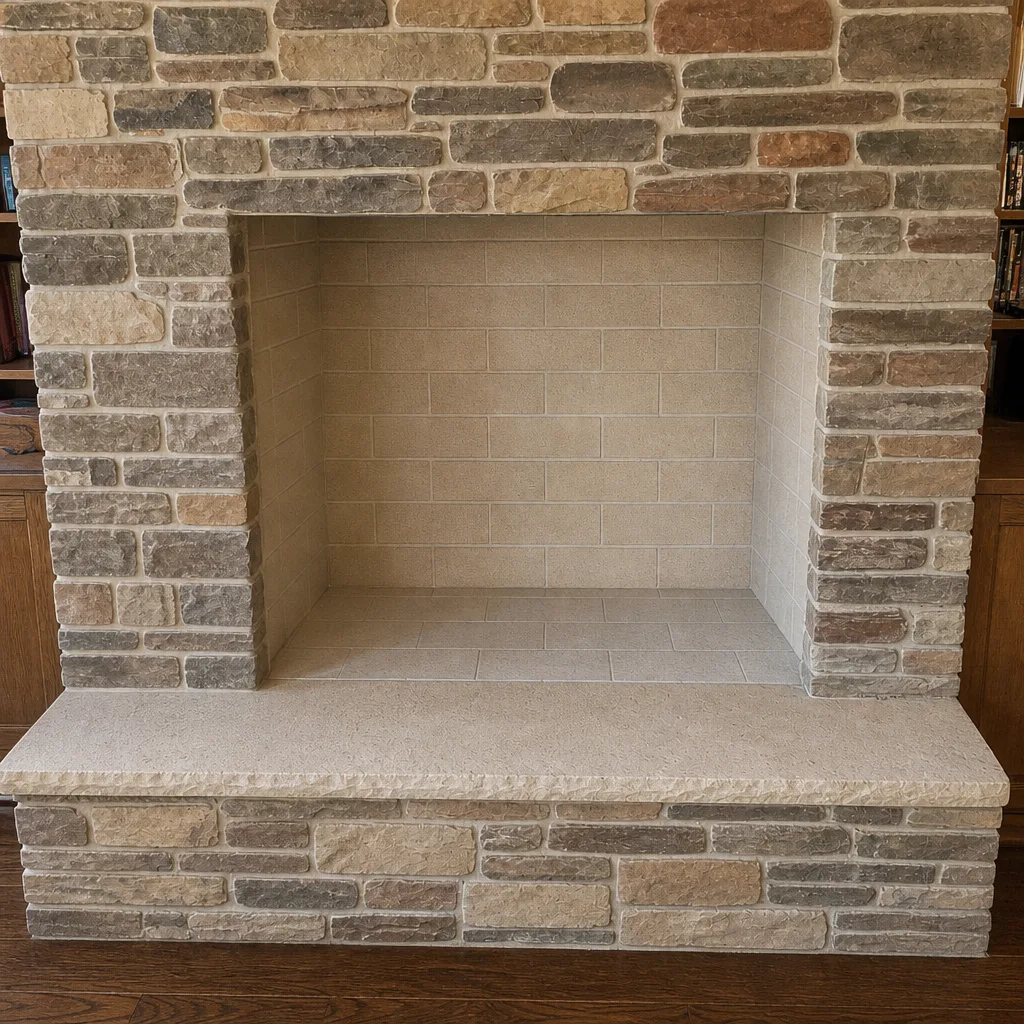 After
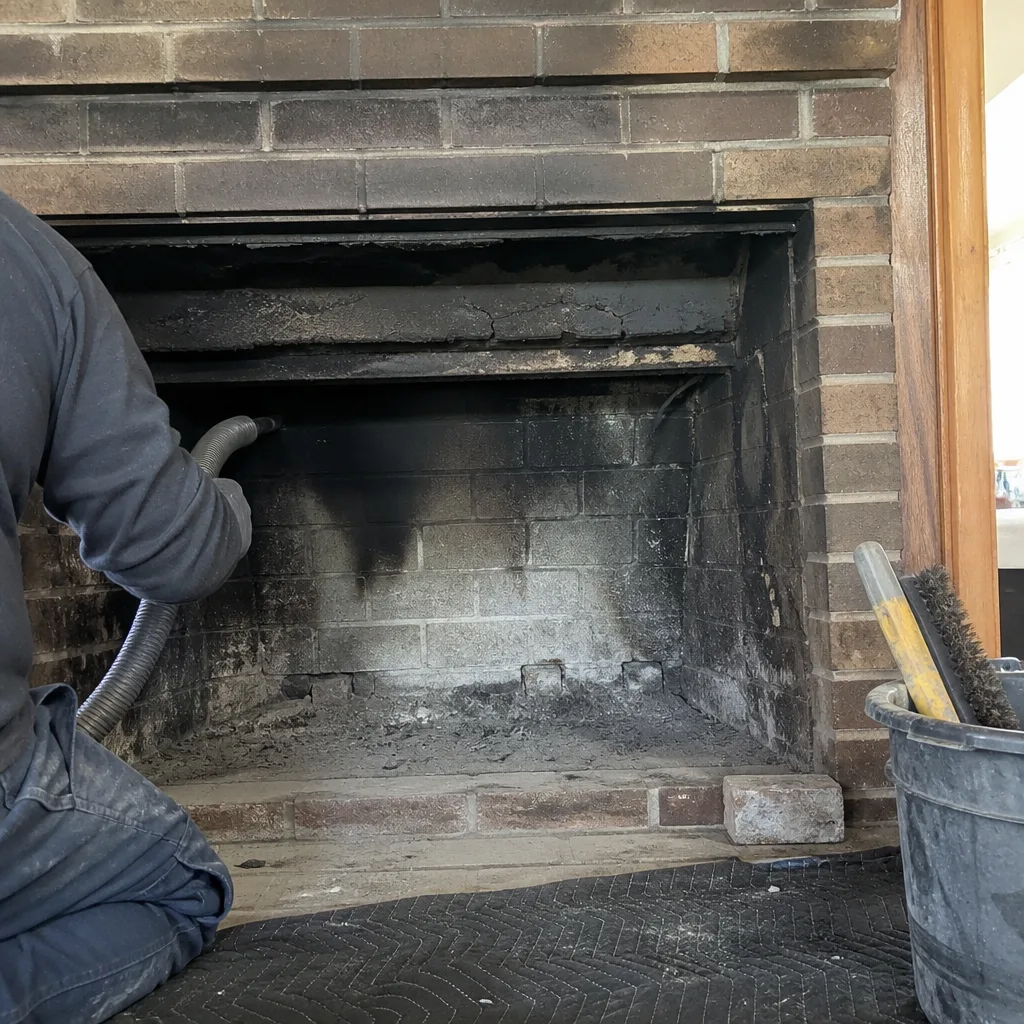 Before
 After
 Before
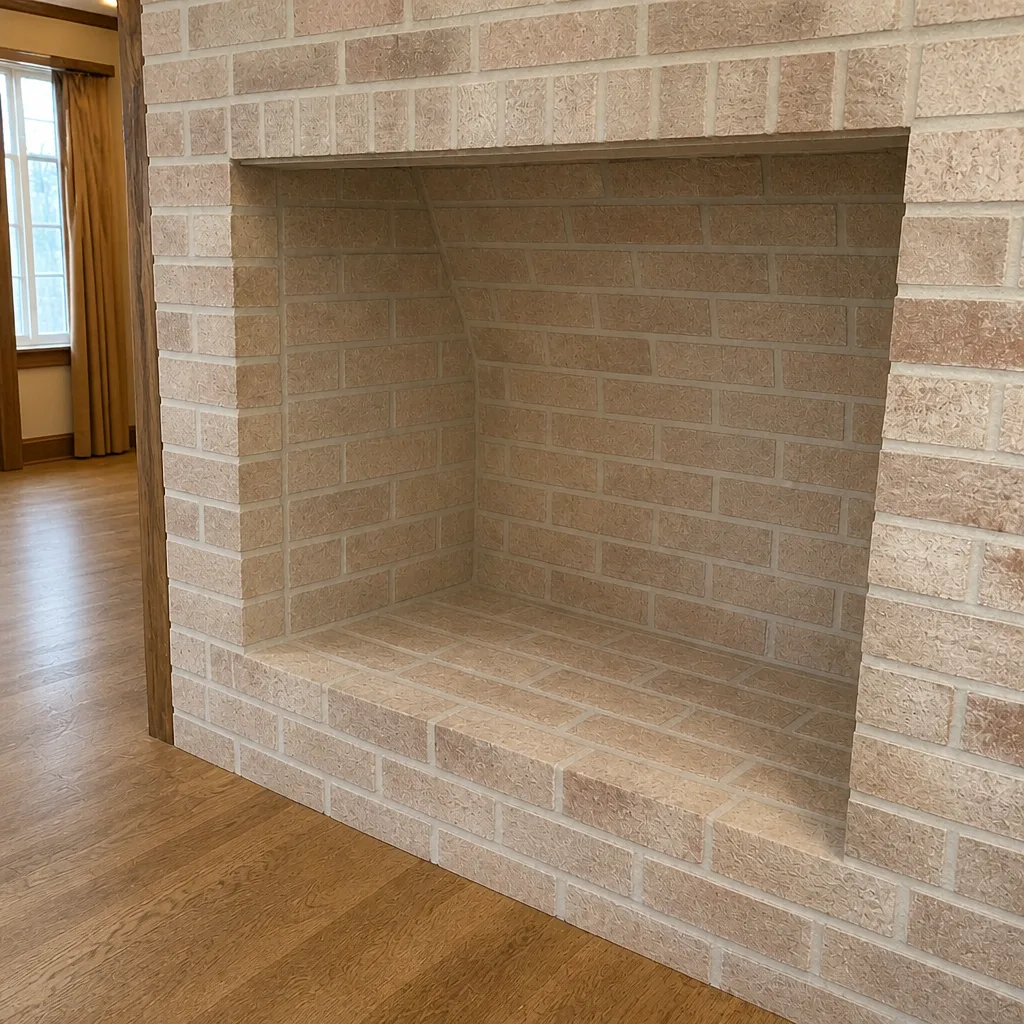 After
When to Call a Professional
Some chimney issues are worth a scheduled appointment; others are worth calling about today. Call us when smoke rolls into the room instead of going up, when you smell creosote even when the fireplace is cold, when you see water stains near the chimney, or when you’ve just moved into a Parker home and don’t know the chimney’s condition. Also call if the cap is visibly bent or missing, if wildlife has been seen around the chimney, or if you’re not sure of the last time the chimney was swept. Any item on that list gets an inspection. From there, we tell you what’s fine, what needs work, and what can wait until the season changes. We answer 24/7. Fast dispatch from 7am to 7pm.
Parker Chimney Sweep Pros offers free estimates in Parker. Call (866) 947-9489 to book a sweep, an inspection, or a repair visit. Estimates are free, price is agreed in writing before the sweep is booked, and any recommendation comes with camera evidence you can look at yourself.
Frequently Asked Questions
It depends on the chimney and the work involved, so we set a flat price per job with a written estimate agreed before the sweep is booked. Because the chimney’s condition and access affect the price, we can’t quote a number without seeing the setup. Call (866) 947-9489 for an exact quote. Estimates are free.
Only if the inspection actually shows the liner is damaged, and only after we’ve seen it on camera. A cracked flue tile, gaps between tiles, or missing tiles are all conditions that require relining. A sound liner, even an older one, doesn’t need replacing just because the chimney has age on it. Two options exist when relining is needed: HeatShield ceramic resurfacing, which restores the liner without demolition, and DuraFlex flexible liner installation for structural relining. We’ll tell you which one fits and why.
For most households burning seasoned wood regularly, once a year is the practical starting point, but the actual interval depends on how often you burn, what you burn, and how hot your fires run. A household that burns nightly or smolders overnight fires should be cleaned more often. The right way to set the interval is an inspection. Call (866) 947-9489 for an exact quote and scheduling. Estimates are free.
Creosote builds up inside the flue and can ignite, which is a chimney fire. It can also restrict draft, allowing smoke and carbon monoxide back into the house. Structural damage from moisture accelerates as cracks in the crown and mortar let water in. Even a single skipped year can mean a more involved sweep and inspection the next time, but the safety risk is why skipping more than that isn’t worth the savings.
Spring is actually the better window for inspection and cleaning, because the freeze-thaw damage is fresh and easy to catch before it compounds into summer. Fall remains the right time for preparation before active use. We book work in all four seasons. Call (866) 947-9489 for an exact quote. Estimates are free.
Yes, and it’s the maintenance that protects the rest of the chimney. The cap keeps water, animals, and sparks out of the flue; the crown sheds water away from the masonry. These are exterior components exposed to every season in Parker. A cap that fails is one of the leading causes of water damage inside the chimney, and the cost of repair is small compared to fixing the chimney it protects.
The Bottom Line
The best chimney care in Parker happens across four phases, not one. Spring’s inspection and cleaning catch freeze-thaw damage early. Summer’s cap, crown, and waterproofing work prevents the water damage that starts the cycle. Fall’s cleaning, damper check, and smoke test get you from last fire to first fire safely. Winter’s observation tells you when to call. A single October sweep is better than nothing, but it skips the three phases where the expensive repairs actually get prevented. Build the calendar, book the spring inspection as your anchor appointment, and use the winter signals as your trigger for the next cleaning. If you’re not sure of your chimney’s current condition, the first step is a camera inspection. We inspect before we recommend anything.
Ready to schedule your spring inspection, a summer cap and crown visit, or a fall cleaning? Call Parker Chimney Sweep Pros at (866) 947-9489. We answer 24/7. Fast dispatch from 7am to 7pm, Sunday through Friday. Estimates are free, and the price is set per job by the written estimate before we begin.
Written by the team at Parker Chimney Sweep Pros.