
Last updated November 23, 2026
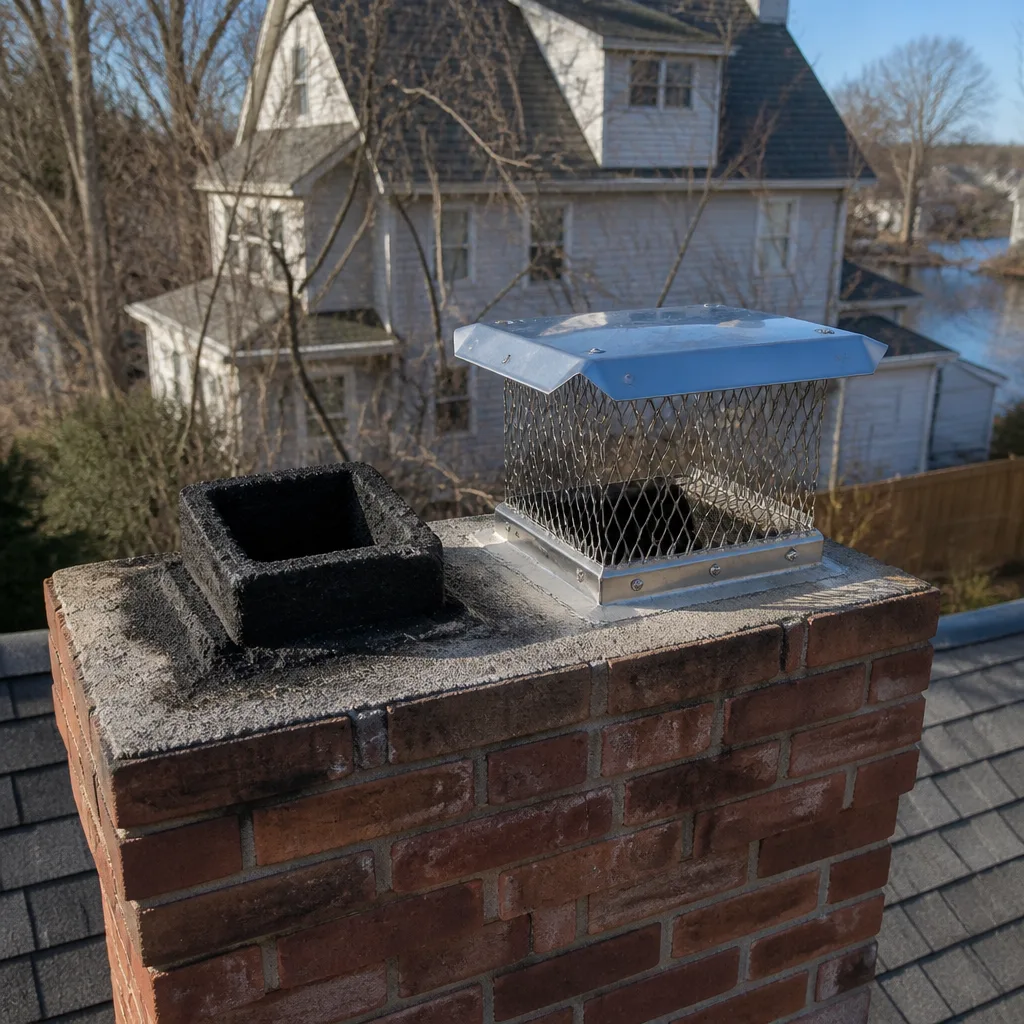 Sweep & inspection
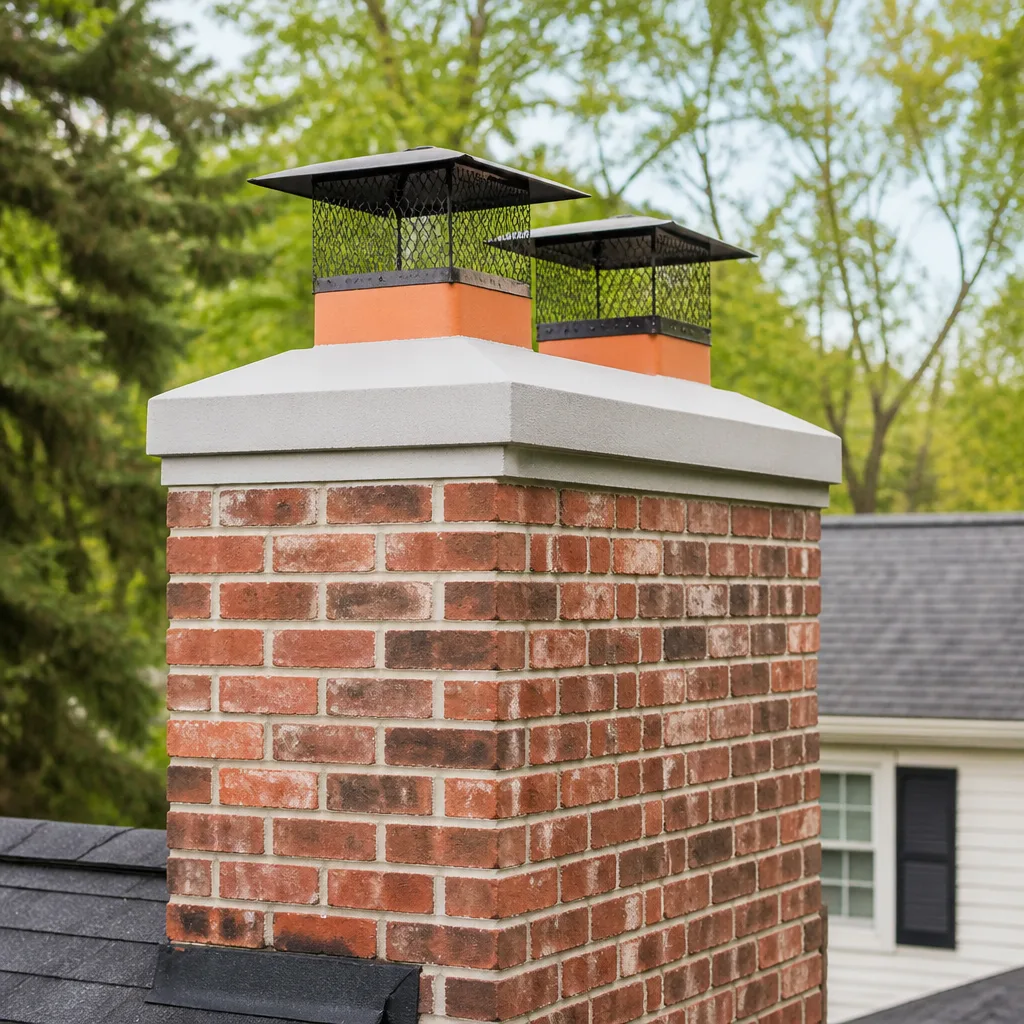 Caps & crowns
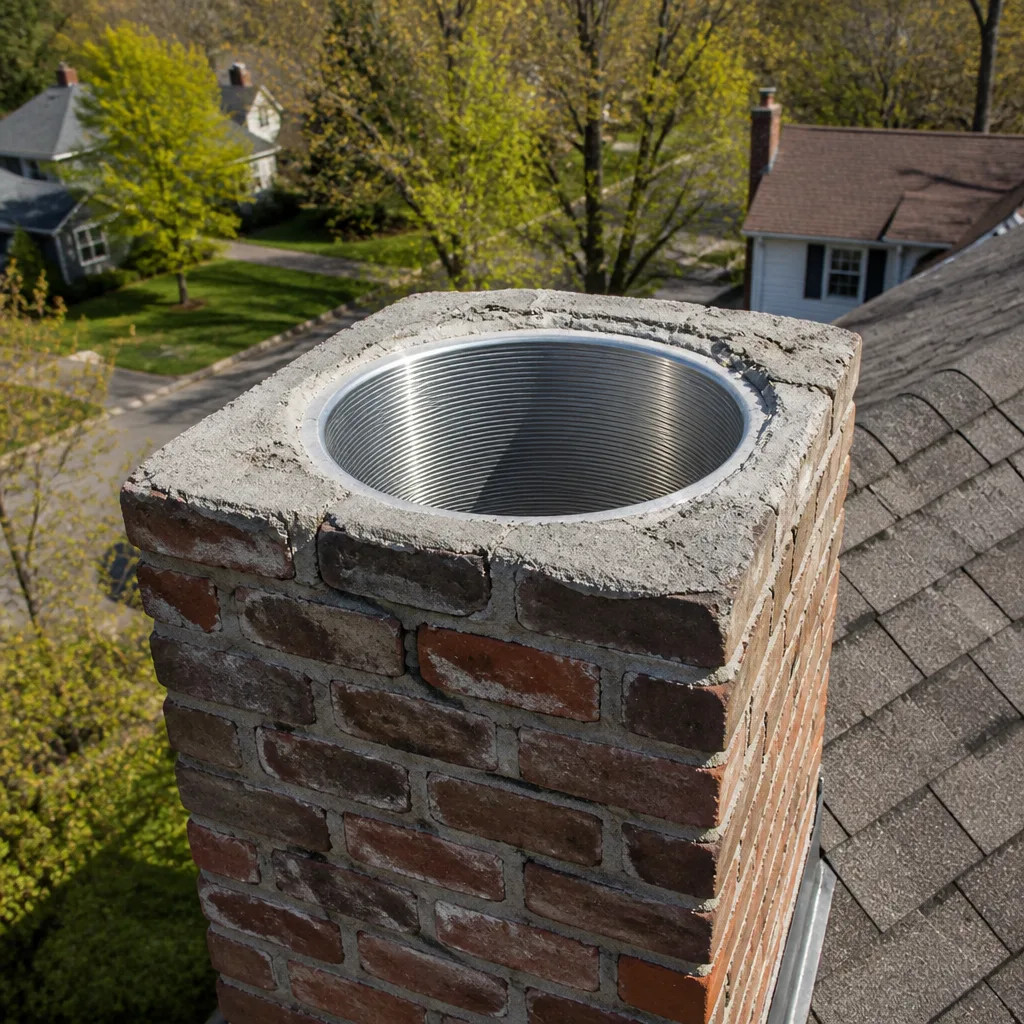 Flue relining
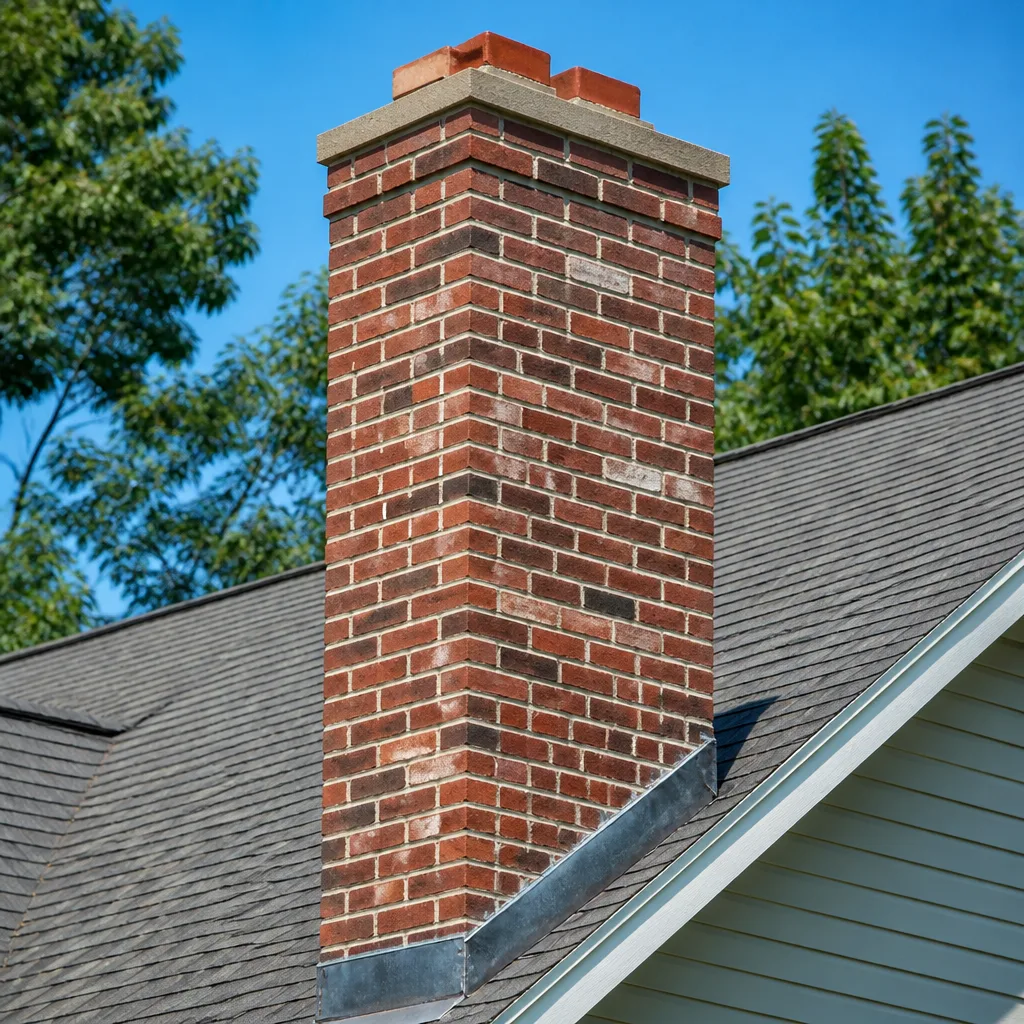 Masonry repair
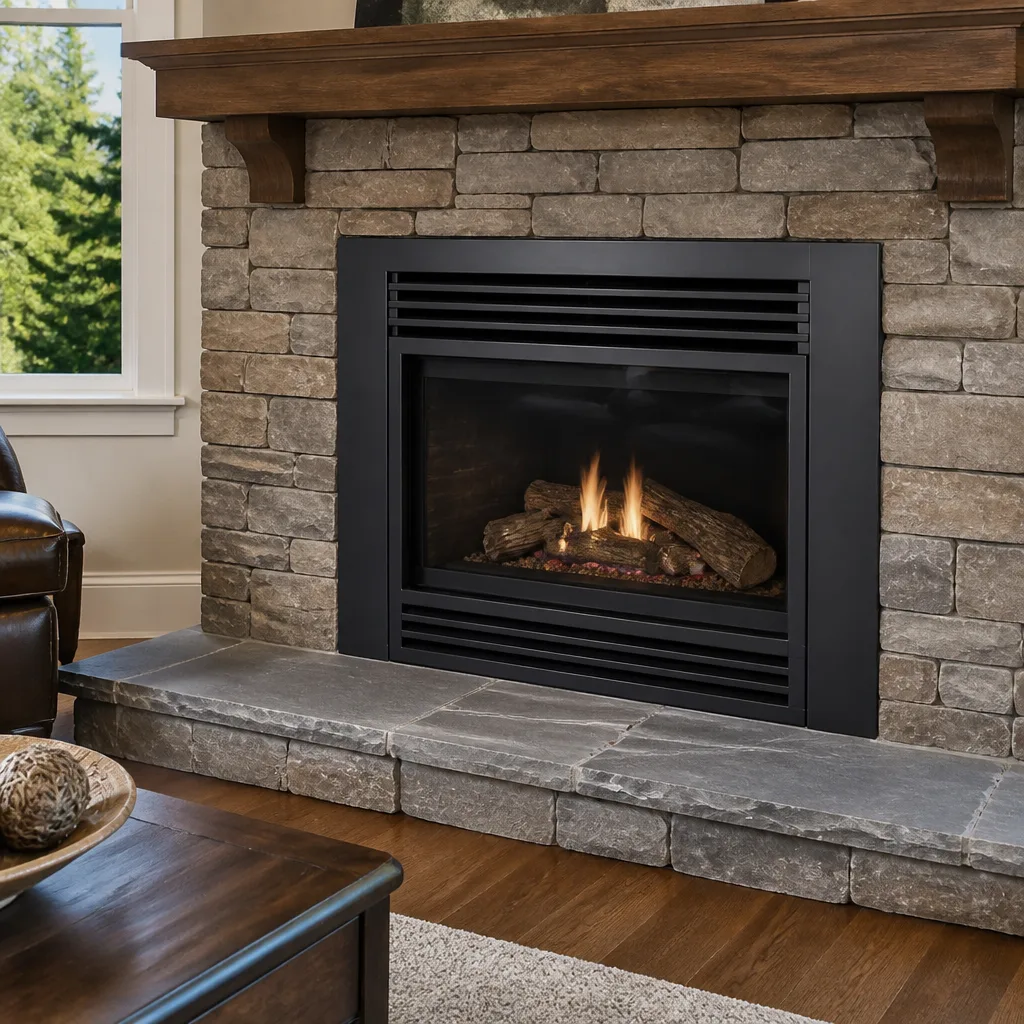 Gas fireplace service
Level 1 sweep and inspection to the NFPA 211 annual standard - flue, crown, cap, and flashing checked and photographed
Chimney sweep logs do not sweep chimneys. They loosen some creosote - which then falls where a brush and vacuum still have to collect it.
The Complete Guide to Chimney Cleaning in Parker
Most chimney fires don’t start in a neglected fireplace. They start in one that was “cleaned” by someone who only brushed the flue and called it done. That distinction matters more in Parker than it does in most places, because the same burn conditions that make a fireplace pleasant here also change how creosote forms, how much accumulates between sweeps, and what a technician actually needs to look at before the chimney is safe to burn again. This guide walks through the full process: how elevation and dry air affect deposits, which inspection level applies after a burn season, what a real cleaning includes that budget sweeps skip, how pine and hardwood differ, and the report you should expect when the job is finished.
Quick Answer
Chimney cleaning in Parker is a diagnostic process, not just a scrubbing job. A proper cleaning removes soot and creosote from the flue, but it also includes a liner inspection, attention to the smoke chamber, and a written record of what the technician saw and did. In Parker’s high, dry climate, the way creosote forms and hardens is different from lower-altitude Front Range towns, so the cleaning method and the inspection level should be matched to the fuel burned and the season behind you.
Styles & brands we work with
- Sweep & inspection
- Caps & crowns
- Flue relining
- Masonry repair
- Gas fireplace service
Table of Contents
- Why Cleaning a Chimney in Parker Is Different From Anywhere Else on the Front Range
- What Chimney Cleaning Actually Includes (And What Budget Sweeps Skip)
- Level 1, Level 2, and Level 3 Inspections: Which One Do You Need?
- How Wood Species Affect Creosote Deposits and Cleaning Methods
- What a Professional Cleaning Looks Like, Step by Step
- What the Post-Clean Report Should Contain
- How Much Does Chimney Cleaning in Parker Cost?
- How Often Should a Chimney in Parker Be Cleaned?
Why Cleaning a Chimney in Parker Is Different From Anywhere Else on the Front Range
Parker sits higher than most of the Front Range metro, and that elevation changes how a chimney behaves. Air is thinner up here, and combustion in a fireplace draws differently at higher altitude than it does at Denver’s lower elevation or in the towns along the plains to the east. That means a fire that feels perfectly managed can still produce deposits at a different rate than a homeowner expects if they moved here from a lower-elevation city.
The second factor is moisture. Parker’s air is dry through most of the year, and that dry air doesn’t just make firewood easier to store – it changes burn behavior. Wood that reads as “seasoned” to the touch in a humid climate may still carry more internal moisture than the same reading suggests here, because the surrounding air pulls moisture out unevenly. When that wood burns, it produces a different creosote profile: more of the softer, fluffier first-stage deposit in one season, and more of the harder, glazed second- and third-stage deposit if the fire is repeatedly run cool or smoldered.
In our experience, Parker homeowners often burn a mix of wood – locally available pine and mixed hardwood from Front Range suppliers – and that mix drives two very different deposit types inside the same flue. A technician who only knows one brushing method will leave part of that behind. A Parker-based specialist has to read the deposit type before choosing the tool.
One more local wrinkle: the swing seasons. Parker’s shoulder seasons are long enough that many fireplaces get used hard in October, sit mostly idle in November while the weather waffles, then run again in December. That stop-start pattern leaves a layer of deposit that cures in place. It’s exactly the pattern that produces glazed creosote, and it’s exactly the pattern a generic sweep will miss because it’s not visible from the firebox.
What Chimney Cleaning Actually Includes (And What Budget Sweeps Skip)
Professional chimney cleaning includes the full smoke path, not just the flue. That means the firebox, the damper and smoke shelf, the smoke chamber above the damper, the flue itself, and the cap and crown assembly at the top. A budget sweep that runs a brush down the flue and vacuums the firebox has cleaned a fraction of the system – and the part it skipped is often where the real problem lives.
Here’s the breakdown of what a thorough cleaning covers versus what a surface-level job leaves behind:
- Firebox and damper: Soot removed, damper checked for smooth operation, any warping or cracking noted. Skipped by budget sweeps more often than you’d think, because it takes time.
- Smoke shelf and smoke chamber: The smoke chamber is the angled space above the damper and below the flue. It collects deposits aggressively, and it’s the single most commonly skipped part of a cleaning. If it isn’t inspected and cleaned, the chimney is not clean.
- Flue liner: Brushed at the correct diameter for the liner type, then visually inspected for cracks, gaps, or separation between liner sections. This is where budget sweeps cut corners – they brush, they don’t inspect.
- Cap and crown: Checked for cracks, bird nests, debris, and water intrusion. The cap is the chimney’s raincoat. If it’s damaged, everything below it is at risk.
- Exterior and roof penetration: Flashing, crown, and masonry checked from the roof where accessible.
The other piece budget sweeps skip is the smoke chamber specifically. Older Parker homes, especially the ones built in the growth booms of the 1990s and early 2000s, often have smoke chambers that were never properly parged during construction. Deposits collect on the rough surface and harden, and brushing alone won’t remove them. Repairing that surface with a ceramic resurfacing product like HeatShield is a task most sweep-only companies can’t perform, and it’s one reason a real specialist matters.
Level 1, Level 2, and Level 3 Inspections: Which One Do You Need?
Chimney inspections are classified in three levels, and the correct level depends on what happened since the last inspection. A Level 1 inspection is the routine annual look. A Level 2 inspection is what you need after a chimney fire, after a change of fuel or appliance, or before a sale – and it’s what a full camera scan calls for. A Level 3 inspection is invasive and only applies when a Level 1 or 2 has found a problem that can’t be evaluated from the accessible parts of the system.
After a Colorado burn season, most Parker homeowners need a Level 2 inspection. Here’s why. The long dry season means the fireplace may run intensively for weeks and then sit unused for weeks. That pattern – plus the higher-altitude burn conditions – makes it more likely that a hidden problem has developed in the liner or smoke chamber during the season. A Level 2 inspection includes a video scan of the flue interior, which is the only reliable way to see the inside of a liner that passes behind a wall or above a roofline.
The three levels, in short:
- Level 1: Visual inspection of accessible portions. Standard for an annual sweep when nothing has changed and there’s no known concern.
- Level 2: Everything in Level 1 plus a video scan of the flue interior, accessible attic and crawlspace, and any accessible connections. Required after a chimney fire, after a change in fuel or appliance type, upon sale or transfer of the property, or when a Level 1 finds a concern.
- Level 3: Everything in Level 2 plus opening of walls, ceilings, or other structural elements to reach hidden parts of the system. Reserved for when the problem can’t be evaluated any other way.
We inspect before we recommend. That order matters, because the level of inspection should be driven by what the technician sees – not by what a salesperson wants to sell. If your chimney was cleaned last season and hasn’t been used differently since, a Level 1 with a good visual is often enough. If you moved into a Parker home and don’t know the fireplace’s history, a Level 2 is the honest starting point.
How Wood Species Affect Creosote Deposits and Cleaning Methods
The wood you burn changes the deposit. Pine, which is available throughout the Parker area, produces more of the soft, fluffy first-stage creosote because it burns hot and fast and releases more volatiles early in the fire. Mixed hardwood – oak, ash, and similar – burns longer and cooler and tends to produce harder, denser deposits, especially if it wasn’t fully seasoned. Run hardwoods too wet or too cool and you get stage-two creosote: brittle, crusty, and harder to remove with a standard brush.
Stage-three creosote is the glazed, tar-like deposit that requires a different approach entirely. It looks like a thin hardened shell on the liner, and a plain rotary brush can actually polish it rather than remove it. Professional-technician cleaning of glazed creosote typically involves specific tools and chemical treatments, and in the worst cases, a liner replacement – a job that calls for a flexible liner system from a brand like DuraFlex rather than a generic substitute.
Practical guidance for Parker homeowners:
- Pine: Burns hot and fast. Good for quick warm-ups. Expect softer fluffier deposits that clean out easily but accumulate fast.
- Seasoned hardwoods: Burn longer and cleaner if properly dry. Deposit tends to be harder, so a standard sweep is fine but the brush needs to be sized correctly for the liner.
- Under-seasoned wood of any species: The worst case – high moisture content produces steam, cools the fire, and drives heavy creosote formation in the flue. This is the single biggest controllable factor.
- Mixed loads: Many Parker homeowners run pine for warm-up then hardwoods for the long burn. The mixed deposit profile is why a cleaning method has to be matched to what’s actually in the flue – not just to what’s on the label of the wood.
Seasoning matters as much as species. Wood should be split, stacked, and dried long enough that it reads dry throughout. A moisture meter is worth having. Firewood that crackles and hisses when it burns is telling you it wasn’t ready, and that hiss is moisture turning to steam and driving creosote formation.
What a Professional Cleaning Looks Like, Step by Step
A professional cleaning is a sequence, not a single action. Here’s how a thorough job runs when a trained technician works through a Parker chimney:
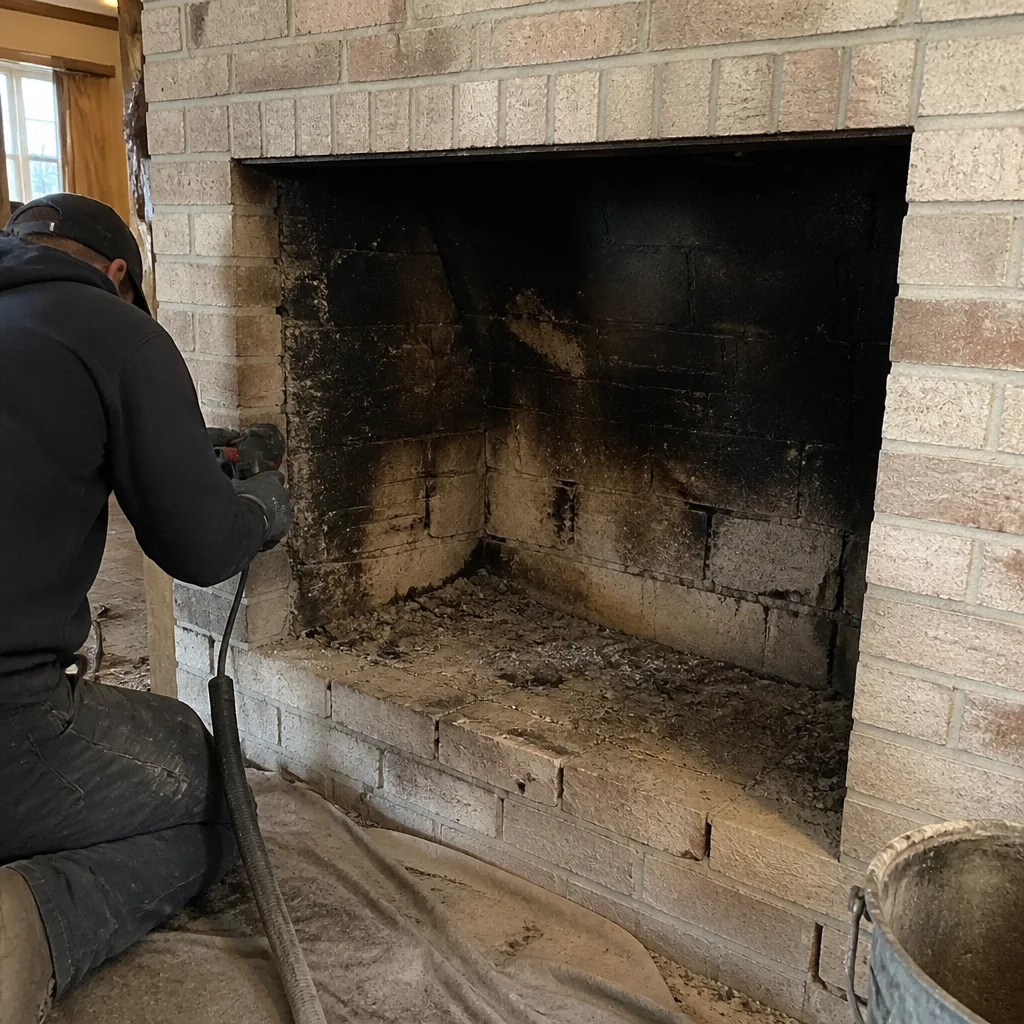
- Protect the home. Drop cloths and a HEPA vacuum are set up before any tools are brought in. Soot travels; containment comes first.
- Inspect what’s accessible from the firebox. Firebox, damper, smoke shelf, and the lower flue are examined before cleaning so the technician knows what tools and methods the deposit calls for.
- Clean the firebox and smoke chamber. Not just the firebox floor – the smoke chamber above the damper is specifically addressed, since deposits collect there aggressively and it’s the most commonly skipped part of a cleaning.
- Brush the flue with the correct tool for the liner type. A rotary brush sized for the liner diameter. Hard-glazed deposits require a different method than soft, fluffier deposits.
- Vacuum the full system. Debris from the firebox to the flue top is vacuumed through the HEPA unit so no soot releases into the home.
- Scan the flue interior. A camera goes down the flue so the technician can look for cracks, gaps, separation between liner sections, and any deposit that brushing didn’t fully remove.
- Check the cap, crown, and exterior. From the roof where accessible: cap damage, crown cracks, rusted spark arrestors, water intrusion evidence, and flashing condition.
- Document everything. A written report – not a verbal “looks good” – records what was found, what was cleaned, and what needs to be watched or repaired.
That sequence is what separates a specialist’s cleaning from a budget sweep. The camera scan is not optional, and the cap and crown check is not decoration. Both are how hidden problems get caught before they turn into structural ones. When the scan reveals a damaged liner that’s still structurally sound, a HeatShield ceramic resurfacing can restore it without demolition. When the scan reveals a liner that’s failed through, a full relining with a flexible DuraFlex system is the safe answer. Either way, the decision comes from what the camera saw, not from what a salesperson wanted to sell.
What the Post-Clean Report Should Contain
A post-clean report should include photos and specifics, not a handwritten receipt that says “cleaned.” The report is the record that tells you what your chimney looked like when the technician finished, and it’s what an insurer or future buyer will want to see. A verbal “looks good” from the technician is not acceptable documentation.
Here’s what a complete report covers:
- Inspection level performed and what that inspection covered.
- Deposit type and severity observed in the flue, listed by stage where relevant.
- Photo records of the flue interior from the camera scan, before and after cleaning.
- Condition findings on the liner, smoke chamber, damper, cap, crown, and flashing.
- Recommendations – separated into what needs action now, what can wait, and what to monitor at the next inspection.
- Method used for cleaning (brushing, rotary, chemical, or HeatShield resurfacing if applicable).
- Reburn readiness – a plain-language statement that the chimney is safe to burn, or a clear explanation of what needs to happen first.
Insist on the photos. A written report with camera images is the difference between knowing your chimney is safe and hoping it is. And if a technician recommends thousands of dollars in liner or masonry work without showing you what they saw, ask to see the images before you sign anything. Nothing is recommended without camera evidence you can see for yourself.
How Much Does Chimney Cleaning in Parker Cost?
Chimney cleaning in Parker typically runs about $150 to $350 for a standard sweep and Level 1 inspection on a single-flue chimney, with a Level 2 inspection with camera scan running about $75 to $150 more. Add a cap or crown repair and the total rises toward $400 to $800 depending on the material and the condition of the crown. A resurfacing with HeatShield or a full liner replacement is a separate quote – resurfacing typically sits in the low four figures, and full relining in the mid to high four figures. Every one of those numbers is a typical range, not a fixed price. The written estimate sets the final price.
A rough breakdown to expect:
- Standard sweep with Level 1 inspection: $150 to $350
- Level 2 inspection with video scan (often combined with sweep): +$75 to $150 on the sweep price
- Cap installation or replacement: $150 to $450 depending on size and material
- Crown repair: $300 to $600
- Smoke chamber parging or HeatShield ceramic resurfacing: quoted per job, into the low four figures on larger chambers
- Full liner replacement with a flexible DuraFlex system: quoted per job, mid to high four figures on a full house flue
The reason a range is honest rather than a flat fee comes down to what the chimney actually contains. A flue with easy-cleaning first-stage deposits takes less time than one with glazed stage-three deposits. A chimney with an intact crown and cap needs no repair; one that’s been leaking for years needs more. A Parker home with two fireplaces has two flues. Pricing per job by written estimate is how the final number stays honest.
How Often Should a Chimney in Parker Be Cleaned?
A chimney in Parker should be cleaned at least once a year if it’s used regularly, and more often if you burn a lot of pine or run fires cool and slow. The general industry rule is that a chimney needs cleaning when the creosote has accumulated to a thickness that could sustain a fire – which is typically at the end of the equivalent of about a cord of wood burned. Parker’s long burn season means a fireplace used through fall and winter can hit that threshold inside a single season.
Two things push Parker chimneys toward more frequent cleaning than their owners expect. The first is the burn pattern – the stop-start rhythm of shoulder-season use that cures soft creosote into hard deposits. The second is the fuel mix – pine-heavy burning adds soft deposits that fill the flue faster than hardwood alone would. If you burn mostly pine and you burn it in a fireplace or wood insert, annual cleaning is a floor, not a ceiling; some Parker homes need cleaning mid-season.
Annual cleaning is also the moment the inspection happens. Skipping the cleaning means skipping the inspection, and skipping the inspection is how small liner cracks become relining jobs and small crown cracks become interior water damage. Skipping a sweep isn’t just about soot – it’s about losing the only reliable check on the part of the chimney you can’t see.
If your fireplace hasn’t been used in years and you don’t know its history, treat year one as an inspection-first scenario. A Level 2 inspection with camera scan tells you what you’re actually working with before you light the first fire. From then on, annual cleaning and inspection keeps the record current. Call (866) 947-9489 for an exact quote – estimates are free.
Common Mistakes to Avoid
- Believing that “brushed the flue” equals a clean chimney. The firebox, smoke shelf, smoke chamber, and cap are part of the cleaning – if the report doesn’t mention them, they weren’t cleaned.
- Accepting a verbal “looks good” as documentation. A clean job comes with photo evidence from the camera scan and a written record. Without those, you have no way to verify the technician actually saw what they claim.
- Running cool or smoldering fires to make the wood last longer. This is the single fastest way to build stage-two and stage-three creosote. Hotter, shorter fires are cleaner on the chimney than long, slow, smoky ones.
- Burning under-seasoned wood. Parker’s dry air makes it easy to believe wood is ready when it isn’t. A moisture meter takes the guesswork out, and dry wood deposits far less.
- Skipping the cap check because “it looks fine from the ground.” The cap is the chimney’s raincoat. A cracked cap lets water into the flue and masonry, and that water damage is the leading cause of long-term chimney deterioration. The cap has to be checked from the roof, not from the yard.
- Booking a sweep-only company for a job that needs a specialist. A sweep-only service can brush a flue, but it can’t run a camera diagnostic, resurface a smoke chamber with HeatShield, or install a flexible DuraFlex liner when the scan shows one is needed. If any of those might apply, start with the specialist.
- Ignoring a Level 2 recommendation after a burn season that included any chimney fire, however small. Even a brief chimney fire can compromise a liner. The camera scan is what tells you whether it did.
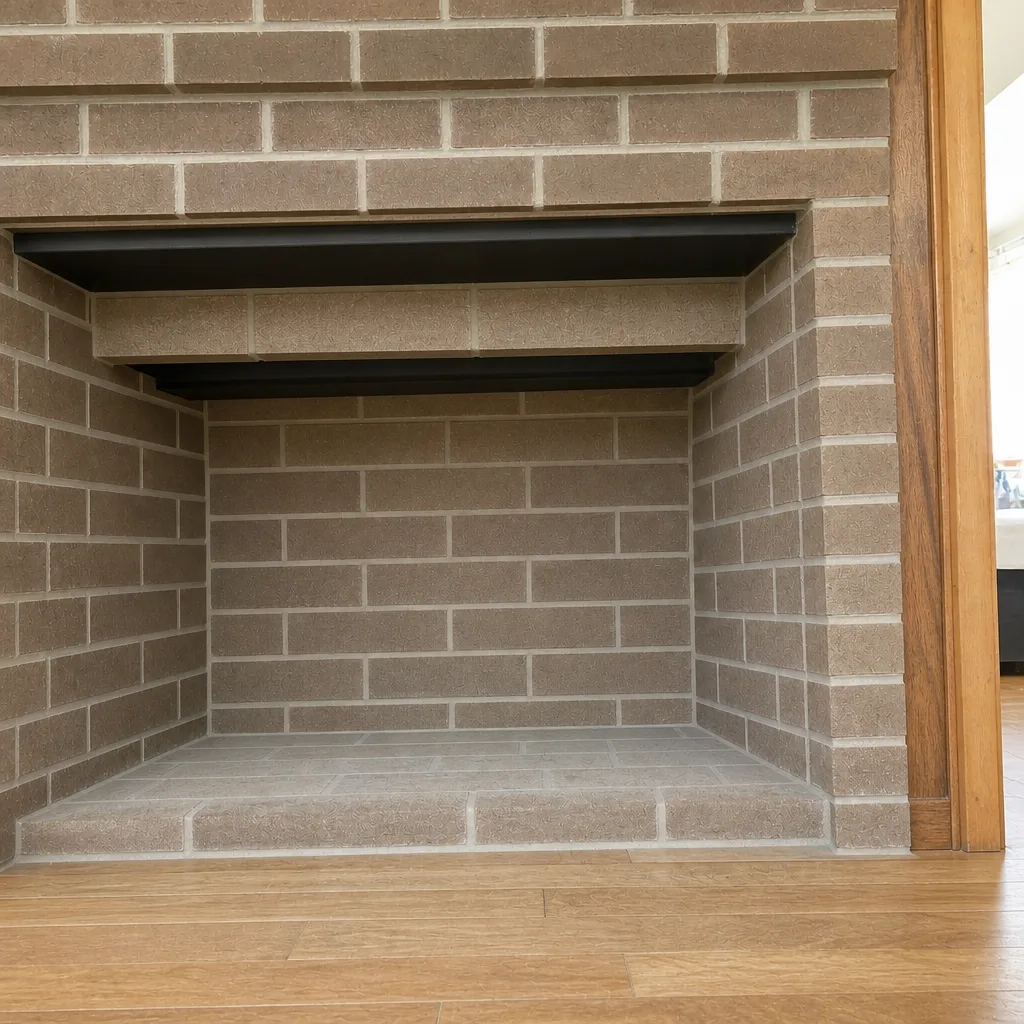
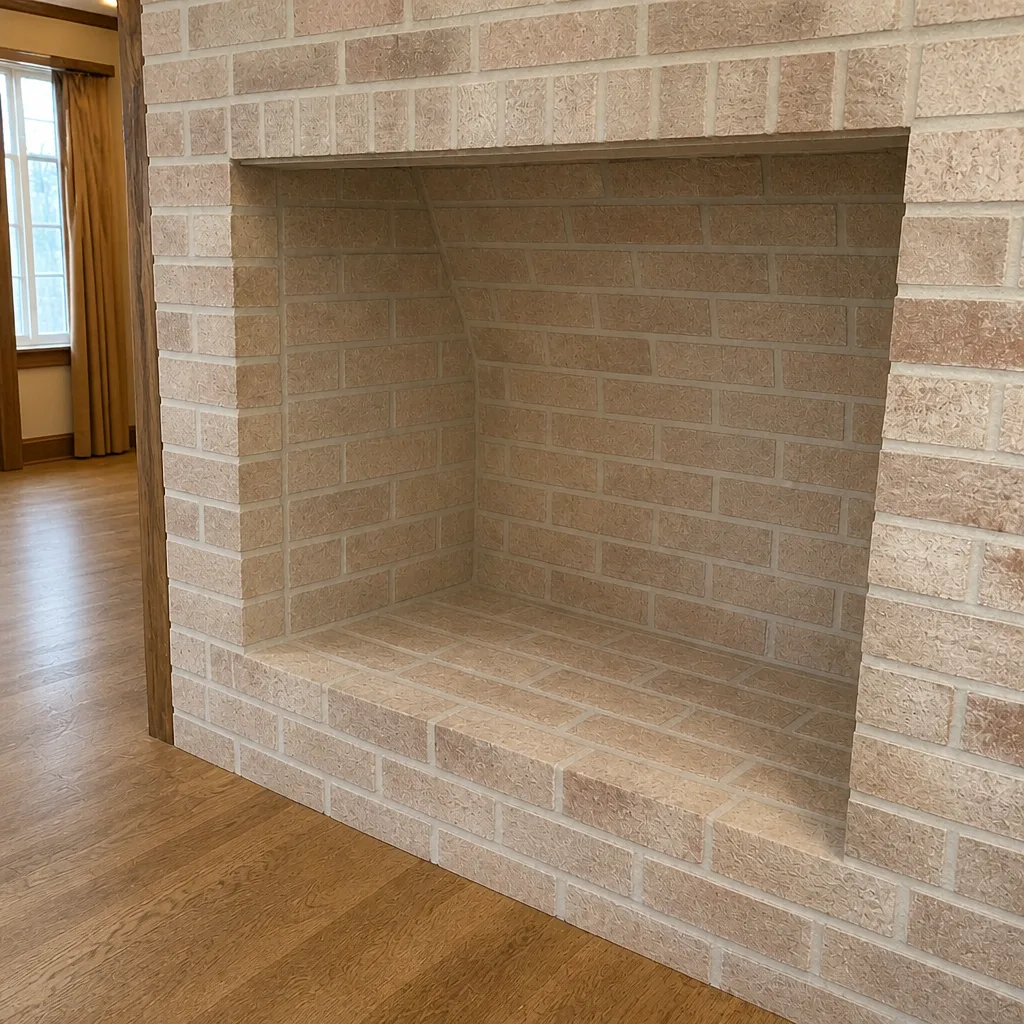
See the difference
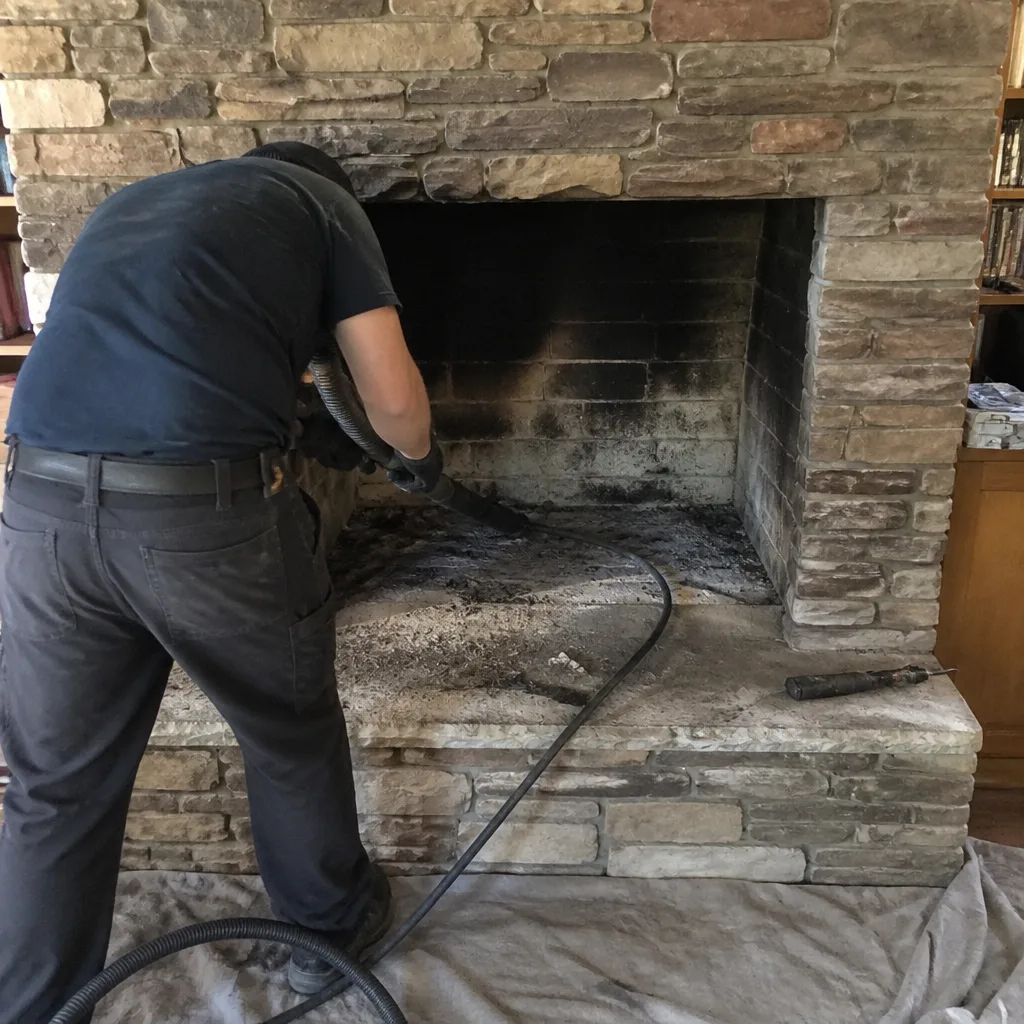 Before
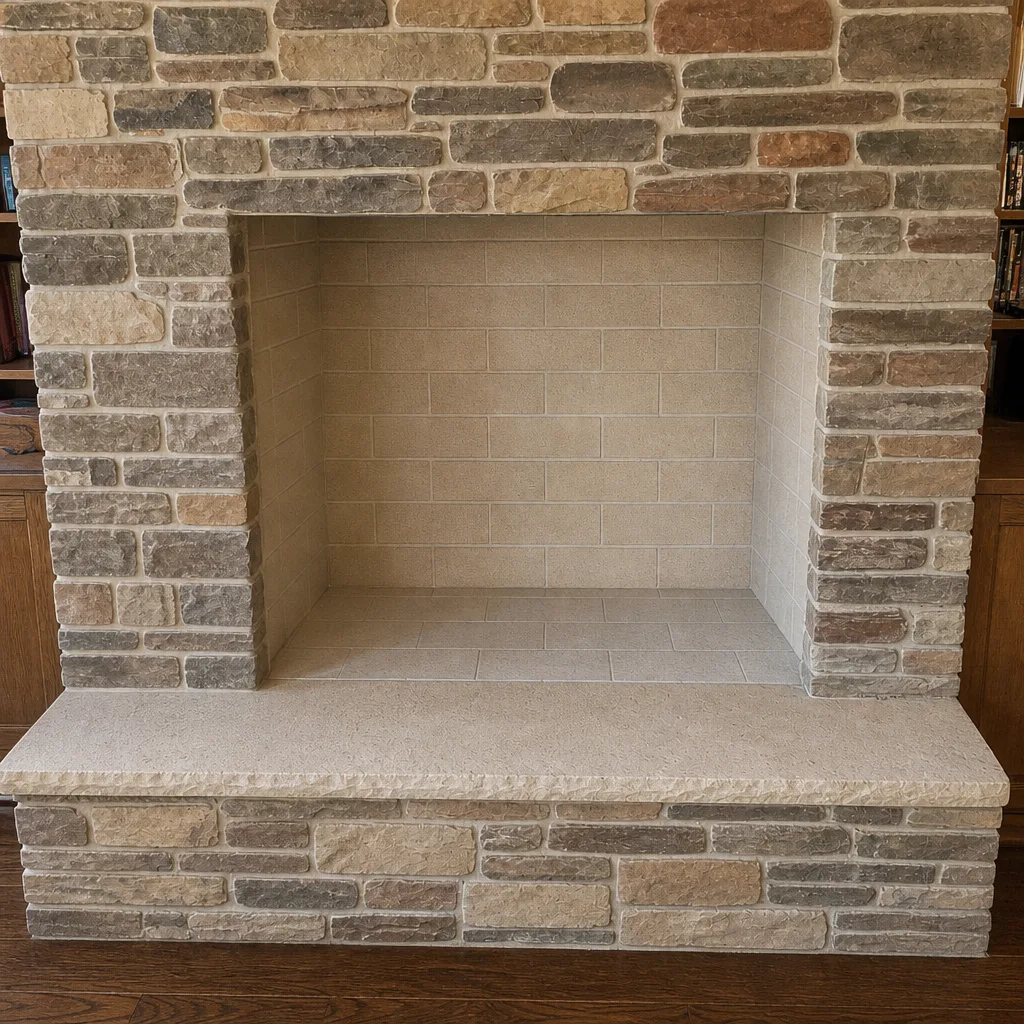 After
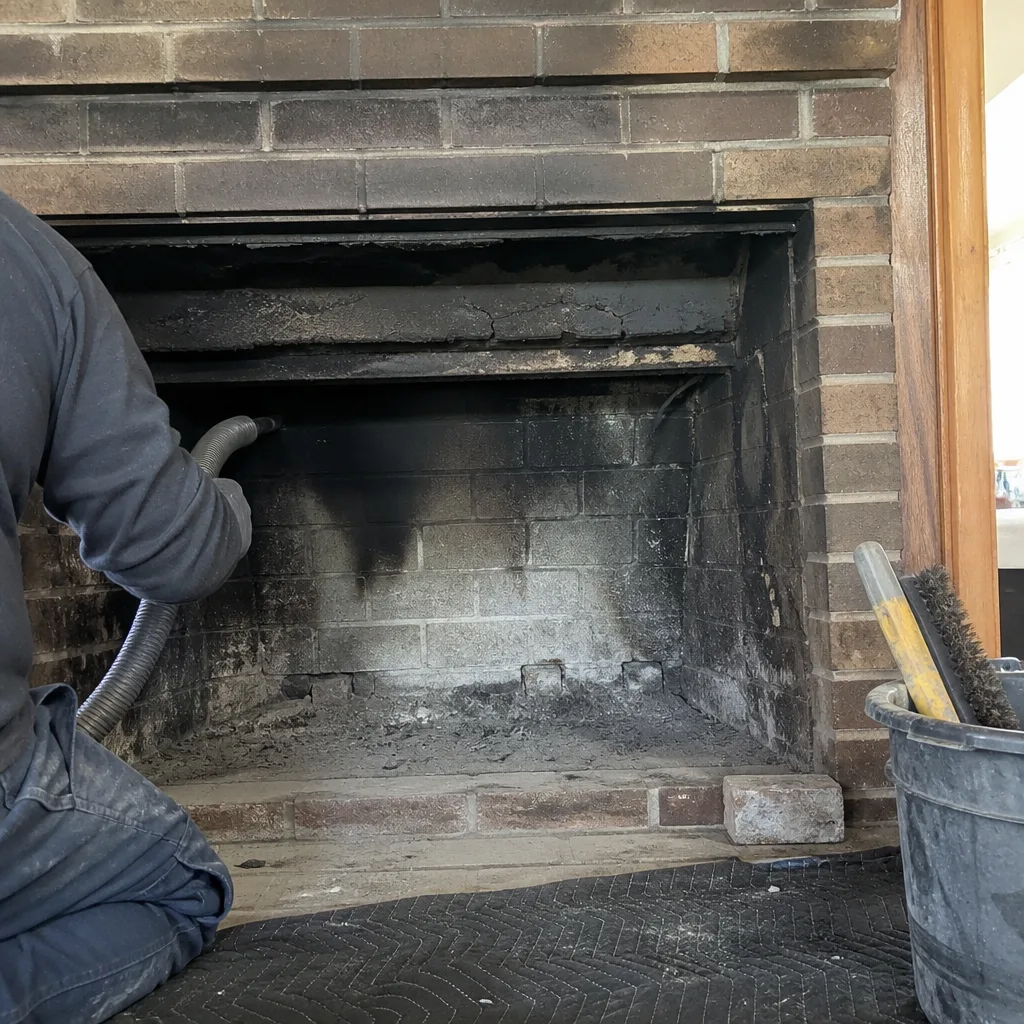 Before
 After
 Before
 After
When to Call a Professional
Call a professional for a chimney in Parker when: it’s been more than a year since the last cleaning; you’ve moved into a home with an unknown fireplace history; you’ve had any chimney fire, even a small one you put out yourself; you smell smoke in the living space when the fireplace isn’t lit; you see dark staining on the exterior masonry or the ceiling near the chimney; the damper is sticky or won’t fully close; the cap is missing, loose, or cracked; or you’re about to sell the home and need a current inspection record. A professional is also the right call when you’re unsure – the cost of a diagnostic is far smaller than the cost of a missed liner problem.
Parker Chimney Sweep Pros offers free estimates in Parker – call (866) 947-9489. We answer 24/7. Fast dispatch, 7am-7pm, Sunday through Friday. A call outside dispatch hours is booked into the next opening, Sunday through Friday, 7am to 7pm.
Frequently Asked Questions
A standard sweep with a Level 1 inspection in Parker typically runs $150 to $350, and a Level 2 inspection with a camera scan adds about $75 to $150. Those are typical ranges, not fixed prices – the written estimate sets the final number after the technician sees the chimney. Call (866) 947-9489 for an exact quote – estimates are free.
Not always – a camera scan tells you whether you do. If the scan shows surface damage that hasn’t compromised the liner’s structure, a HeatShield ceramic resurfacing can often restore it without demolition and at a fraction of the replacement cost. If the scan shows cracks through the liner wall, gaps between sections, or a failed connection, replacement with a flexible DuraFlex system is the safe answer. Nothing is recommended without camera evidence you can see for yourself. Call (866) 947-9489 for an exact quote – estimates are free.
At least once a year if the fireplace is used regularly, and more often if you burn a lot of pine or run fires cool and slow. Parker’s long burn season and the mix of fuels typically burned here push many homes past the cleaning threshold faster than the standard annual rule assumes. Call (866) 947-9489 for an exact quote – estimates are free.
The main risk is a chimney fire – creosote that’s allowed to build up beyond the safe threshold can ignite, and a chimney fire can spread beyond the chimney. The secondary risk is undetected liner damage, which allows heat and combustion gases into the structure of the house rather than up and out. Skipping a sweep also means skipping the inspection, which is the only reliable way to catch small problems before they become structural ones. Call (866) 947-9489 for an exact quote – estimates are free.
Yes, in practical terms it does. Higher elevation changes how a fire draws and burns, and the dry air affects how wood seasons and how deposits cure. The result isn’t a fixed number of cleanings per year – it’s a cleaning schedule tied to how much you burn, what you burn, and what the camera scan finds each season. Call (866) 947-9489 for an exact quote – estimates are free.
Basic brushing of a flue is technically possible with the right tools, but a homeowner cleaning can’t do what a professional cleaning does: inspect the liner with a camera, address the smoke chamber, evaluate the cap and crown from the roof, and produce a written record with photos. Those steps are the ones that matter most for safety, and they’re not something a rental brush can handle. Call (866) 947-9489 for an exact quote – estimates are free.
The Bottom Line
Chimney cleaning in Parker is a diagnostic process, not a scrubbing job. The elevation, the dry air, and the mix of fuels burned here change how creosote forms and how fast it builds. A real cleaning covers the smoke chamber, inspects the liner with a camera, checks the cap and crown from the roof, and leaves a written report with photos. Budget sweeps skip all of that and call it clean. Our technicians have up to 14 years of experience, and we work with professional-grade brands like DuraFlex, HeatShield, and Olympia Chimney because the difference between a passed inspection and a failed liner isn’t cosmetic. We inspect before we recommend, and nothing gets recommended without camera evidence you can see for yourself. One specialist, every chimney service – from annual sweep to full liner restoration.
For more on the services covered in this guide: Parker Chimney Sweep Pros covers the full range, including a chimney sweep, fireplace and fireplace repair, and full chimney repair.
Contact
Parker Chimney Sweep Pros offers free estimates across Parker. Call (866) 947-9489. We answer 24/7. Fast dispatch from 7am to 7pm, Sunday through Friday. When you call, we’ll book a sweep and inspection at a time that works, and the technician will show you what the camera found before any recommendation is made. No surprises, no upsell, just a clear read on whether the chimney is safe to burn.
Written by the team at Parker Chimney Sweep Pros.