
Last updated November 23, 2026
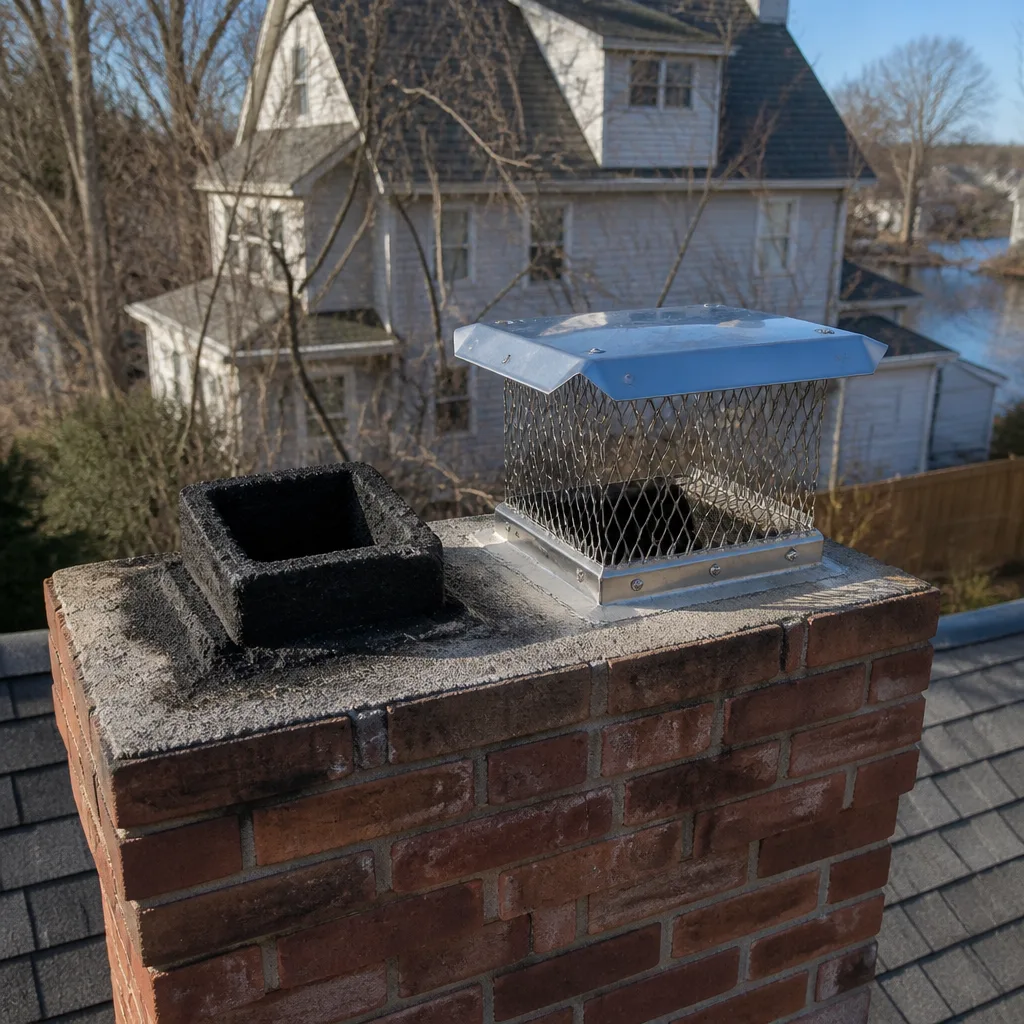 Sweep & inspection
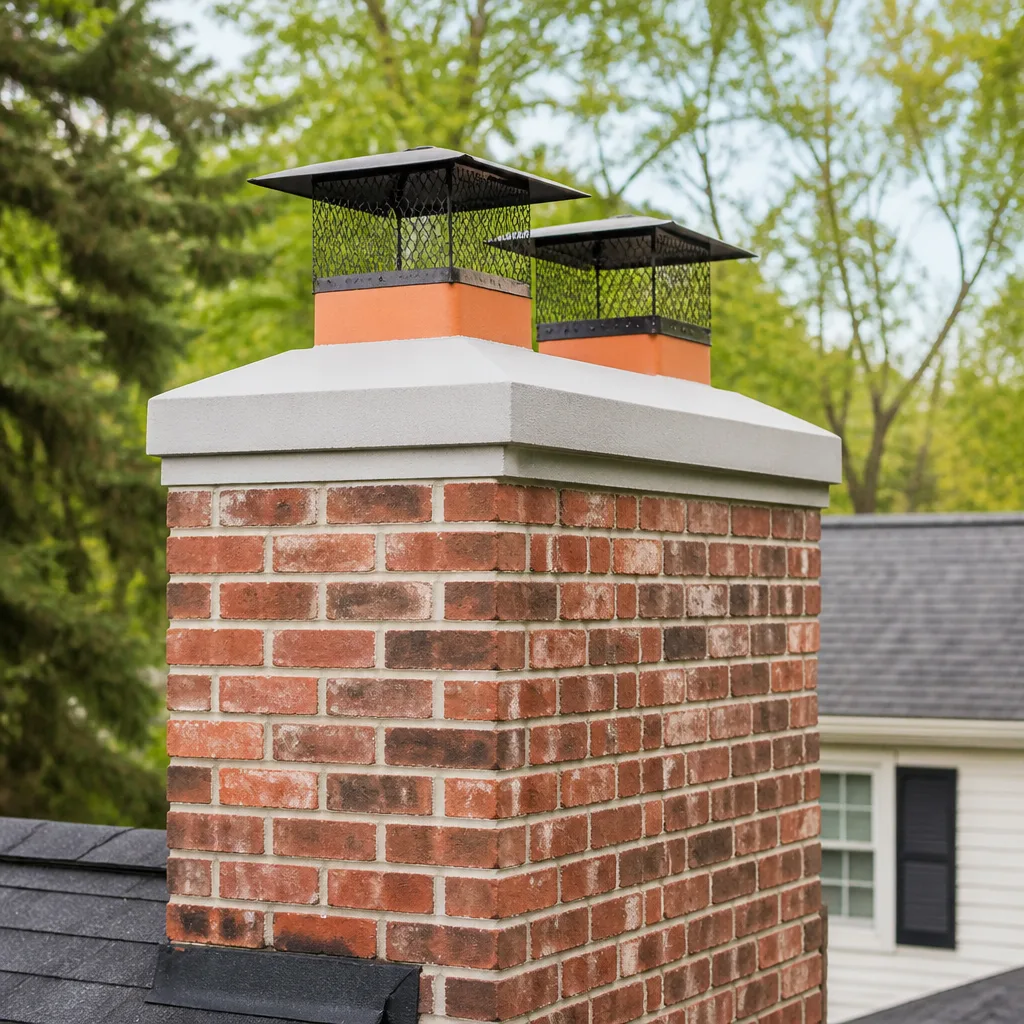 Caps & crowns
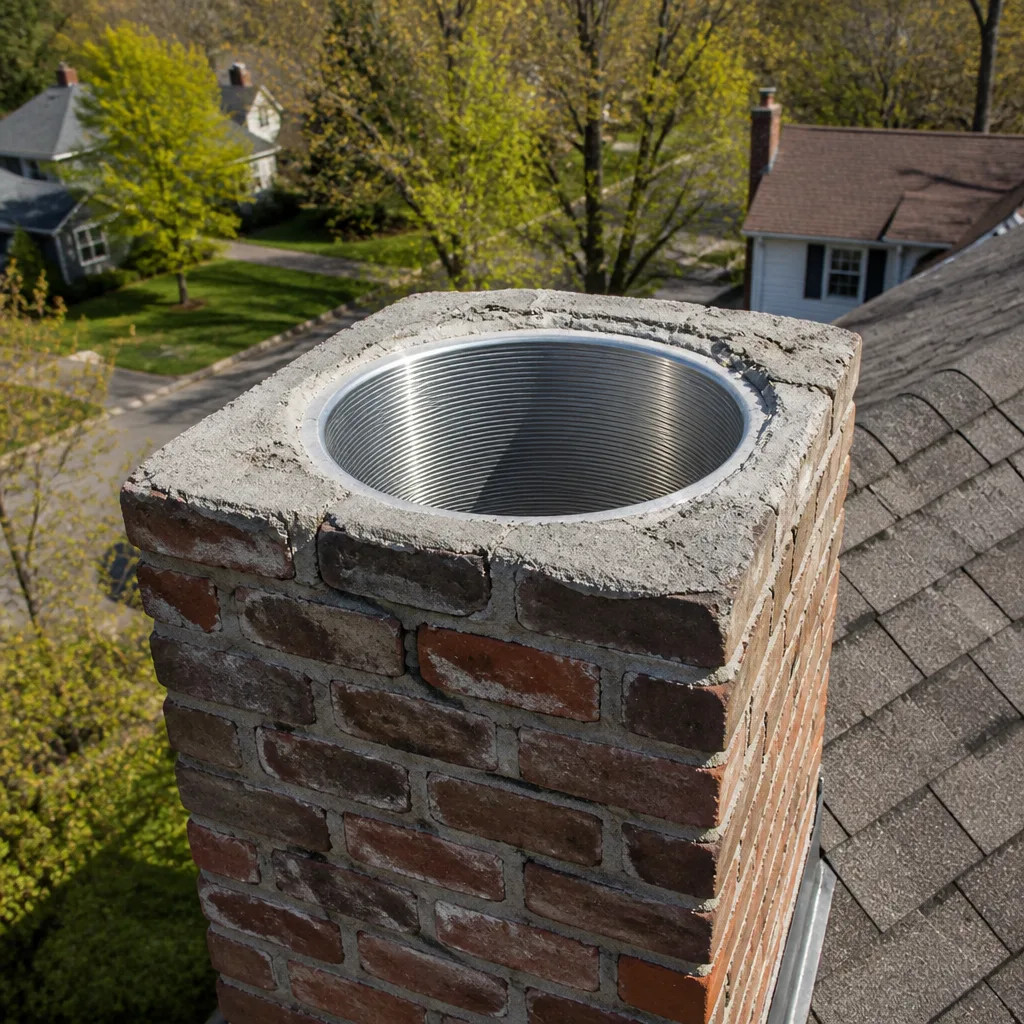 Flue relining
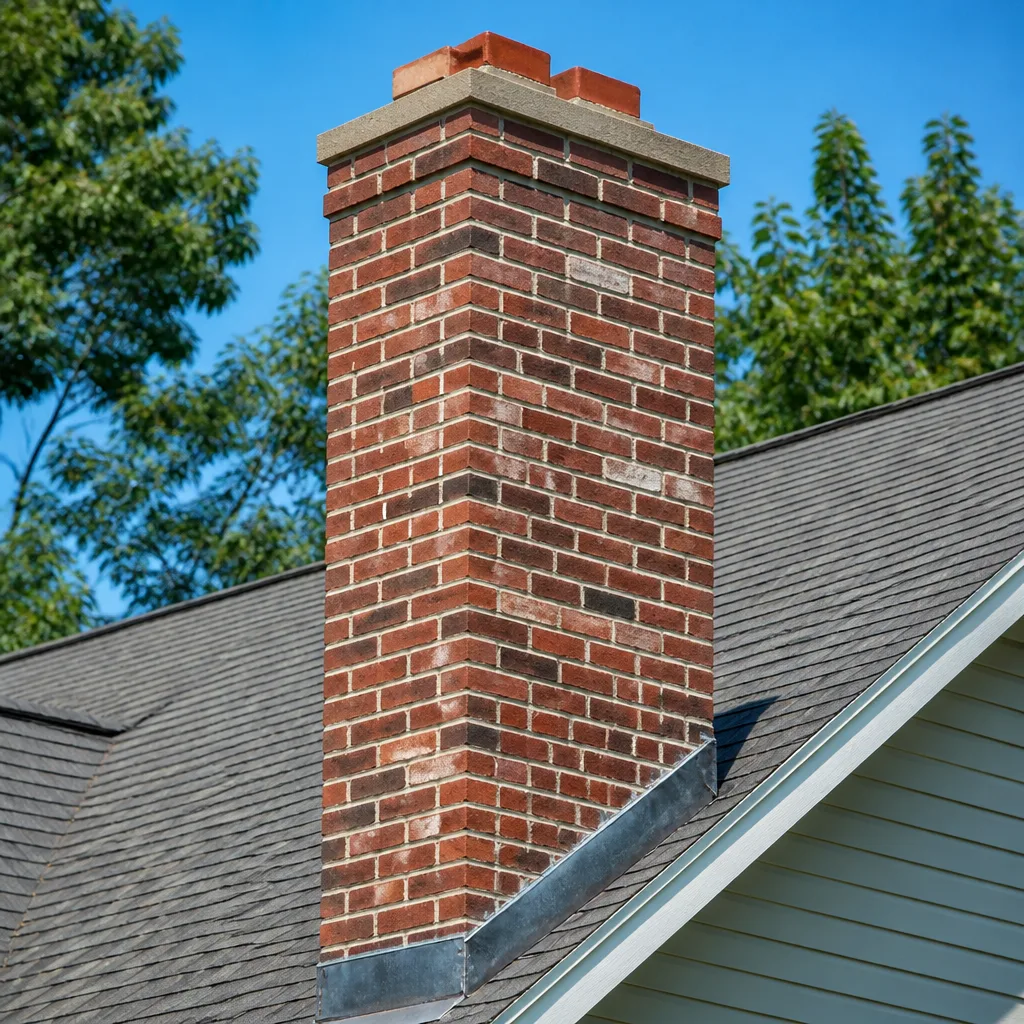 Masonry repair
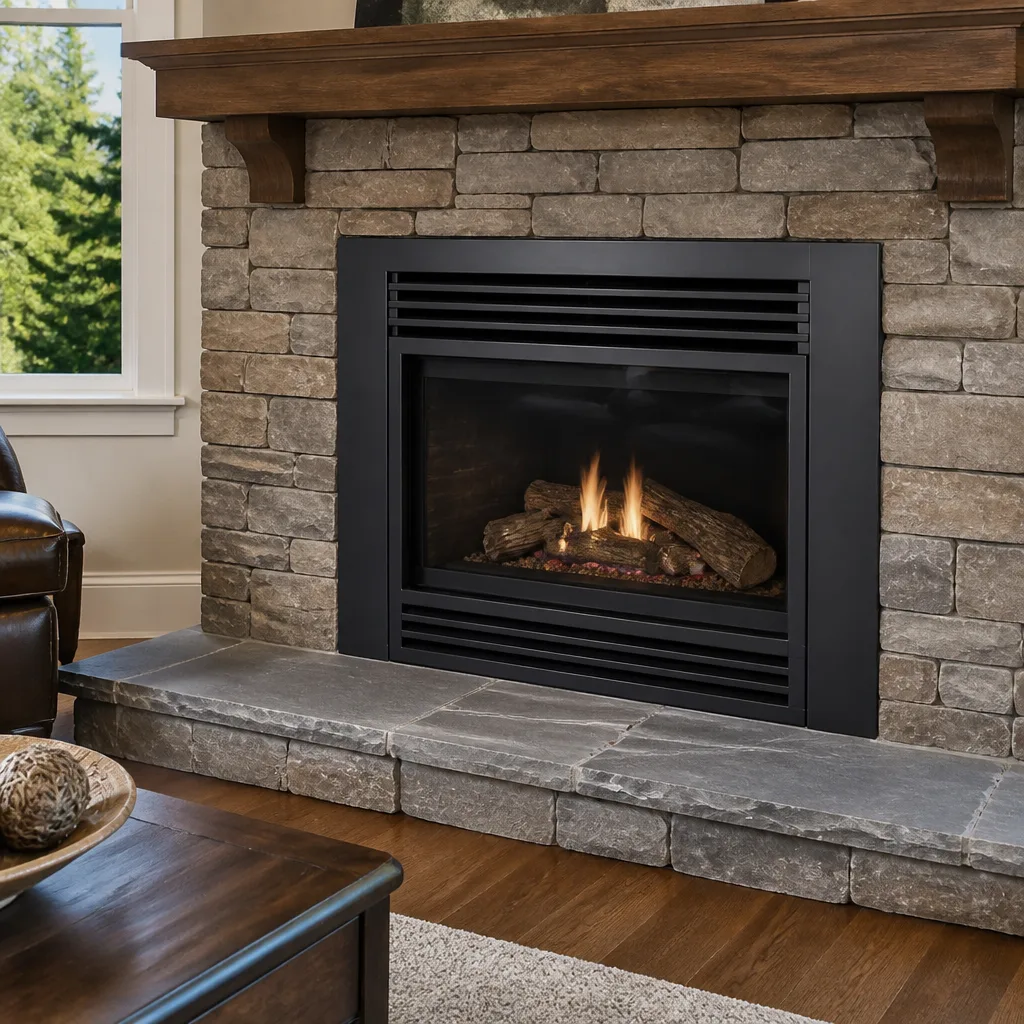 Gas fireplace service
Level 1 sweep and inspection to the NFPA 211 annual standard - flue, crown, cap, and flashing checked and photographed
Chimney sweep logs do not sweep chimneys. They loosen some creosote - which then falls where a brush and vacuum still have to collect it.
How to Hire a Chimney Cleaning Contractor in Parker: A Step-by-Step Guide
Most homeowners hire a chimney sweep the way they hire a plumber: find a name, check the price, book the visit. That filter works fine for a leaky faucet. It falls apart for a chimney. The credential gaps in this trade are wide, the work happens out of sight, and the consequences of a bad call don’t show up for a season or two – by which point the creosote has glazed onto the flue or the crown has been quietly letting water into the masonry for a year. This guide walks you through how to vet a chimney contractor in Parker the way a specialist would, from what a CSIA credential actually proves to the one document you should see before anyone climbs on your roof.
Quick Answer
To hire a chimney cleaning contractor in Parker, verify three things before you book: a current CSIA certification and general liability insurance certificate, camera inspection capability (not just a visual look from the firebox), and whether the company carries professional liner and crown materials rather than generic hardware-store substitutes. Ask for a written report with photos, confirm the quote itemizes the sweep, inspection, and any repair separately, and never authorize liner work without seeing the camera footage yourself. Price matters less than whether the person on your roof can actually finish what they start.
Styles & brands we work with
- Sweep & inspection
- Caps & crowns
- Flue relining
- Masonry repair
- Gas fireplace service
Table of Contents
- What CSIA, NFI, and NCSG Credentials Actually Mean
- The Questions to Ask Before You Book
- Why HVAC Generalists and Handymen Carry a Different Risk
- How to Read a Chimney Quote Without Getting Burned
- The One Document to Request Before Any Work Begins
- What Parker’s Climate Does to Your Chimney
- Inspection Levels: Which One Do You Actually Need?
- Common Mistakes to Avoid
- When to Call a Professional
What CSIA, NFI, and NCSG Credentials Actually Mean
The three credentials you’ll see on a chimney contractor’s website are CSIA, NFI, and NCSG. They’re not interchangeable, and none of them is a guarantee that the person on your roof can do the job you’re hiring them for. Here’s how to read each one.
CSIA stands for Chimney Safety Institute of America. A CSIA-certified sweep has passed a written exam and agreed to a code of ethics. It’s the baseline credential in this trade and it’s a real signal – it means the person has been tested on chimney construction, venting, and combustion safety. What it does not guarantee is equipment. A certified sweep can pass the exam and still show up with a flashlight and a hand brush, without a camera or liner materials on hand.
NFI is the National Fireplace Institute. NFI certification is specific to hearth appliances – gas, wood, and pellet. If your home has a wood insert or a gas fireplace, an NFI-certified technician is the right person to assess the appliance itself, not just the flue.
NCSG is the National Chimney Sweep Guild, a trade association. Membership signals that a company is invested in the trade enough to belong to it. It isn’t a certification and it isn’t a substitute for one.
In our experience, the credential that matters most depends on what you’re hiring for. A routine cleaning on a straightforward masonry flue is well within a CSIA-certified sweep’s scope. Relining a flue or restoring a crown is not. That’s why the credential question is only step one – the capability question comes next.
The Questions to Ask Before You Book
Before you put a chimney sweep on the calendar, ask these six questions. You’ll learn more from the answers than from any website or review count.
- Do you do a camera inspection, and will I see the footage? A visual check from the firebox tells you almost nothing about the flue above the smoke chamber. A camera inspection shows the actual condition of the liner – cracks, gaps, offset tiles, creosote glazing – and a professional will show you the footage rather than describe it.
- What liner brands do you install? A dedicated chimney specialist carries professional-grade liner systems and adapts to your flue. A generalist will quote whatever the local supply house had on the shelf. Ask specifically and listen for whether the answer sounds like a system or a shrug.
- What does the written report look like? Ask for a sample. A professional report includes photos, notes on each component (cap, crown, flue, firebox, damper), and a clear line between “safe to burn” and “address before next season.”
- Can I see your insurance certificate? Specifically, a general liability certificate with your name as certificate holder. A contractor who can’t produce this before the visit is telling you something.
- Is the sweep price flat, and what does it include? A clear answer means a flat rate for the sweep plus the inspection, with any repair quoted separately. A vague answer means you’ll be surprised on the roof.
- Who actually shows up? Some companies subcontract. Ask whether the technician arriving at your door is a direct employee of the company or a third party, and whether that person is CSIA-certified.
These aren’t trick questions. They’re the questions one professional asks another before taking on a job. A dedicated chimney company in Parker answers them without hesitation. A company that fumbles the camera question or the insurance question usually fumbles the work too.
Why HVAC Generalists and Handymen Carry a Different Risk
A handyman with a ladder can clean a chimney. That’s true. Whether that person should is a different question, and the risk profile isn’t the same as hiring a dedicated sweep.
The core problem is scope. A generalist typically cleans the flue and stops there. If the sweep reveals a cracked crown, a spalling wash, a missing cap, or a section of failed liner, the generalist either refers you out (good) or offers to “handle it” (bad). Chimney repair is its own trade, with its own materials – refractories, ceramic resurfacing compounds, flexible liner systems, crown mixes rated for freeze-thaw cycling. A handyman who quotes liner work without the specific tools and supplier relationships is guessing, and a failed liner is a carbon monoxide pathway.
The second issue is diagnostic quality. Dedicated chimney companies invest in cameras because that’s their primary tool. A generalist invests in a vacuum and a brush. On a masonry flue in Parker that’s seen a decade or two of freeze-thaw cycling, the difference between a camera inspection and a flashlight peek is the difference between knowing and hoping.
That’s why one specialist for the whole chimney system makes sense. A company that handles the annual cleaning also handles the chimney repair, the fireplace repair, and the cap and crown work sees the same flue year over year. That continuity catches slow deterioration that a once-every-three-years inspection misses.
The risk factor isn’t the person’s intentions. It’s their equipment, their materials, and what happens after they find something they didn’t expect. Hiring a specialist means the answer to “what next” isn’t a referral to a stranger.
How to Read a Chimney Quote Without Getting Burned
A chimney quote should itemize. That’s the whole rule. Every component the contractor touched, plus the cost, plus what wasn’t addressed and why. A quote that’s a single number with no breakdown is a quote you can’t compare to anything.
Here’s what a professional quote should show:
- Base sweep price, listed separately from inspection
- Inspection level performed (Level 1, 2, or 3), with the reason for that level
- Any repair line items, each with the material brand named and the scope described
- Camera inspection and photo report, included or itemized
- A written statement of what’s safe to burn and what isn’t, with what can wait
- Clear language that this is an estimate and the written estimate from the technician sets the final price
What’s commonly hidden: the difference between “sweep and inspect” and “sweep, inspect, and camera” (which are not the same visit), the cost of a cap if one is missing (some companies quote the sweep low and pad the cap), and the scope of any liner work (partial reline vs. full reline is a wide gap and should be named).
An unusually low bid usually omits the camera inspection, or the insurance, or both. It may also quote a “cleaning” that’s really just a brush pass from the roof with no inspection report at all. A chimney cleaning in Parker typically falls in the $150-$275 range for a standard masonry flue, with camera inspections adding to that when performed separately. A bid well under that floor is telling you which corners are being cut.
The written estimate, issued before any work begins, sets the final price. Anything that changes on the roof should come back to you as a revised estimate, not a surprise line on the invoice.
The One Document to Request Before Any Work Begins
The single document that separates a professional chimney contractor from an amateur one is the certificate of general liability insurance, with you named as certificate holder. Not a card in a wallet. Not a photo of a policy summary. A certificate issued by their insurer, with your property listed.
Why this particular document? A chimney contractor works on your roof and inside your chimney system. Roof damage, cracked flue tiles, water intrusion from a displaced cap, or a fire caused by improper cleaning all fall outside a homeowners policy if the contractor was uninsured. The certificate tells you whether your homeowner policy has someone to subrogate against or whether the loss is yours.
Ask for it before anyone schedules. A professional sends it within a day, often as part of the booking confirmation. A company that hedges, says “we’ve been doing this a long time,” or sends something that doesn’t name you as certificate holder is telling you how it handles other procedural things too. In our experience, liability paperwork is a barometer. Sloppy paperwork usually means sloppy tool control, and a missing chimney cap is a five-dollar part that costs thousands in water damage.
The second document worth asking for is the pre-work inspection report. It’s the record of what condition the flue was in before the technician touched it. If a dispute ever arises – or if you sell the home and need a paper trail – that report is what you’ll want.
What Parker’s Climate Does to Your Chimney
Parker sits at the edge of the Front Range at roughly 5,900 feet, and the climate does specific things to chimney systems that coastal guides never mention. The freeze-thaw cycle is the big one. Masonry absorbs moisture, that moisture freezes overnight, expands, and spalls the surface. A crown with a hairline crack in October can be a washed-out crown by March. The driveway clears in an afternoon; the crown doesn’t.
The second driver is the burn season. Parker homeowners burn through roughly October to April, which means a summer’s worth of small deterioration calls go unnoticed until the first fire of the season. That’s why late summer and early fall are the smart window for a chimney sweep – you want the inspection done before the first burn, not after.
The third factor is wind. Parker sits where gusts meet single-story rooflines, and chimney caps take a beating. A cap that’s missing or loose after a wind event lets rain and snow directly into the flue. That’s the leading cause of chimney deterioration we see across Parker and the surrounding Douglas County neighborhoods – not fire, water. A properly fitted and sealed cap from a brand like Gelco or Copperfield, installed right, is the cheapest structural insurance you can buy.
What this means for hiring: ask any contractor you consider how they handle crown and cap work specifically. If the answer is “we refer that out” or “we don’t do caps,” you’ve learned that your chimney has no one watching the top end of it.
Inspection Levels: Which One Do You Actually Need?
Chimney inspections come in three levels, and knowing which one you need prevents paying for more than required or, worse, less than the situation demands. Here’s how they break down:
- Level 1 inspection: A visual check of readily accessible portions of the chimney and firebox, done with the appliance in its normal configuration. This is the right level for an annual sweep on a system that’s been serviced regularly. It’s the cheapest and the most common, and for most Parker homes with a known chimney history, it’s sufficient.
- Level 2 inspection: Everything in Level 1, plus a camera inspection of the flue interior and accessible portions of the attic, crawlspace, and chimney exterior. A Level 2 is required when the home changes hands, when the appliance changes, after a chimney fire, or after a seismic or weather event that might have damaged the system. New Parker homeowners should default to Level 2.
- Level 3 inspection: Everything in Level 2, plus removal of portions of the chimney or building to access concealed areas. A Level 3 is rare and typically follows an indication on a Level 2 that something is wrong behind a wall or under a crown.
If you’ve just bought a home in Parker and have no service history on the fireplace, ask for a Level 2. The camera inspection is the reason – it’s the only way to know whether the flue has been relined with a cheap substitute, whether a previous owner’s “repair” is failing, or whether the flue is still original from a build era with different codes. If you’re an established homeowner with a sweep every year, a Level 1 with the sweep is fine.
The most important thing about inspection levels isn’t the number on the invoice. It’s whether the technician can tell you, in plain terms, why they chose the level and what the camera showed. That’s the report worth paying for.
Common Mistakes to Avoid
- Booking the cheapest quoted sweep without asking about the camera. A sweep that’s $100 cheaper but skips the camera inspection isn’t a deal – you’ve paid for a cleaning and gotten no diagnostic information. In our experience, the camera is where most real findings come from.
- Accepting a liner quote without seeing the footage. A liner recommendation is a four-figure conversation. The footage should come with it, and you should be able to look at it and understand what you’re seeing. If the technician can’t pause on a frame and explain what’s wrong, ask why.
- Hiring a handyman because the sweep looks simple. The sweep is simple. The repair decisions that follow are not. A cracked crown or a washed-out flue collar isn’t a handyman scope, and a failed DIY liner is a carbon monoxide pathway.
- Skipping the insurance certificate because the company “seems reputable.” Every year, homeowners in Parker and across Douglas County discover after a roof leak that the contractor cleaning their chimney wasn’t insured. The certificate takes five minutes to request.
- Burning before the first inspection. If you’ve just moved into a Parker home and don’t have a service history on the fireplace, do the inspection before the first fire. A previous owner’s “it worked fine for us” is not a report.
- Ignoring the cap because it “looks fine from the ground.” A cap that’s loose or rusted through is invisible from your driveway. The camera and the roof-side inspection are where caps are assessed. Water intrusion is the number one driver of chimney deterioration in this climate.
- Choosing a quote with no written breakdown. A single price on a napkin isn’t a quote, and you have nothing to compare it against or to fall back on if the scope changes. Always get the itemized written estimate.
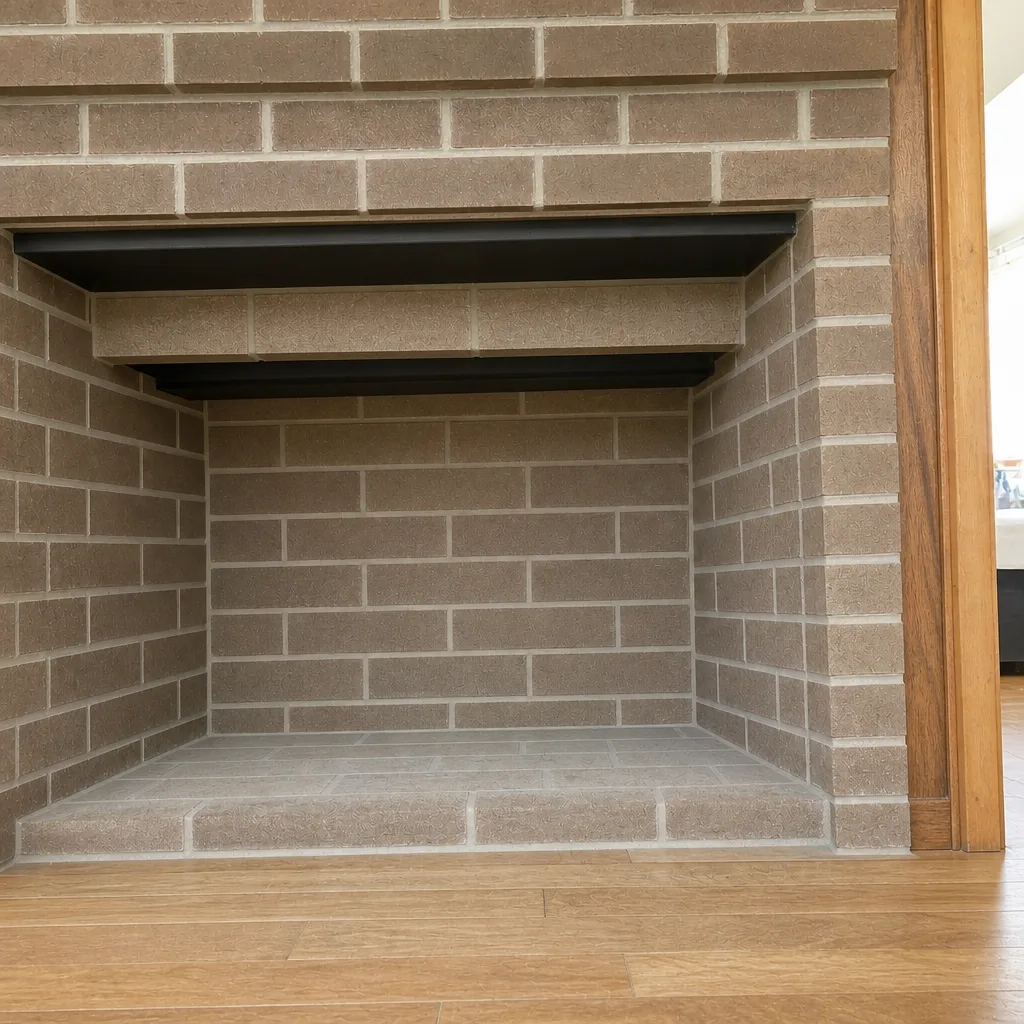
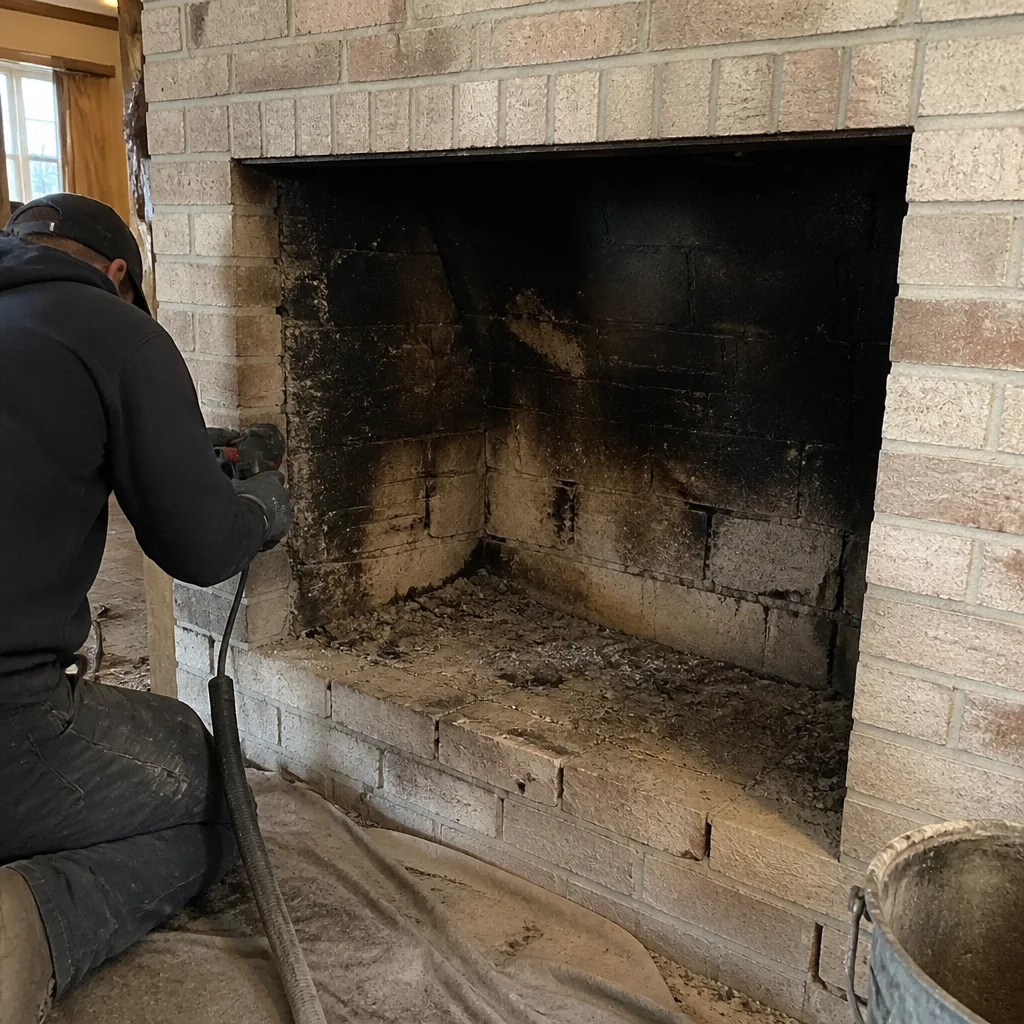
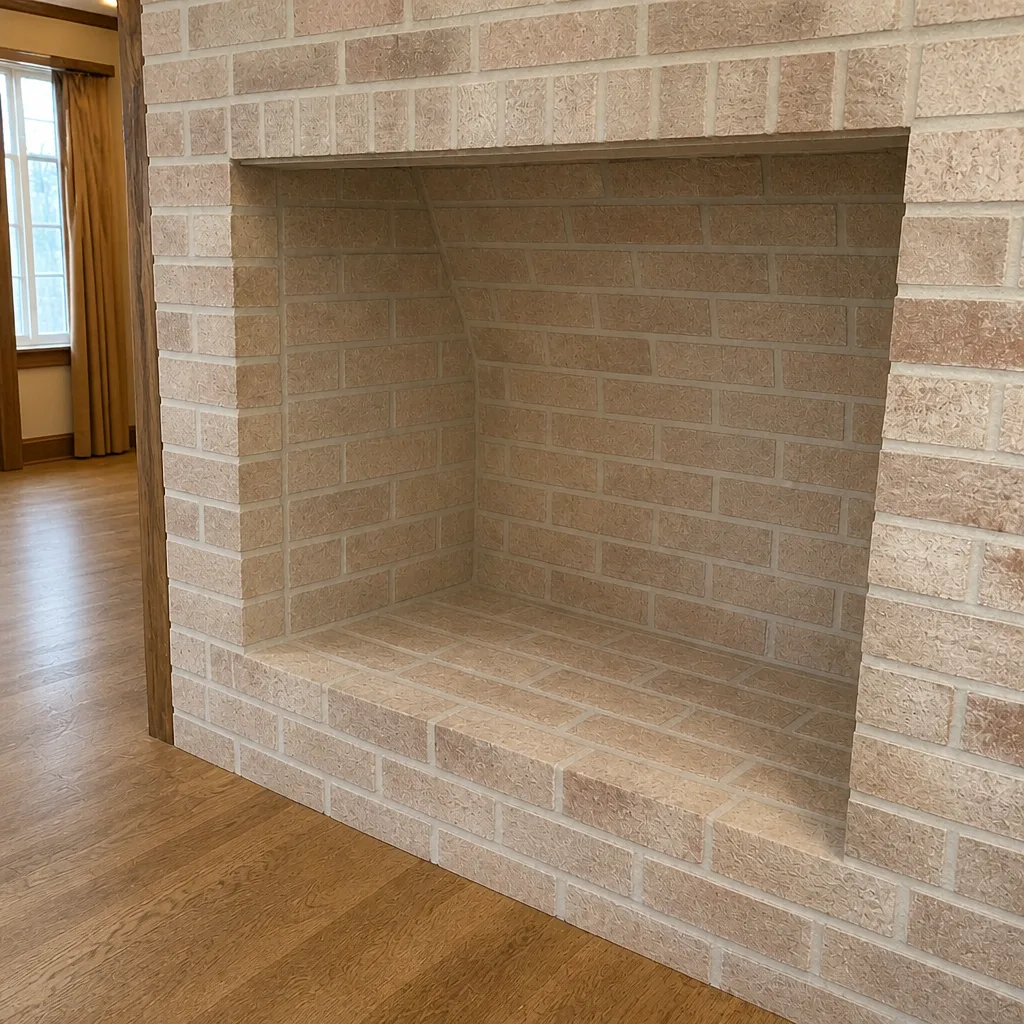
See the difference
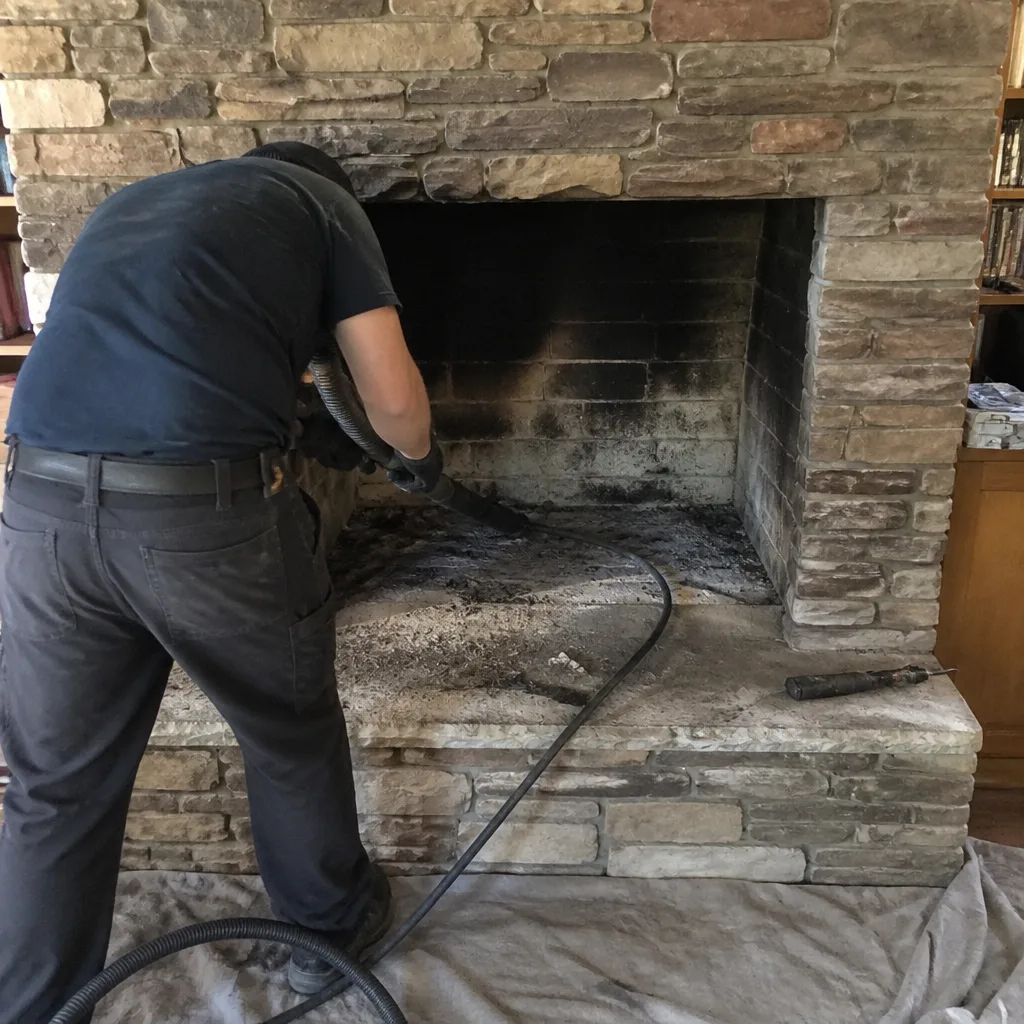 Before
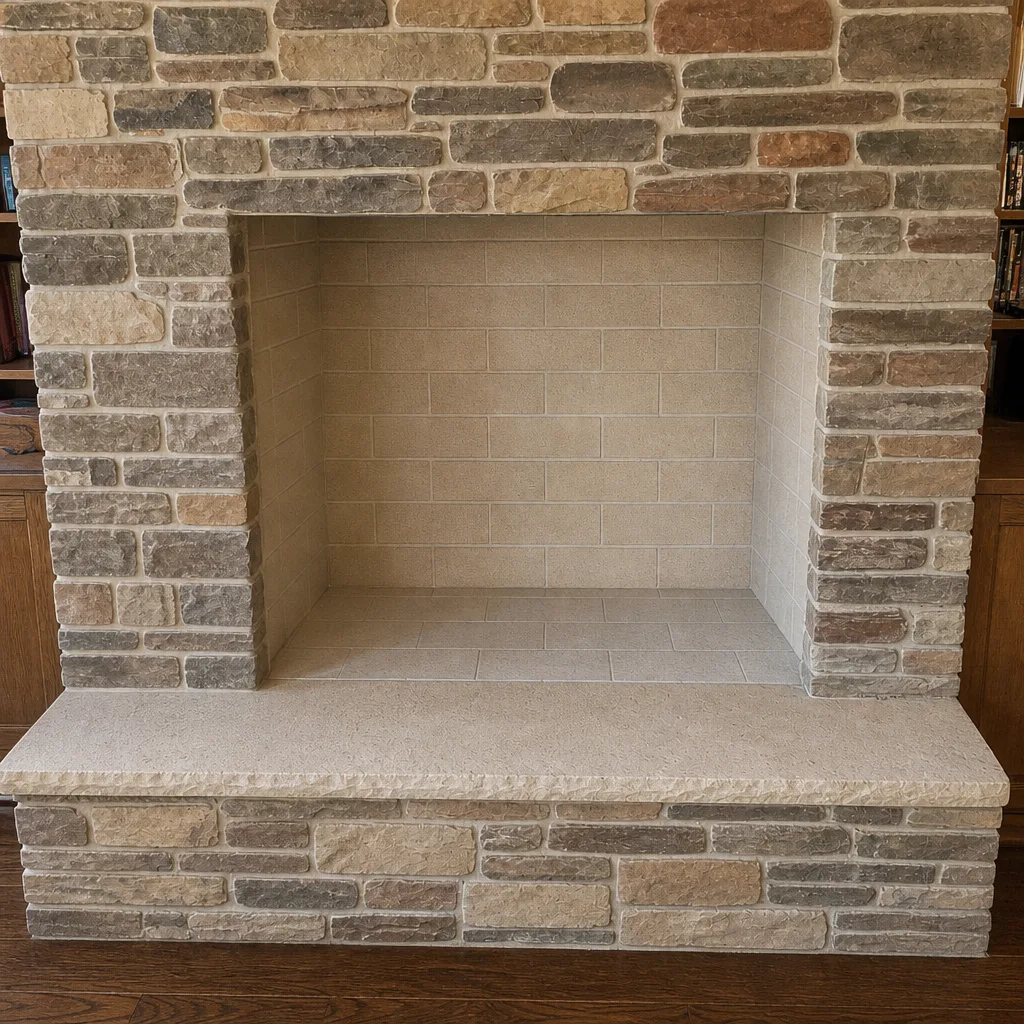 After
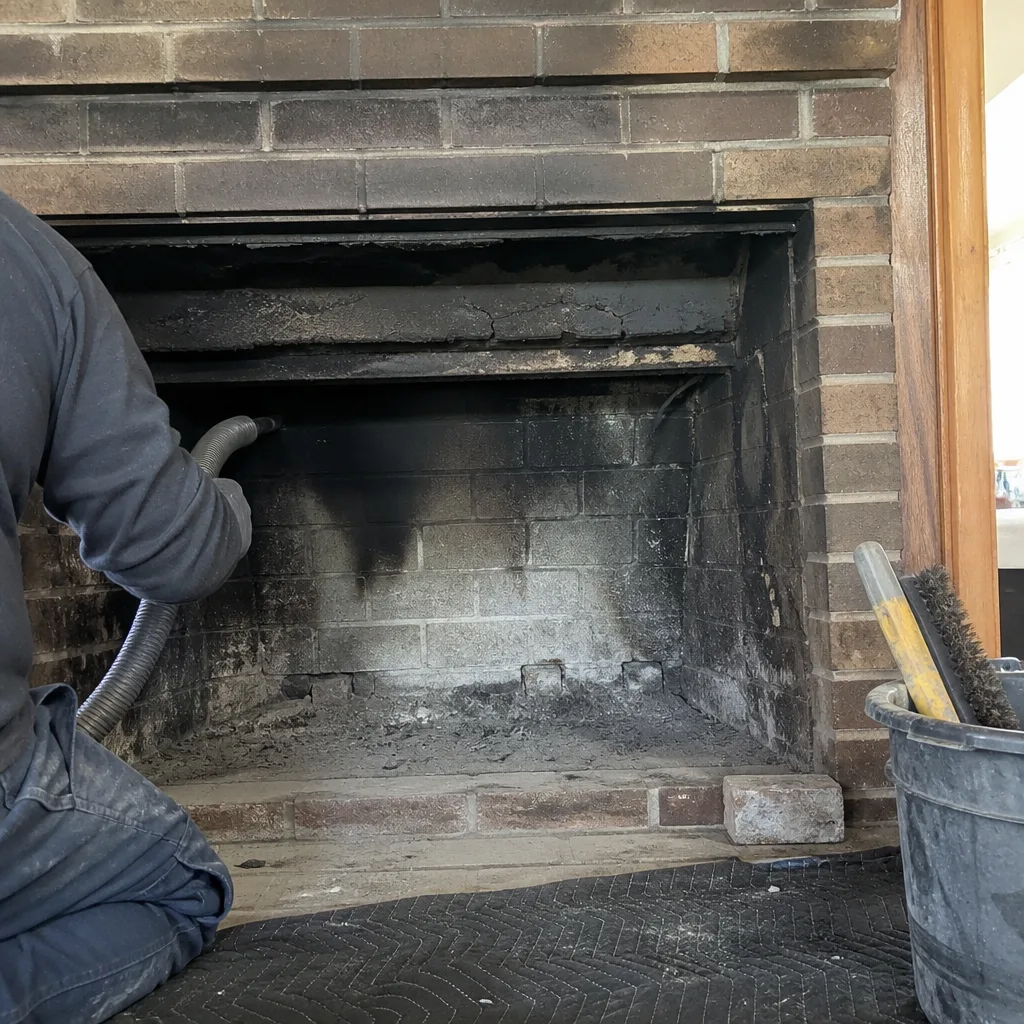 Before
 After
 Before
 After
When to Call a Professional
Call a professional chimney contractor in Parker when any of these apply: you’ve just bought the home and have no service history on the fireplace, you smell smoke in the house when the fireplace isn’t burning, you see staining or crumbling on the chimney exterior, the cap is missing or damaged, you had a chimney fire (even a small one), the fire draws poorly, or it’s been more than a year since the last sweep and inspection. Also call if you’ve noticed dampness inside the firebox – that’s a sign the crown or cap has been letting water in and the sooner it’s assessed the less masonry it will take to fix. Parker Chimney Sweep Pros offers free estimates in Parker – call (866) 947-9489. We answer 24/7. Fast dispatch from 7am to 7pm, Sunday through Friday.
Frequently Asked Questions
A chimney sweep in Parker typically runs $150-$275 for a standard masonry flue, with camera inspection adding to that if performed separately. The written estimate sets the final price, and the estimate is free. Call (866) 947-9489 for an exact quote – estimates are free.
Yes, if you’ve never had one on this chimney. The camera is the only way to see the condition of the flue above the smoke chamber – cracked tiles, offset sections, failed liner, glazed creosote. A visual check from the firebox can’t show you any of that. The inspection and photo report come with the visit, and you should see the footage.
Once a year for a fireplace in regular use, or whenever a quarter-inch of creosote has built up on the flue walls, whichever comes first. In Parker’s burn season – roughly October to April – that’s most years. New homeowners or anyone whose fireplace hasn’t been serviced in over a year should book an inspection before the first fire. Call (866) 947-9489 to book.
Creosote builds up on the flue walls and, over time, can ignite – that’s a chimney fire. It can burn quietly inside the flue for years without the homeowner knowing. It also narrows the flue and reduces draft, which can push carbon monoxide back into the house. A sweep and inspection once a year is the cheapest thing you can do to avoid both. Book by calling (866) 947-9489.
You can, but you’re taking on the risk that comes with it. A handyman can clean a flue; what they usually can’t do is perform the camera inspection, diagnose a failed liner, or carry the professional liner and crown materials the repair requires. If the sweep reveals a problem, you’ll need a specialist anyway – often at a higher combined cost and after the burn season has started.
Ask for the CSIA certification, the certificate of general liability insurance with you named as certificate holder, and a sample inspection report. A dedicated chimney company produces all three without hesitation. A generalist or an unvetted contractor typically fumbles one of the three. Also ask which liner brands they install – a specialist answers with specific names, not “whatever’s available.”
Not typically, but it’s harder to book one as October approaches. Prices are set per job by the written estimate regardless of timing. The practical recommendation is to book the sweep in late summer or early fall so the inspection is done before the first fire, and any repair has time to be scheduled without pressure. Call (866) 947-9489 – estimates are free.
The Bottom Line
Hiring a chimney contractor in Parker is a filtering exercise, not a shopping exercise. Start with CSIA certification and the insurance certificate, then ask about camera inspection, liner brands, and the report format. Read the quote for itemization and the line between what’s safe to burn and what needs addressing. Hire a specialist whose scope covers the whole system – sweep, inspection, fireplace repair, chimney repair, and cap and crown – rather than a generalist who does half of it and refers the rest. The document you want in hand before anyone climbs on the roof is the insurance certificate. Everything else is a conversation you can have once you know the person on the other end of it is operating at a professional level. From annual sweep to full liner restoration, one specialist, every chimney service.
If you’re ready to book, or just want a question answered before you do, call Parker Chimney Sweep Pros at (866) 947-9489 for a free estimate. We answer 24/7. Fast dispatch from 7am to 7pm, Sunday through Friday. We inspect before we recommend, and we’ll show you what we find – so you can make the call on your own chimney with the same information we have.
Written by the team at Parker Chimney Sweep Pros.