
Last updated November 23, 2026
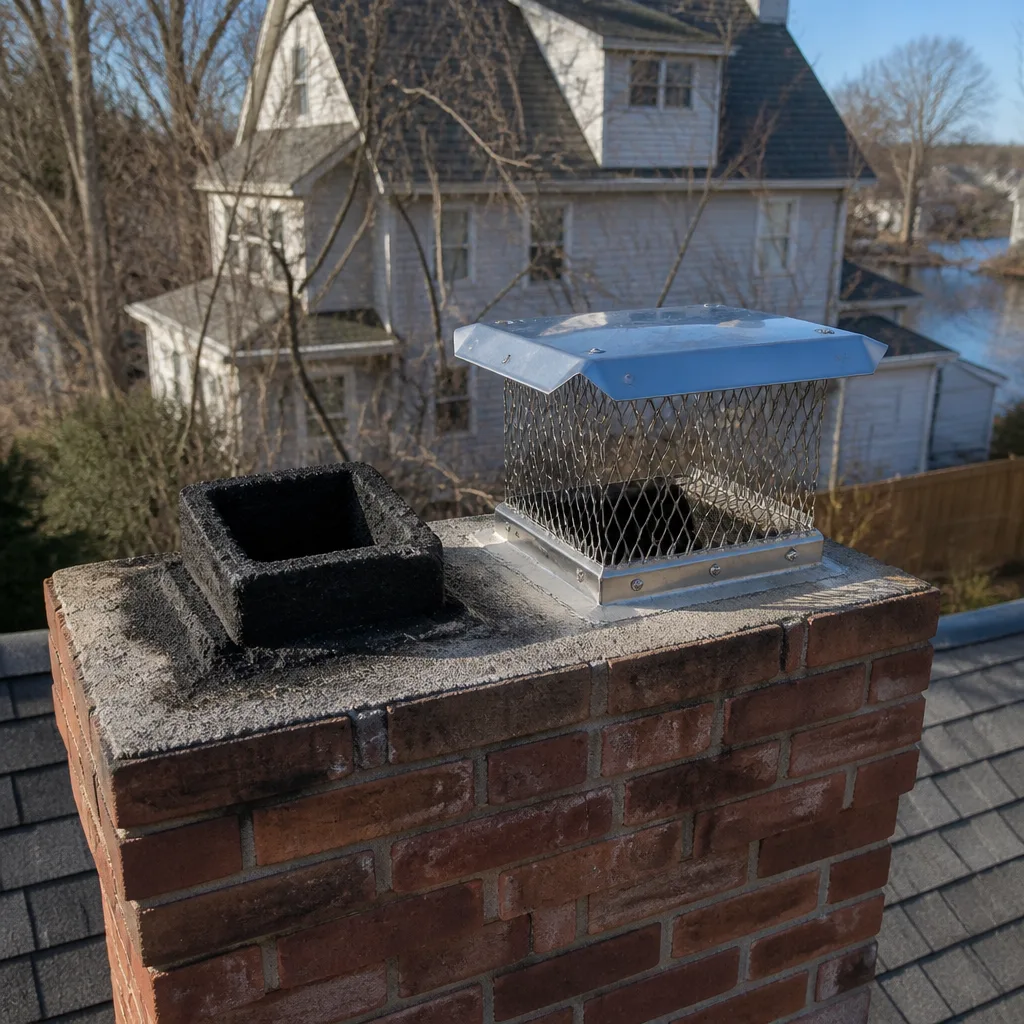 Sweep & inspection
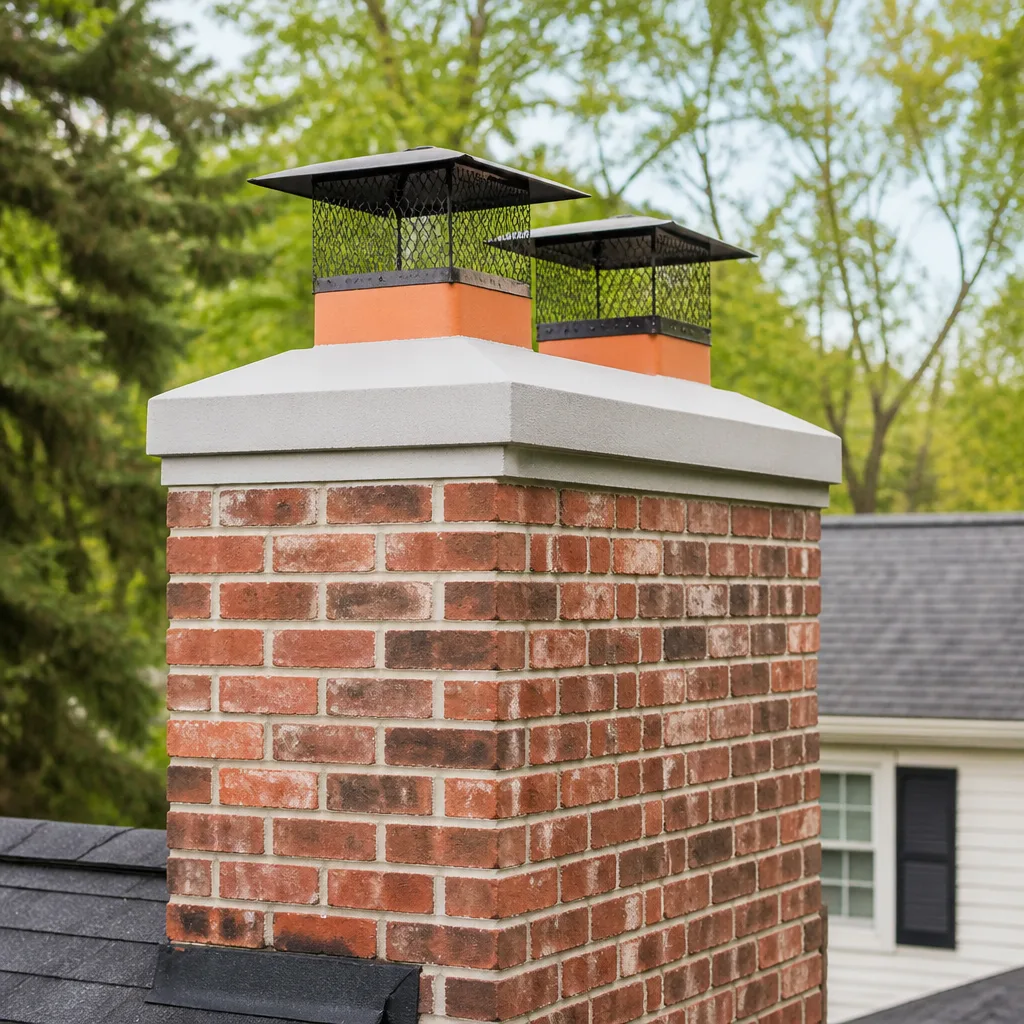 Caps & crowns
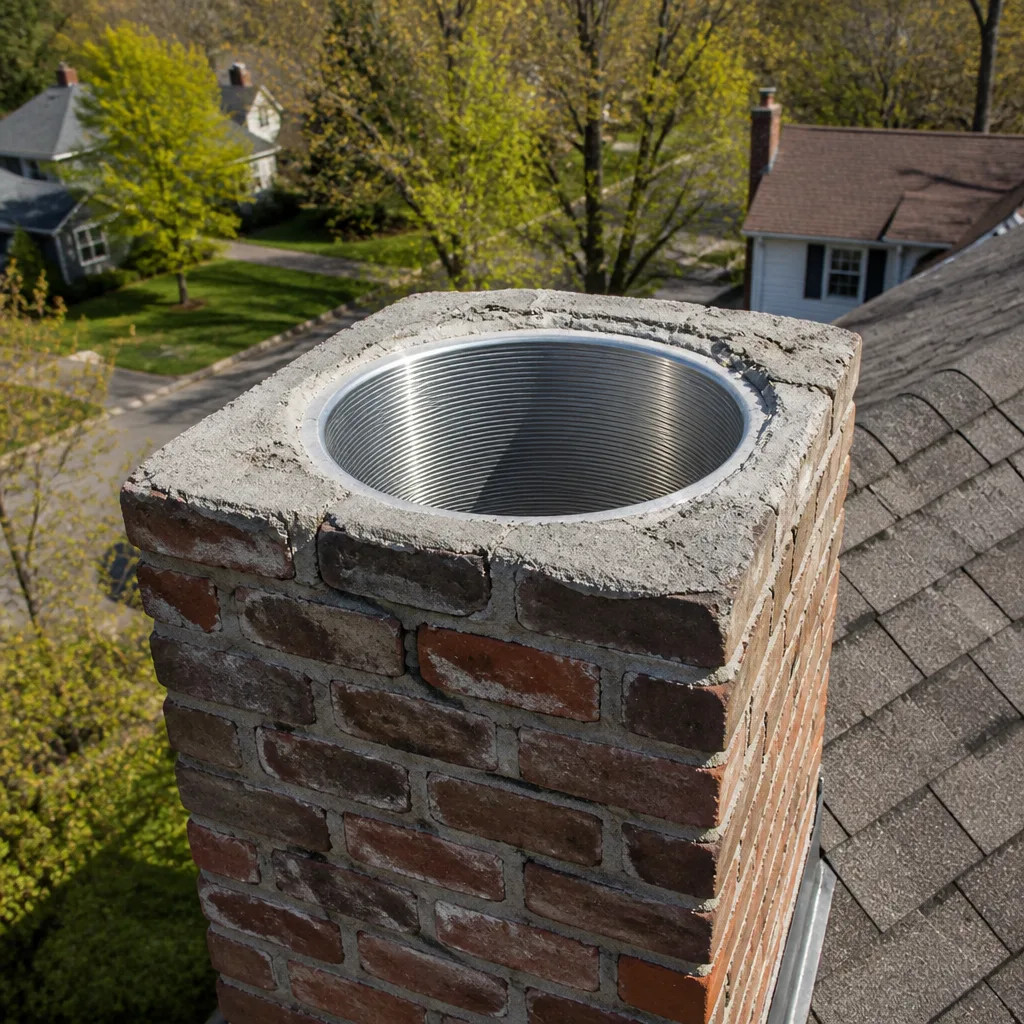 Flue relining
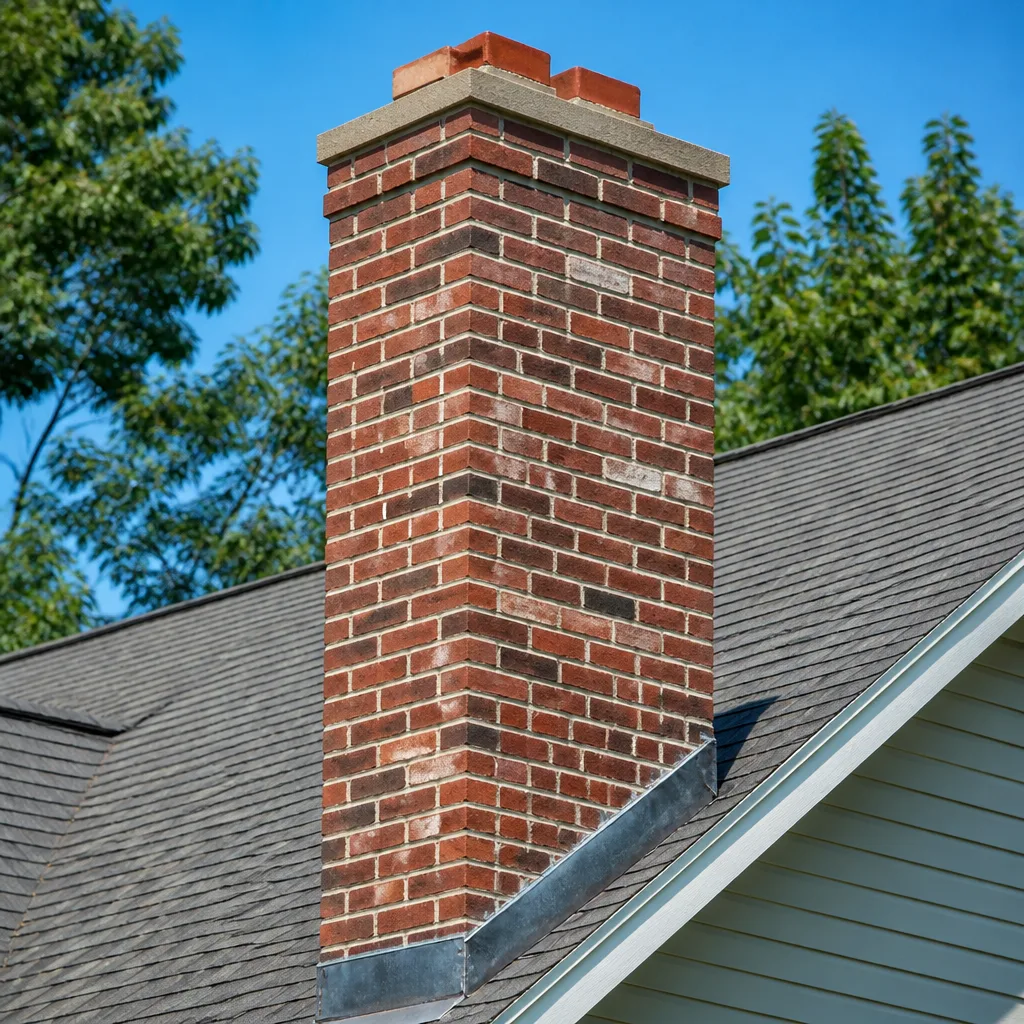 Masonry repair
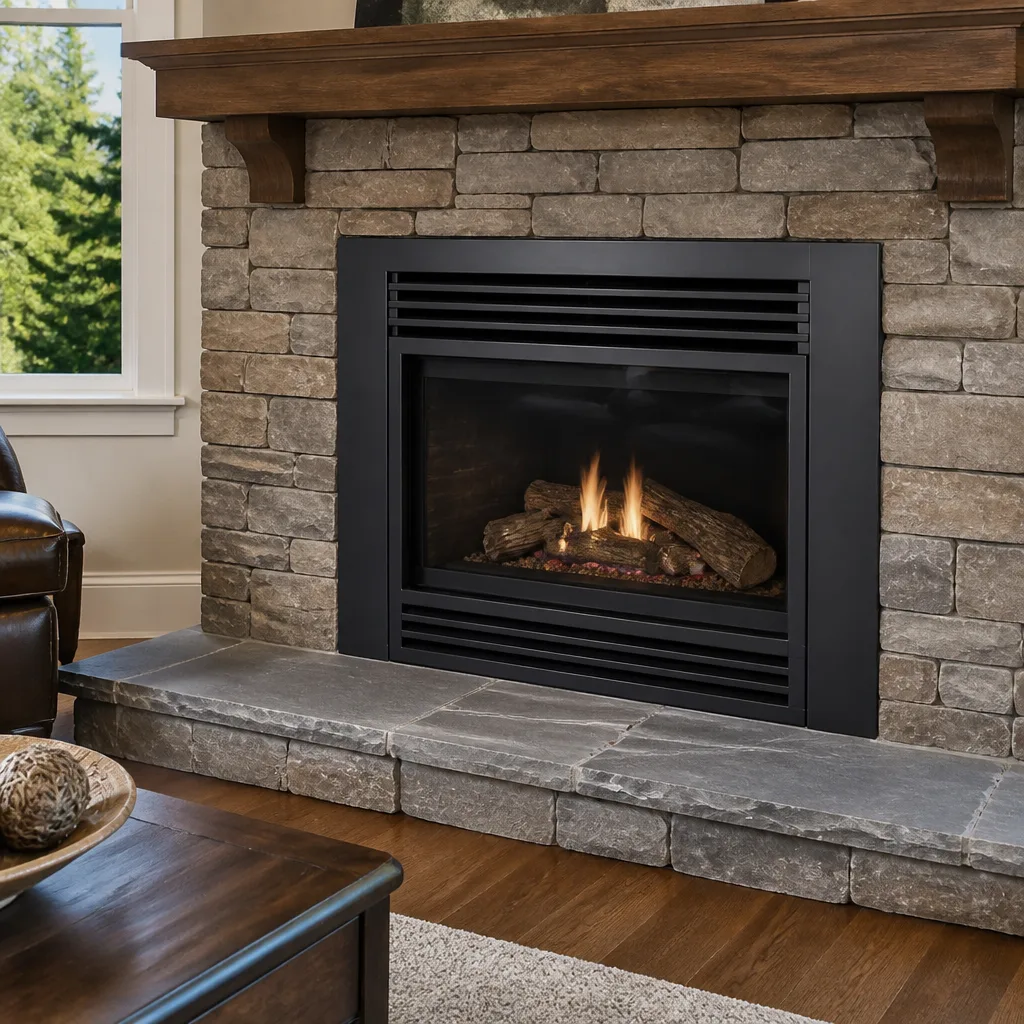 Gas fireplace service
Level 1 sweep and inspection to the NFPA 211 annual standard - flue, crown, cap, and flashing checked and photographed
Chimney sweep logs do not sweep chimneys. They loosen some creosote - which then falls where a brush and vacuum still have to collect it.
Chimney Cleaning Cost Breakdown: The Parker Homeowner’s Reference for 2026
The $89 chimney cleaning special and the $350 sweep from a chimney specialist are often not competing for the same job. They’re completing different scopes, and the difference shows up in what isn’t included. One price buys a brush run down a flue; the other buys a documented inspection, a written condition report, and a technician who can tell you whether your chimney is safe to burn this winter. Parker sits in a dry, windy corridor where temperature swings from 60-degree afternoons to hard freezes overnight, and that cycling stresses masonry in ways a coastal or mild-winter market never sees. What follows is a real breakdown of what chimney work costs in Parker in 2026, what drives each line item, and how to read a quote so you’re comparing scope instead of a number.
Quick Answer
Chimney cleaning in Parker typically costs $150 to $300 for a standard sweep, or $200 to $325 when the sweep includes a Level 1 inspection. A Level 2 video inspection with a camera and photo report runs $225 to $425. Liner cleaning on a difficult or multi-flue system pushes higher, into the $300 to $550 range. The final price depends on flue height, creosote stage, the number of flues, appliance type, and access to the roof – and the written estimate sets the final number.
Styles & brands we work with
- Sweep & inspection
- Caps & crowns
- Flue relining
- Masonry repair
- Gas fireplace service
Table of Contents
- What chimney cleaning costs in Parker in 2026
- What legitimately drives cost up or down
- What an illegitimate charge looks like
- How to compare quotes by scope, not price
- Creosote stages and why they change the job
- The real cost of skipping the annual sweep
- How Parker’s climate affects a chimney
- Frequently asked questions
What chimney cleaning costs in Parker in 2026
The first thing to understand about pricing is that “chimney cleaning” is not one service. A basic sweep removes soot and creosote from the flue. A sweep-plus-inspection adds a formal condition assessment. A Level 2 video inspection uses a camera to see the inside of the flue and liner where no brush can reach. These are three different scopes, and a legitimate quote states clearly which one you’re buying. Here’s what each tier typically runs in the Parker and Douglas County market in 2026:
| Service tier | Typical 2026 Parker range | What’s included |
|---|---|---|
| Basic sweep | $150 – $300 | Brush and vacuum of a single flue; visual check of firebox and damper |
| Sweep + Level 1 inspection | $200 – $325 | Sweep plus a full accessible visual inspection of flue, damper, crown, cap |
| Level 2 video inspection | $225 – $425 | Camera run through the flue; written report with photos |
| Liner cleaning (multi-flue or difficult) | $300 – $550 | Cleaning of a liner or multiple flues; may require roof access |
These are typical estimates, not fixed prices. Every quotation is set per job, and the written estimate you receive before any work begins is the number that stands. Nothing is billed on a surprise trip charge or a mystery line at the bottom.
We inspect before we recommend. That phrase matters here because it’s what separates a real cleaning from an upsell opportunity. When a technician from Parker Chimney Sweep Pros arrives in Parker, the visit begins with an inspection and ends with a written summary of condition and, where needed, a recommendation tied to something you can see for yourself on camera.
What legitimately drives cost up or down
Two Parker homes can both need a sweep and pay very different prices. That’s normal because the cost of cleaning a chimney is set by physical realities, not by how much someone can talk you into. When a quote comes in higher than expected, one of these factors should explain it:
- Flue height. A chimney running past the roofline of a two-story home takes longer to clean safely and often needs a full roof setup with ladders and stabilizers.
- Creosote stage. Stage 1 soot brushes out. Stage 3 glazed creosote is a hard, tar-like shell that requires a different removal approach and time.
- Number of flues. A fireplace flue plus a furnace or boiler flue means two cleaning passes in one visit.
- Accessibility. A steep-pitch roof, a chimney tucked behind a low-clearance valley, or a cap that was screwed down crooked can add setup time.
- Appliance type. A wood stove or insert cleans differently than an open masonry fireplace, and each needs attention to its own connections.
- Debris and obstruction. Nesting material, dropped mortar, or a broken flue tile means clearing before cleaning.
Each of these is a physical fact about the chimney that a qualified technician can point to and explain. When you ask why a job costs more, you should get an answer rooted in the structure of your chimney, not a vague reference to “how dirty it was.”
What an illegitimate charge looks like
There’s a version of chimney service that shows up as a very low advertised sweep price and then generates work on every visit, whether the chimney needs it or not. It’s the single most common complaint homeowners bring to us. A chimney that’s been cleaned annually and shows no change in condition doesn’t need a repair recommendation on every visit. Here’s how to spot the pattern:
- Repair recommendations on every visit. If your chimney needed a liner last year and it was done, it shouldn’t need the same work again unless something changed. A recommendation should be tied to visible evidence.
- Unspecified “treatments.” Vague chemical treatments with no clearly stated purpose and no before-and-after proof are a warning sign. Ask what the product is and why it applies to your chimney.
- Pressure to decide on the spot. A legitimate chimney specialist will show you a camera image, explain what it shows, and let you think. Work that can safely wait should be named as work that can wait.
- No written scope. If a quote isn’t in writing and doesn’t say what’s being done, it isn’t a quote worth comparing.
- A price that changes mid-job without your agreement. Real condition surprises do happen, but they get photographed and discussed before the scope changes.
The good news is that the fix is simple: ask for the camera evidence. Nothing we recommend from Parker Chimney Sweep Pros goes out without visual proof you can review yourself, and if a repair can safely wait until next season, we’ll tell you so.
How to compare quotes by scope, not price
Comparing chimney cleaning quotes by the bottom line is how homeowners end up paying twice. A $99 sweep and a $275 sweep are not the same job even when both say “chimney cleaning” on the invoice. The right comparison axis is scope. Two quotes are comparable only when they include the same work. Here’s a step-by-step way to read them:
- Write down what’s actually included. Basic brush sweep? Firebox? Damper? Cap? Crown check?
- Check whether an inspection is included, and what level. A visual Level 1 is standard with a sweep from a specialist. A camera Level 2 is a distinct line item.
- Ask whether a written report comes with it. Documentation is what lets you compare this year’s condition to next year’s.
- Confirm what happens if something is found. Is the technician authorized to explain and photograph it, or will you get a verbal “you might need a liner”?
- See whether the flue count matches. A two-flue home that got a one-flue quote is not a cheaper job, it’s an incomplete one.
- Read the fine print on disposal and cleanup. Professional service includes a sealed vacuum and hauling away what comes out.
When a quote comes in low, don’t assume you’re getting a deal. Ask what was left out of the scope. When it comes in high, ask what physical fact about your chimney is driving it. The answers tell you which company actually knows your system. You can read more about how routine cleaning works in our guide to chimney sweep service in Parker.
Creosote stages and why they change the job
Creosote is the residue that builds up inside a flue as wood smoke cools on its way out. It goes through three recognizable stages, and each one changes what the cleaning can safely address. Knowing the stages helps you understand what a technician is dealing with when they look inside your chimney:
- Stage 1: soot and light flaky creosote. Brushes off cleanly. This is what an annual sweep is designed to remove.
- Stage 2: dark, hardened, sometimes sticky deposits. Brushing takes more passes and time, and some of it adheres to the flue wall.
- Stage 3: glazed, tar-like creosote. This is the hardest material to remove and the most combustible. It signals the flue has been burning cool or wet wood, and it usually means the flue is overdue.
Stage 3 creosote is why chimney fires happen high inside a flue where nobody sees them. A chimney fire can crack a flue tile or warp a metal liner without anyone in the house noticing anything beyond a low rumble. That’s the reason the trade pushes annual cleaning: it keeps creosote from ever reaching the stage that becomes dangerous.
In our experience, Parker is a dry, windy place where many homeowners burn seasoned wood and stay in Stage 1 or 2 for a long time. But windblown debris, closed dampers, and short, cool shoulder-season fires can push a neglected flue into Stage 3 quickly. Our technicians have up to 14 years of experience reading creosote stage and matching the cleaning method to it. The right method comes before a recommendation.
The real cost of skipping the annual sweep
Skipping a $200 sweep is not saving $200. It’s deferring work that eventually shows up as structural repair. The math is easy to see once you know what each repair costs in the Parker market. The table below shows typical 2026 estimates for repair work that annual cleaning is designed to prevent:
- Reline or liner restoration: $3,000 – $7,000+ depending on flue length and material.
- Full chimney rebuild (upper section): $4,000 – $12,000 depending on the extent of water damage.
- Crown replacement: $800 – $2,500 depending on size and access.
- Flue tile replacement: $500 – $2,500 depending on how much length needs to be cracked out and reset.
- Firebox repair: $1,000 – $3,000+ depending on the extent of the mortar rebuild.
A skipped sweep doesn’t cause a rebuild on its own. The pattern is: creosote builds, the flue runs hotter and sometimes supports combustion, the flue tile cracks or warps, water gets in, the masonry spalls, and the repair cascades from the flue to the crown to the upper chimney. That’s the real cost of deferring service – not the sweep, but the trajectory. The same logic applies to chimney repair: catching it early is dramatically cheaper than rebuilding.
Any of that work can safely wait if the camera evidence shows a healthy flue. The point isn’t to scare anyone into repairs. It’s that a sweep on schedule costs a fraction of what an out-of-schedule catch-up does, and the camera tells you which camp you’re in.
How Parker’s climate affects a chimney
Parker sits in the high plains corridor east of the foothills, where the temperature can swing 40 degrees between afternoon and overnight, and wind is a constant companion. That combination is hard on a chimney in a specific way. Masonry expands and contracts through every freeze-thaw cycle, and the crown – the small concrete slab on top of the chimney – is where the stress concentrates first. A hairline crack in the crown lets water into the brick below, and repeated freeze-thaw cycles work that crack wider.
Wind matters too. The high winds Parker gets strip shingles and lift chimney caps off their mortar bed when they’ve been poorly fastened. An uncapped flue takes rain directly down the inside and offers an open door to birds and debris. That’s why cap and crown work is such a high-leverage preventive service in this market – it addresses water intrusion, which is the leading driver of long-term chimney structural damage. When we talk about the cap-and-crown category of our service, this is the reason.
If you’ve recently bought a home in Parker with a fireplace of unknown condition, a Level 2 video inspection before your first fire is the right first move. New homeowners are the people who most often discover an inherited liner problem the season they start burning. A camera run at the top of the season gives you a documented starting point.
Fireplace condition also matters for the rest of the system. Cracks in the firebox masonry, a damaged damper, or a smoke chamber that was never properly shaped will drive smoke back into the room long before the flue itself is the problem. That’s what our fireplace repair work addresses, and it belongs in the same visit as the sweep.
Frequently asked questions
A standard chimney sweep in Parker typically runs $150 to $300, with a sweep-plus-inspection running $200 to $325. Level 2 camera inspections are a separate line item at roughly $225 to $425. The written estimate from Parker Chimney Sweep Pros sets the final price, and estimates are free. Call (866) 947-9489 for an exact quote.
Only if the evidence shows it. A cracked or warped flue liner is a real problem – it lets heat and gases reach the surrounding structure and allows carbon monoxide into the home through paths that shouldn’t exist. But a liner recommendation should come with camera images you can see yourself. If the liner is intact, no. We inspect before we recommend, and we’ll say plainly when a liner can safely wait.
Once a year for a home that uses the fireplace actively, and once a year for any home with a chimney, even if it burns only occasionally. Annual cleaning catches creosote before it reaches the dangerous stage and catches small structural problems before they compound. A sweep every year is the baseline the trade uses, and it’s the right baseline in Parker’s cold-winter climate.
Creosote accumulates inside the flue until it becomes combustible, which raises the risk of a chimney fire that can crack flue tiles and warp liners without anyone noticing. Water intrusion then gets into the compromised structure, and what was a $200 sweep becomes a multi-thousand-dollar liner or masonry job. Calls for a cleaning estimate are free. Call (866) 947-9489 for an exact quote.
Often, yes. Cap and crown work is one of the five full services we perform, and a loose or missing cap is a straightforward job when the chimney is accessible. If the crown needs repair or replacement, that can usually be handled in the same visit or scheduled for a follow-up. Fast dispatch from 7am to 7pm, Sunday through Friday.
Because scope differs, not because any one quote is “the real price.” A quote without an inspection, without documentation, and without a stated flue count is not a smaller job – it’s an incomplete scope. Compare quotes on what’s included, not on the bottom line. A camera inspection and photo report belongs in a quote a homeowner can trust.
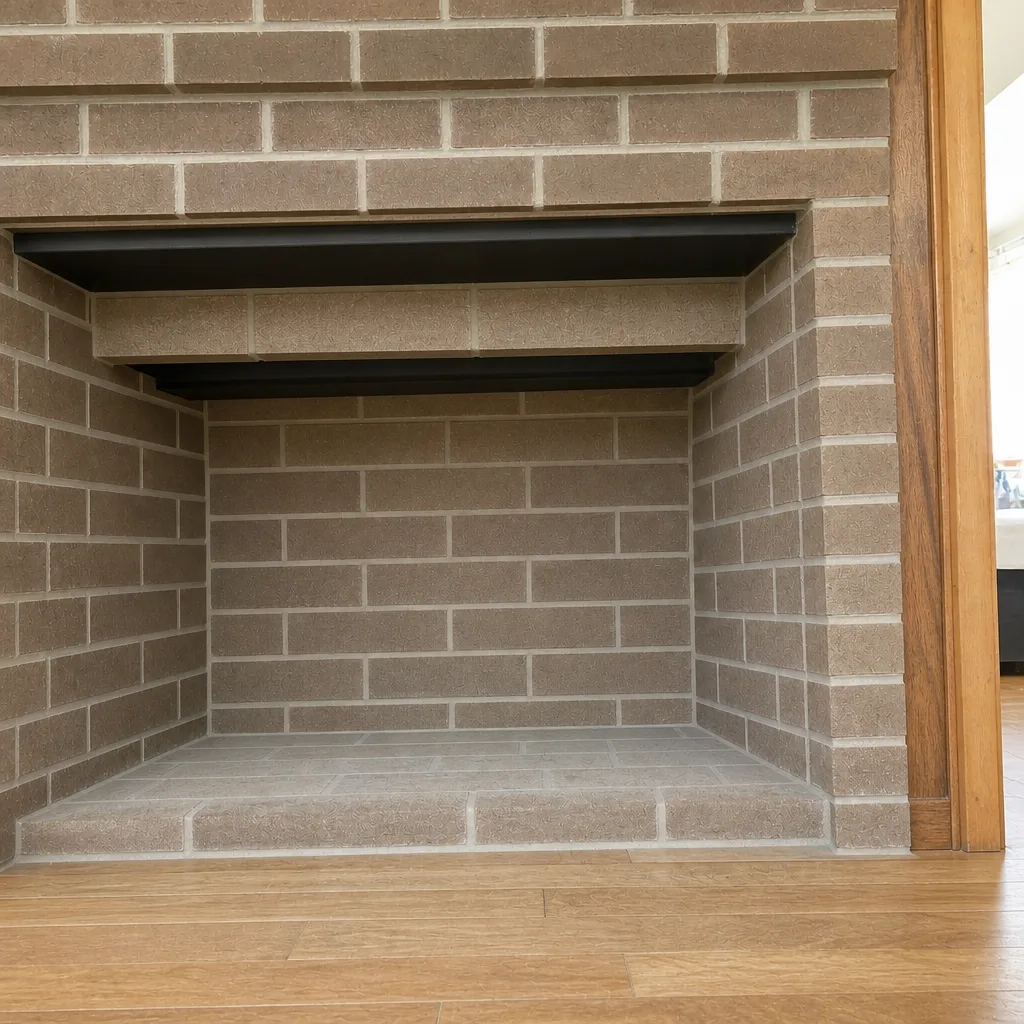
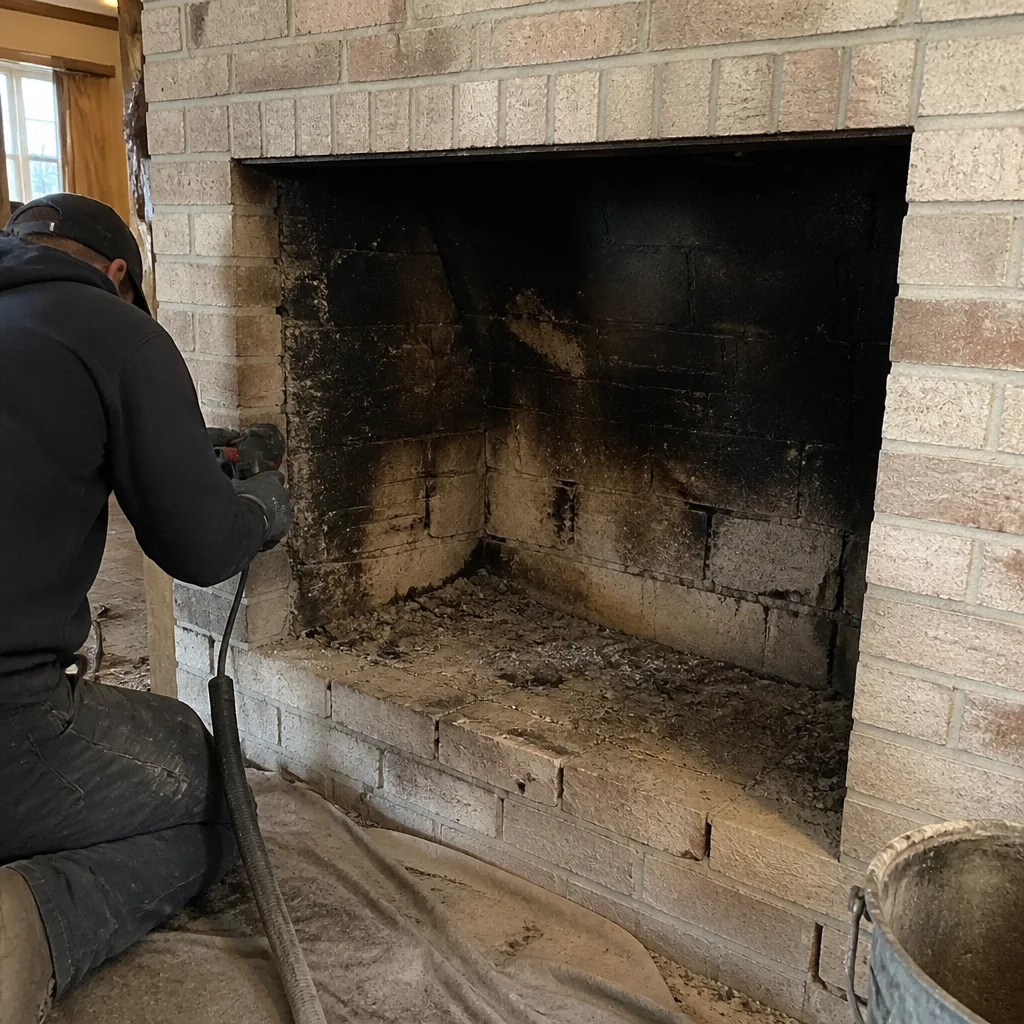
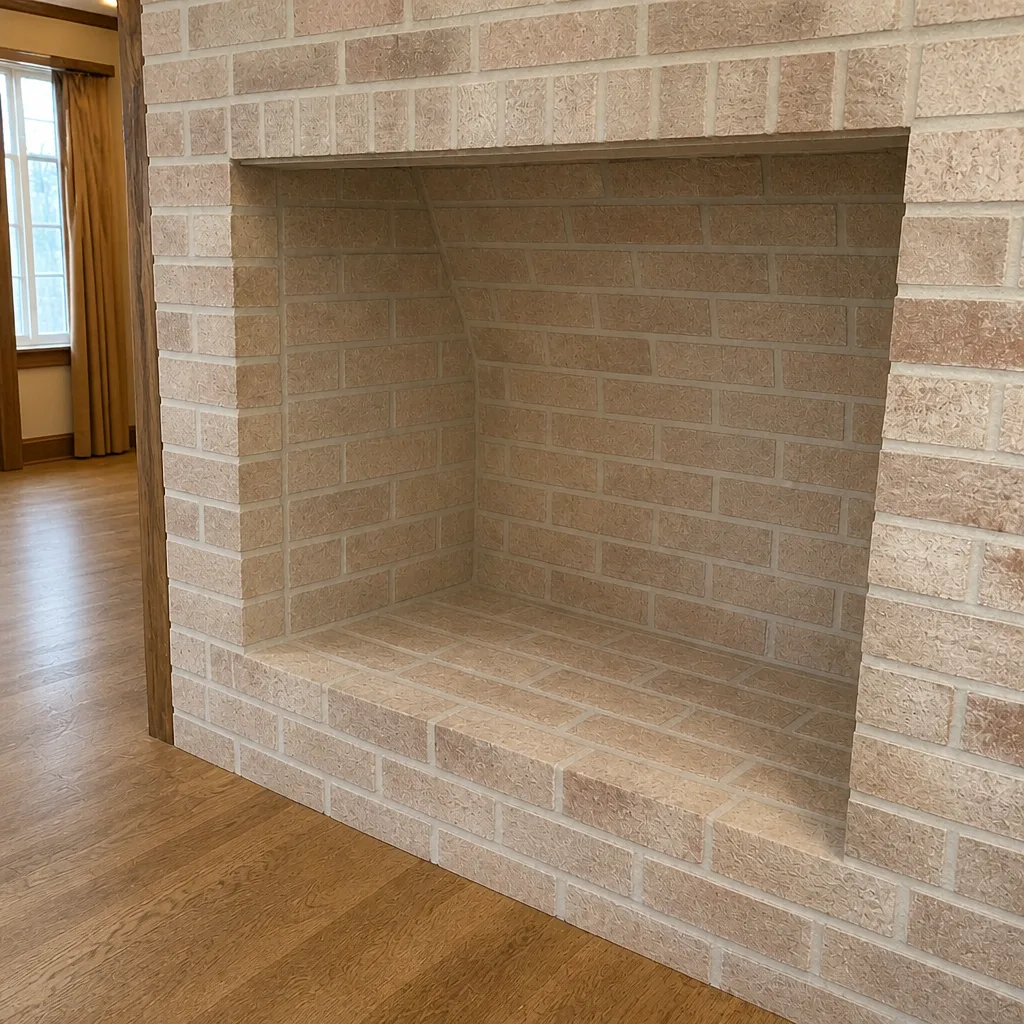
See the difference
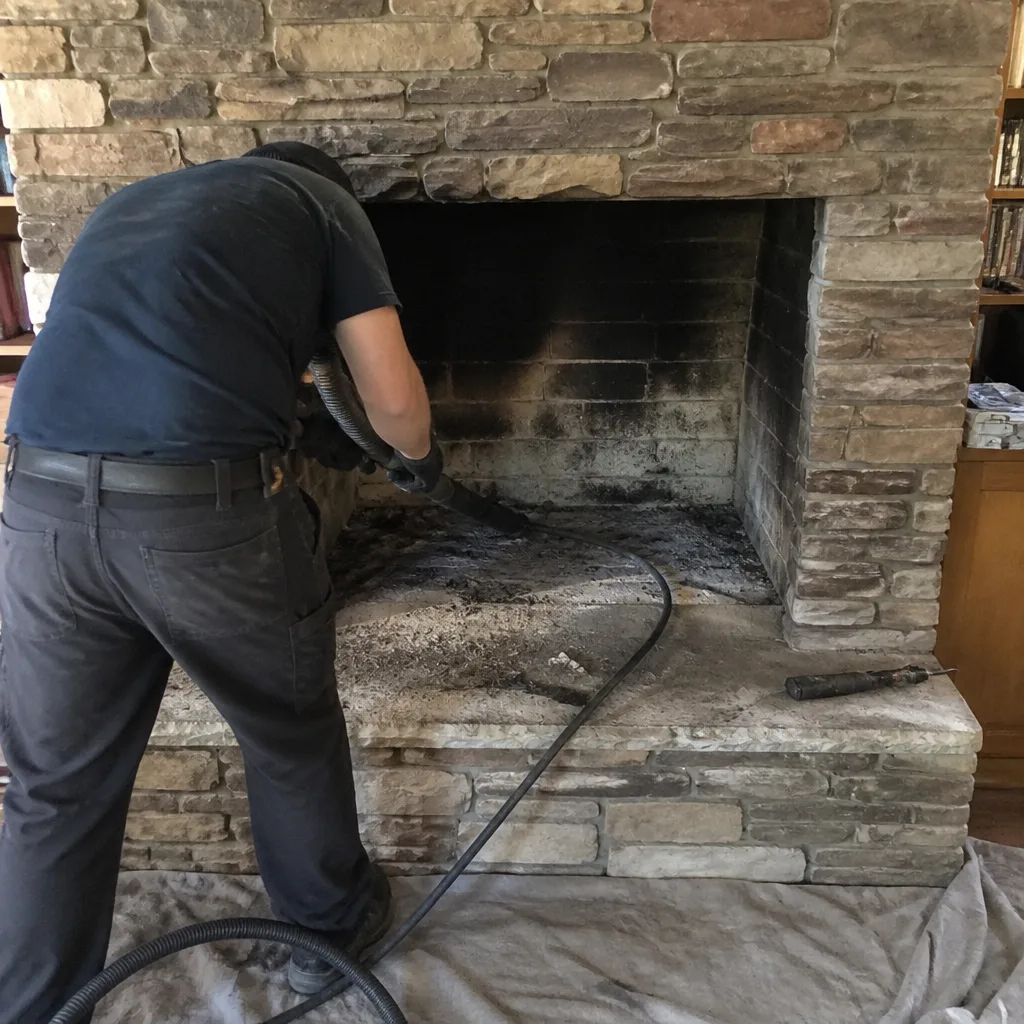 Before
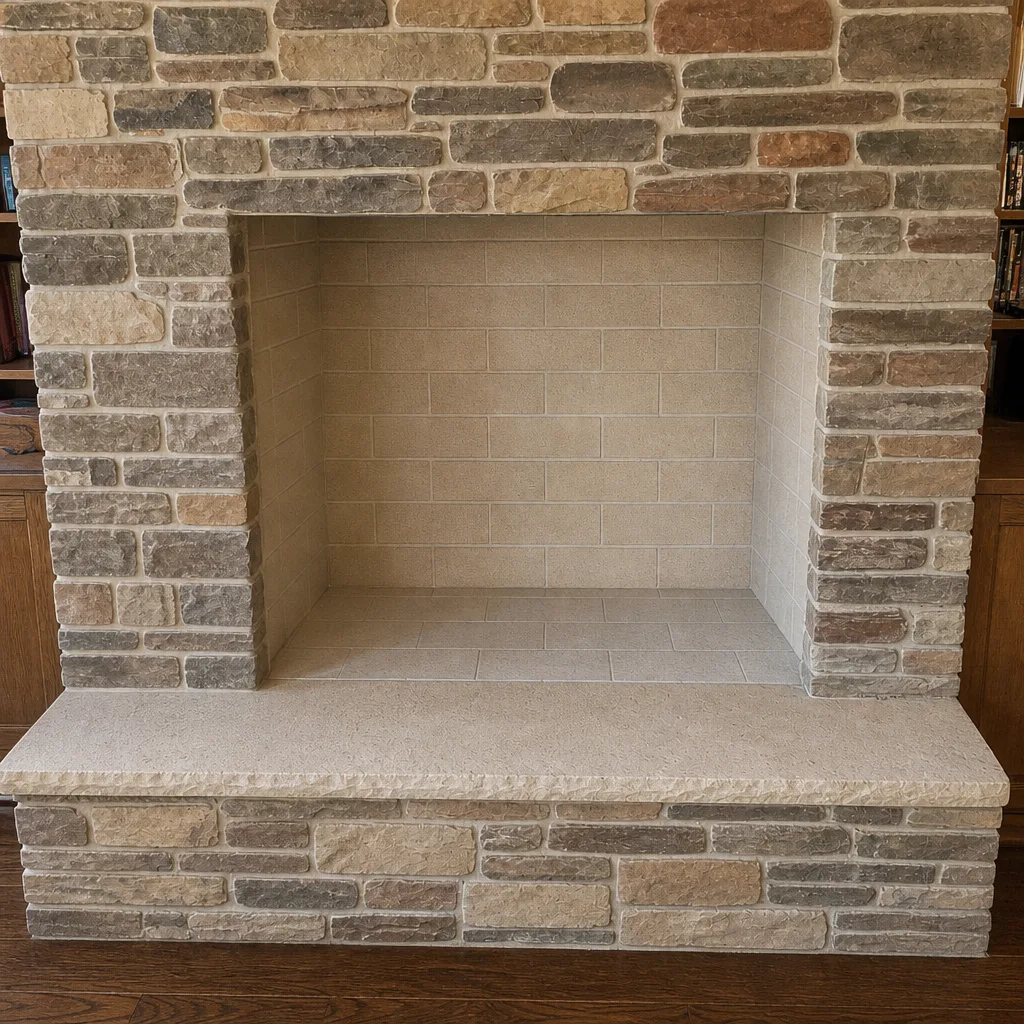 After
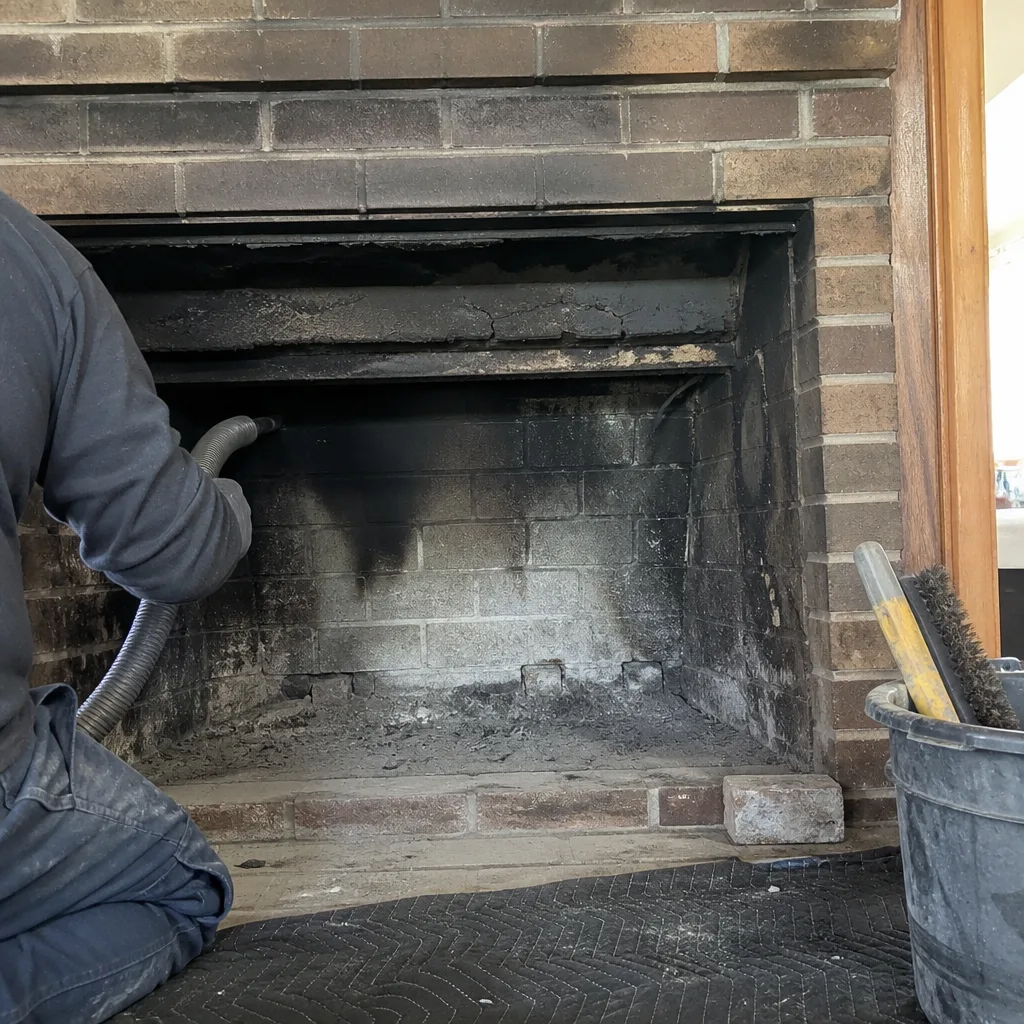 Before
 After
 Before
 After
Common Mistakes to Avoid
- Choosing the lowest headline price. The cheapest sweep is often a teaser for add-on work. Read the scope before you read the price.
- Skipping the inspection to save $50. The inspection is what turns a cleaning into a decision-grade assessment. It’s the most valuable part of the visit.
- Assuming a chimney cap is optional. In Parker’s wind and rain, a missing cap is the beginning of water damage to the crown and flue. Fixing it early avoids a rebuild later.
- Not asking for camera evidence. Any liner or masonry recommendation should come with photos of what was found. If a technician can’t show you, ask why.
- Burning unseasoned wood to save money. Wet wood burns cool, which is exactly what creates Stage 3 glazed creosote. Seasoned firewood pays for itself in cleaning.
- Waiting for smoke to come into the room before calling. Smoke back-draft is almost always a symptom of a problem the camera can see – a damaged damper, a blocked flue, or a degraded smoke chamber. Call when you first notice it.
- Assuming a handyman covers it. Chimney work is a trade of its own. A generalist may clean the flue, but liner, crown, and firebox work each need a specialist with the right brands and methods.
When to Call a Professional
Call a chimney professional when you’re preparing for the first fire of the season, when you’ve moved into a home with a fireplace of unknown condition, when smoke enters the room while burning, when you see creosote buildup on the damper or firebox, or when a storm has loosened your cap or crown. Any of these is a reason to get eyes on the chimney before you burn. High-tension springs and structural liners aren’t a place for a homeowner to improvise – a trained technician is the right person for anything past the firebox door. Parker Chimney Sweep Pros offers free estimates in Parker – call (866) 947-9489. We answer 24/7. Fast dispatch from 7am to 7pm, Sunday through Friday.
The Bottom Line
Chimney cleaning in Parker in 2026 costs $150 to $300 for a basic sweep, $200 to $325 with an inspection, and up to $425 for a Level 2 camera run. The number itself is not the point – what’s included is. The right comparison axis is scope, not price, and legitimate cost drivers are physical facts about your chimney that a specialist can point to and explain. A missing inspection, a missing flue count, or a vague recommendation is a signal of scope gap, not a bargain. One specialist, every chimney service, from annual sweep to full liner restoration, with the documentation to back it up. Call (866) 947-9489 for a free estimate. We answer 24/7. Fast dispatch from 7am to 7pm, Sunday through Friday.
Written by the team at Parker Chimney Sweep Pros.