
Last updated November 23, 2026
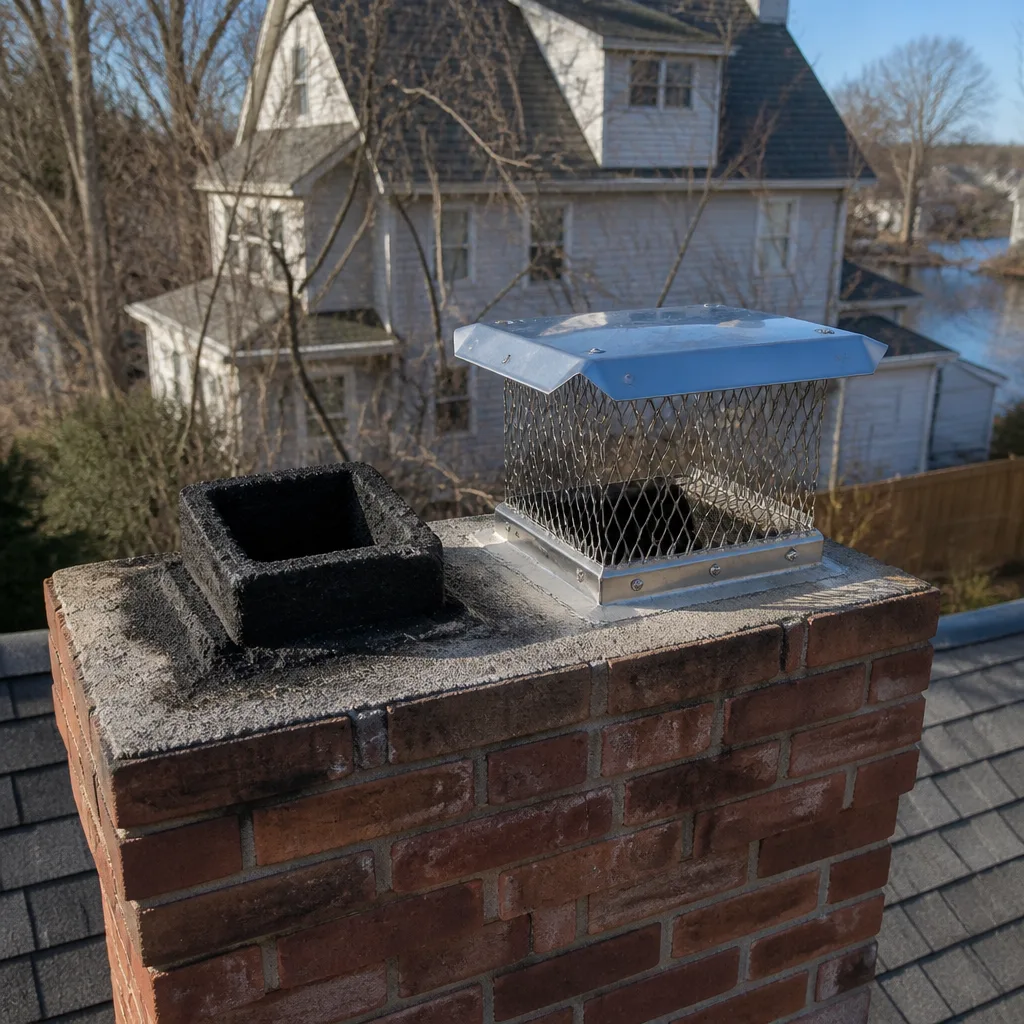 Sweep & inspection
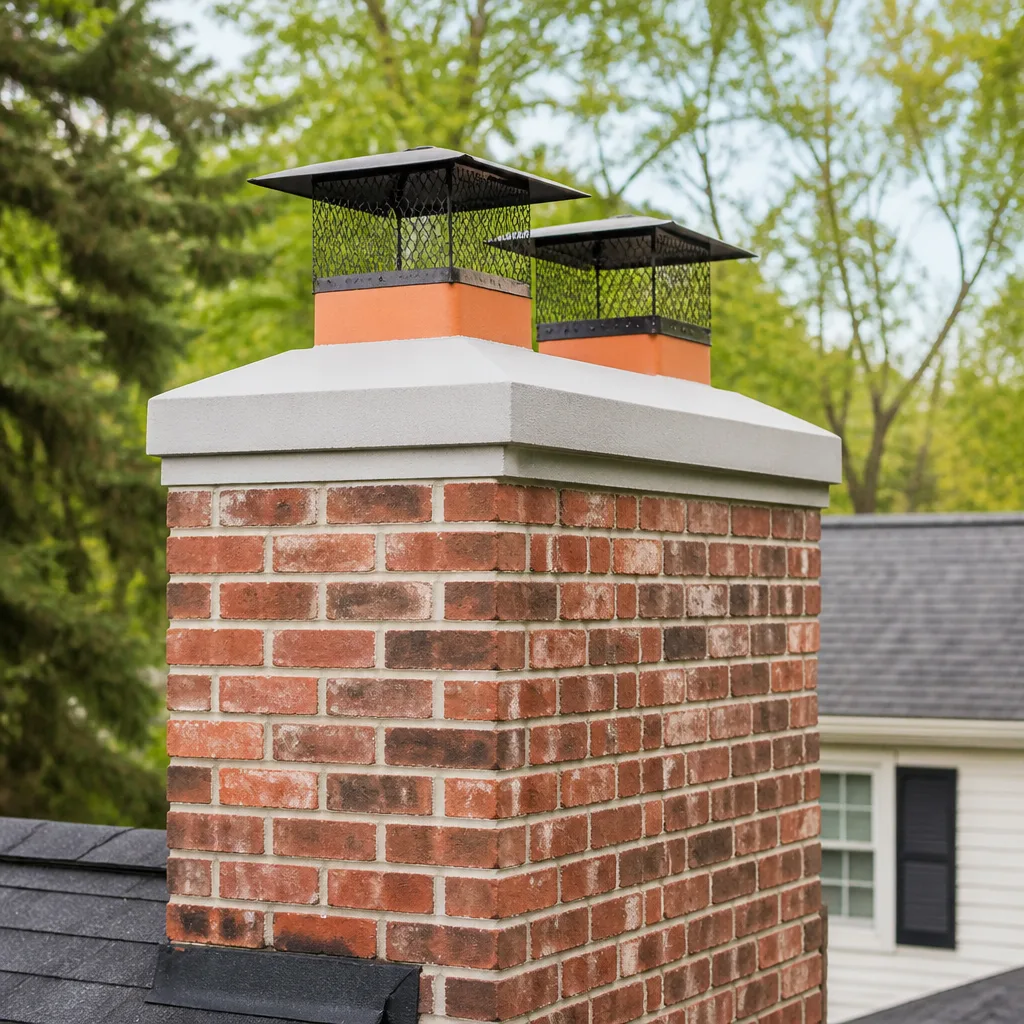 Caps & crowns
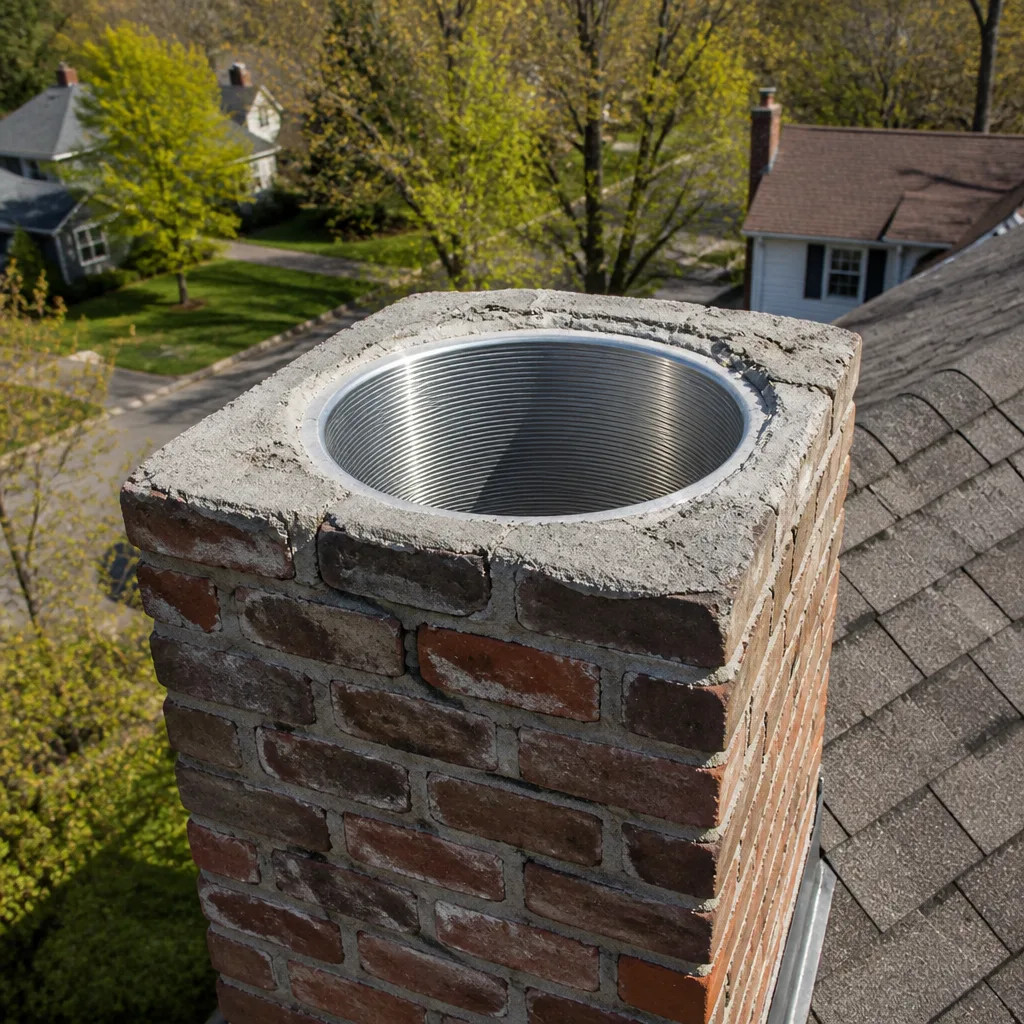 Flue relining
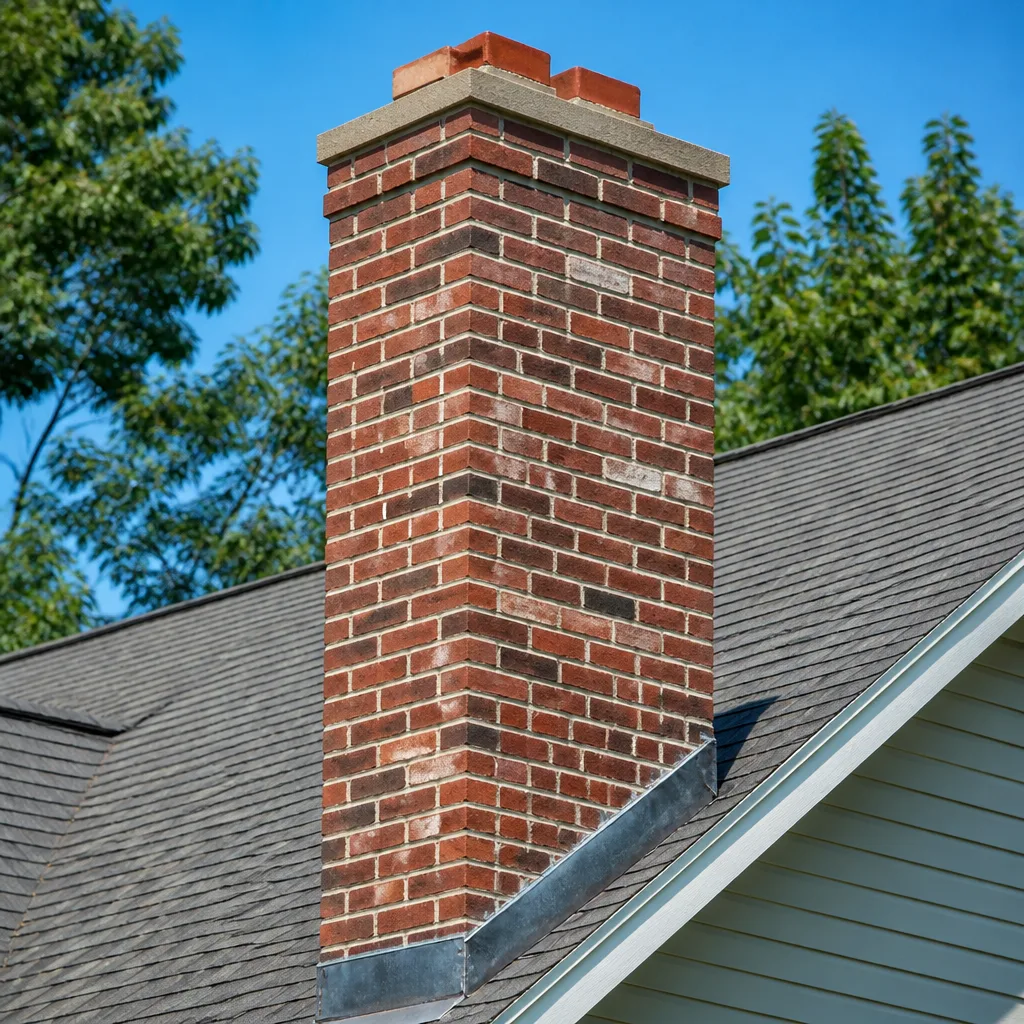 Masonry repair
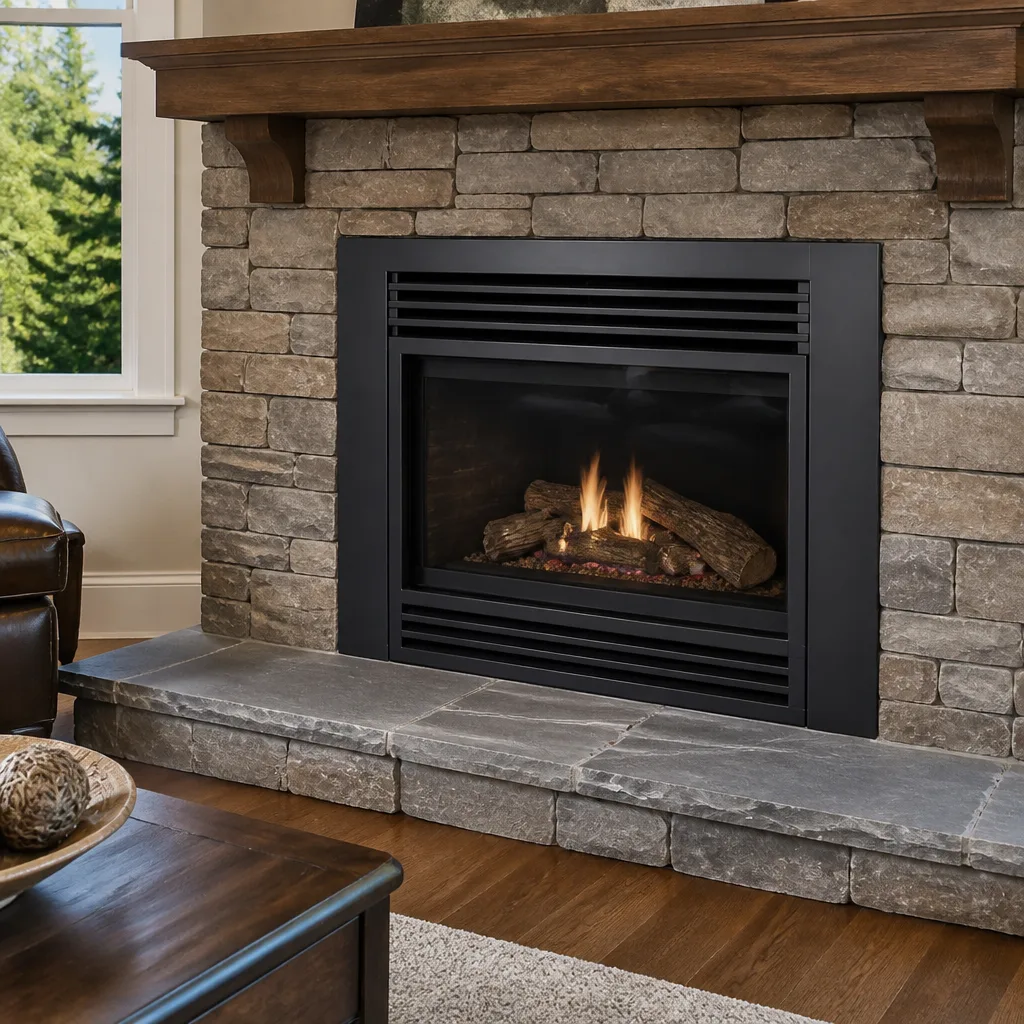 Gas fireplace service
Level 1 sweep and inspection to the NFPA 211 annual standard - flue, crown, cap, and flashing checked and photographed
Chimney sweep logs do not sweep chimneys. They loosen some creosote - which then falls where a brush and vacuum still have to collect it.
Chimney Cleaning Warning Signs: A Parker Homeowner’s Reference Guide
A strong wood smell in a room with no active fire isn’t a charm of an old house. It’s negative-pressure air pulling combustion byproducts backward through a chimney that has a specific, diagnosable problem, and that smell is telling you something the fire itself can’t. Here in Parker, where winter burns run long and the wind comes off the open ground hard enough to change draft from one hour to the next, we see homeowners misread that smell and a dozen other signals every season. Most people lump every chimney warning sign into one bucket and assume a sweep will fix it. It won’t. This guide separates the signs that mean “schedule cleaning soon” from the signs that mean “don’t light another fire until someone qualified has looked at this,” and it shows you how to tell which is which.
Quick Answer
Chimney warning signs split into two groups, and the distinction is a safety line. Signs like a light glaze of soot, a faint smoky smell, or a slightly slow draft usually mean it’s time to schedule a chimney sweep and inspection. Signs like a strong wood or acrid smell with no fire burning, smoke rolling into the room, or white or honeycomb-textured creosote inside the firebox mean stop using the fireplace and call a professional before your next fire. When in doubt, treat it as the second category and get it checked.
Styles & brands we work with
- Sweep & inspection
- Caps & crowns
- Flue relining
- Masonry repair
- Gas fireplace service
Table of Contents
- Signs to Schedule Cleaning vs. Signs to Stop Burning
- Creosote Buildup: First, Second, and Third Degree
- Structural Warning Signs Inside the Firebox
- What Each Odor Is Actually Telling You
- Smoke Behavior During a Burn
- The Five Signs That Mean Stop Now
- Why Parker Chimneys Show These Signs Differently
- What We Check Before We Recommend Anything
Signs to Schedule Cleaning vs. Signs to Stop Burning
The fastest way to protect your home is to know which warning sign you’re looking at. A creosote smell that builds over months and a smoke rollback that happens the moment you light a fire feel similar in the moment, but they sit on opposite sides of the safety line. One means maintenance is due. The other means a hidden problem, often a damaged flue liner or a blocked flue, is already affecting how the smoke leaves your house.
Here’s the split we use when we talk a Parker homeowner through what they’re seeing:
- Schedule cleaning: a thin, flaky soot coat on the firebox walls; a smoky smell that appears only after cold weather sets in; a draft that takes a little longer to establish on cold mornings; a visible buildup on the damper.
- Stop burning and call: a strong wood smell in a room with no fire; smoke entering the room when the damper is open; white, puffy, or honeycomb-textured deposits inside the firebox; a fire that won’t draw at all; any crack visible in the flue or smoke chamber.
Parker sits on the high plains east of the foothills, and the temperature swings here are part of the reason these categories get confused. A warm afternoon followed by a hard overnight freeze changes draft within hours. That flicker in draft can look like a structural problem when it isn’t, and it can also hide a real blockage behind a cold-morning hiccup. We’ve found that the safest move is to write down what you see and when, then hand those notes to a technician. Patterns matter more than a single observation. If you can’t tell which category you’re in, that’s your answer: treat it as a stop-burning sign and get an inspector in before you burn again.
Creosote Buildup: First, Second, and Third Degree
Not all creosote is the same, and the difference between the three stages determines what kind of cleaning a Parker chimney actually needs. First-degree creosote looks like a thin, flaky soot that brushes off readily. Second-degree creosote has a crunchy, sometimes tar-like texture and takes more work to remove. Third-degree creosote is dense, glazed, and puffy, and it’s the grade that carries the real chimney fire risk.
Here’s how we distinguish them in practice:
- First degree: a light dusting of soot, often grey or brown, that wipes off with a light scrub. This is what most routine annual cleaning addresses.
- Second degree: flaky or crusty deposits that need scraping and a stiff brush. Buildup this thick usually means the chimney hasn’t been cleaned in a while or the wood being burned has been too green.
- Third degree: a glazed, puffy layer with the look of honeycomb or a shiny tar coat. This is what ignites in a chimney fire and it doesn’t brush off with a standard sweep.
If you see the third-degree pattern inside your firebox or up through the flue opening, treat it as a stop-burning sign, not a cleaning-soon sign. A glazed creosote layer is fuel, and a hot fire next to it can ignite it. In our experience, third-degree creosote calls for more than a sweep. HeatShield ceramic resurfacing is one option we can offer for some liner conditions. The right response depends on what the camera shows, so nothing gets recommended until we’ve inspected and can show you the photo evidence. If your last cleaning was a few seasons ago and you’re now seeing glaze, call (866) 947-9489 and let a technician take a look before your next fire.
Structural Warning Signs Inside the Firebox
Some of the most serious chimney problems don’t show up as dirt. They show up as damage to the structure that carries the smoke out of your home. These signs are easy to miss because they sit behind soot and shadow, but they matter more than any buildup stage.
- Cracks in the firebox walls: hairline fractures or loose bricks that suggest the heat-refractory masonry is failing.
- Gaps at the smoke shelf or smoke chamber: the sloped area above the damper is where turbulence begins, and cracks here can send smoke back down into the room.
- A cracked or separated flue liner: the clay tile or liner that lines the flue is what keeps heat away from the framing of your house. Visible gaps or breaks are a stop-burning sign.
- Rust or staining on the firebox walls: often a sign that water is getting in from above, usually at the cap or crown.
- Crumbling mortar between the firebricks: where the joints have worn away, the firebox is losing integrity.
These are the signs a general handyman tends to miss and a dedicated specialist is trained to catch. When we inspect a Parker fireplace, we use a camera to see the full flue run, not just what’s visible from the hearth. We show you the photos and walk through what each one means. That’s the point of inspecting before recommending: you should be able to see the evidence for any repair before you agree to it, and you should know plainly when a repair can safely wait. Tile repair on a crown or a cracked cap can often be scheduled with some flexibility. A breached flue liner cannot. Our fireplace repair work usually starts with that inspection so we know exactly what’s failing before we commit to a fix.
What Each Odor Is Actually Telling You
Chimney smells are diagnostic. They tell a trained technician where to look, and they tell a homeowner whether it’s urgent. Four smell patterns come up again and again in Parker.
- Musty or damp smell: typically points to water intrusion somewhere above the damper. The usual suspects are a missing or damaged chimney cap or a crown that’s letting rain and snowmelt seep into the flue lining. This is a stop-and-check sign, because water damage compounds.
- Smoky smell at rest (no fire): a wood smell in a room with no recent fire usually means a negative-pressure problem, an open flue damper, or a draft reversal pulling air down the chimney. It can also point to creosote off-gassing in warmer weather. It’s worth a look before you burn again.
- Acrid smell during a burn: a sharp, tar-like smell while a fire is going is often a sign of second- or third-degree creosote being heated. That’s a stop-burning sign.
- Chemical or exhaust smell: any smell like car exhaust or solvent near a fireplace or furnace flue is a reason to stop using the system and call. Carbon monoxide has no smell, so a distinct odor with a combustion source nearby should always be treated seriously.
The Parker climate adds a twist. Homes here tend to be tight and well-sealed, and a sealed house makes negative pressure more likely, which means smells that seem to come from nowhere often come down the chimney. The good news is that the way to tell the difference is straightforward: a professional can measure draft and check for leakage. Until that happens, treat any acrid smell during a burn as a stop signal. Textures, stains, and smells are covered in the same inspection visit, so it’s one appointment to get answers rather than several.
Smoke Behavior During a Burn
How smoke leaves the firebox is one of the clearest signals a chimney is working correctly, or isn’t. Three smoke patterns tell you different things, and only one of them is benign.
- A little white smoke at startup that clears: normal. A cold chimney takes a minute or two to establish draft.
- Delayed draw: if the fire takes noticeably longer than it used to before smoke starts leaving through the flue, something is restricting the path. That could be a partial blockage, a colder-than-normal flue, or a damaged liner changing how air moves.
- Smoke rollback or back-puffing: smoke that spills out of the fireplace opening into the room instead of up the chimney. This is a stop-burning sign. It can indicate a blocked or damaged flue, a smoke chamber in poor repair, or a pressure problem in the house.
Parker’s geography matters here in a way homeowners often don’t realize. Strong, gusty winds off the plains are common, and wind can create pressure changes that push smoke back down the chimney even in a system that’s in good working order. But persistent rollback that keeps happening when the wind isn’t unusually strong is a structural signal, not a weather one. A chimney cap with the wrong open-area ratio, or a cap that’s been damaged by hail or ice, also changes how exhaust leaves the chimney. We check the cap alongside the flue during any inspection, because the two work together. If your Parker home has had recent hail, wind, or a heavy snow load, it’s worth having the cap and crown looked at before the heating season begins.
The Five Signs That Mean Stop Now
These five signs are a line, not a suggestion. Each one points to something that could put your home at risk if you light another fire before a technician sees it. If you see one, don’t clean and don’t “just try it once.” Close the damper, put the ashes out, and call.
- Smoke rolling into the room with the damper open: this is the clearest sign of a restricted or damaged flue path.
- A strong acrid or tar smell during a burn: points to glazed or second- to third-degree creosote being heated, which can ignite.
- Visible cracks, gaps, or separated sections in the flue liner or firebox masonry: a breach here lets heat reach building materials that aren’t rated for it.
- White, puffy, or honeycomb deposits inside the firebox: the signature of the most dangerous grade of creosote.
- Any sign of a past chimney fire (warped metal parts, cracked liner tiles, puffy creosote, or a smell of burnt creosote that doesn’t clear): a fire that happened once can happen again harder.
We’re careful about saying this: caveats matter. A single puff of smoke when you first light a cold fireplace doesn’t automatically mean the system is unsafe, and a musty smell in a house closed up all summer isn’t a fire hazard by itself. But those five signs are different. They’re the ones where waiting a week to schedule a cleaning can hurt. If you can’t tell whether what you’re seeing is on this list, treat it as if it is. Call us and we’ll help you sort it out over the phone. There’s no charge for the conversation and no charge for the estimate.
Why Parker Chimneys Show These Signs Differently
Chimneys in Parker age on a different timeline than in most of the country, and the local climate is the reason. Cold, dry winters on the high plains mean the flue spends months cycling between warm fire and cold tile, and that temperature swing stresses masonry joints and liner seams. Add in summer hail and spring wind, and the exterior of a chimney takes real wear here.
Parker neighborhoods like Stonegate, Canterbury, and Sierra Ridge are a mix of newer construction and houses now in their second or third decade of use, and that mix produces different warning signs. In newer homes, we tend to see water-driven damage at the crown and cap before buildup becomes a serious issue, because the chimney got a lot of its wear from weather rather than from heavy use. In homes built in the 1990s and 2000s, original clay tile liners often show cracks from thermal cycling, and that’s the structural sign that matters most.
There’s also the wood factor. Many Parker homes burn whatever is available, and if that wood isn’t well-seasoned, it produces more creosote, more smoke, and faster buildup. A homeowner who’s burning unseasoned wood and seeing smoky smell at rest has a real warning sign on their hands whether or not the chimney was cleaned recently. This is a big part of why we lean on Parker Chimney Sweep Pros as our whole-system approach. A routine sweep finds buildup. An inspection finds the structural problem under it. You need both to know what to do next.
What We Check Before We Recommend Anything
Every warning sign in this guide triggers the same process when a technician arrives. The goal isn’t to sell you a repair. It’s to confirm, with evidence you can look at, what’s actually happening inside your chimney before anyone commits to a plan.
- Exterior walk-around: cap, crown, flashing, and any visible masonry damage.
- Firebox inspection: firebrick, mortar joints, smoke shelf, and damper.
- Camera run of the flue: reveals creosote grade, liner cracks, and blockages that aren’t visible from below.
- Draft test: measures whether the chimney is drawing correctly and whether negative pressure is a factor.
- Photo report: shows the homeowner what the technician saw, at each stage of the inspection.
If the findings point to a liner problem, we discuss options based on what we carry. DuraFlex flexible liner systems are one option for full relining. HeatShield ceramic resurfacing can preserve a liner that still has integrity. Gelco and Olympia Chimney components cover the caps and replacement parts side of the work. The written estimate sets the final price, and the estimate is free. Our technicians have up to 14 years of experience and can walk you through the photo report in plain language. Nothing gets recommended without evidence you can see, and if a repair can safely wait, we say so. That’s what we mean when we say we inspect before we recommend.
Common Mistakes to Avoid
- Treating every sign as “schedule a sweep” and burning one more fire. The five stop signs on this list aren’t a cleaning issue. Using the fireplace once more before a technician sees it can turn a repairable problem into a dangerous one.
- Assuming a routine sweep covers structural problems. A sweep removes creosote. It doesn’t evaluate liner integrity or smoke chamber condition. If your warning sign is a crack or a gap, a standard cleaning isn’t the answer.
- Ignoring the cap and crown until water damage shows up inside. Water is the most common driver of long-term chimney deterioration, and the fix is usually the cap or crown. If you’ve seen a musty smell or stain, don’t wait for the next burn season.
- Burning unseasoned or damp wood to save on cost. In Parker’s climate, wood can look dry on the outside and still be wet inside. Wet wood produces more creosote and more smoke, which accelerates every sign in this guide.
- Skipping the annual inspection because last year’s cleaning seemed fine. Conditions change. A liner that looked good last winter can crack during a single hard freeze, and the warning sign won’t always appear before the next fire.
- Hiring a generalist who treats the chimney like a duct. A handyman can sweep a flue. Diagnosing the difference between first-degree and third-degree creosote, or spotting smoke chamber damage, takes a chimney specialist.
- Waiting until the first cold snap to call. Parker homeowners all tend to get the same idea at the same time. If you’ve noticed any warning sign, get the inspection booked before the heating season rush.
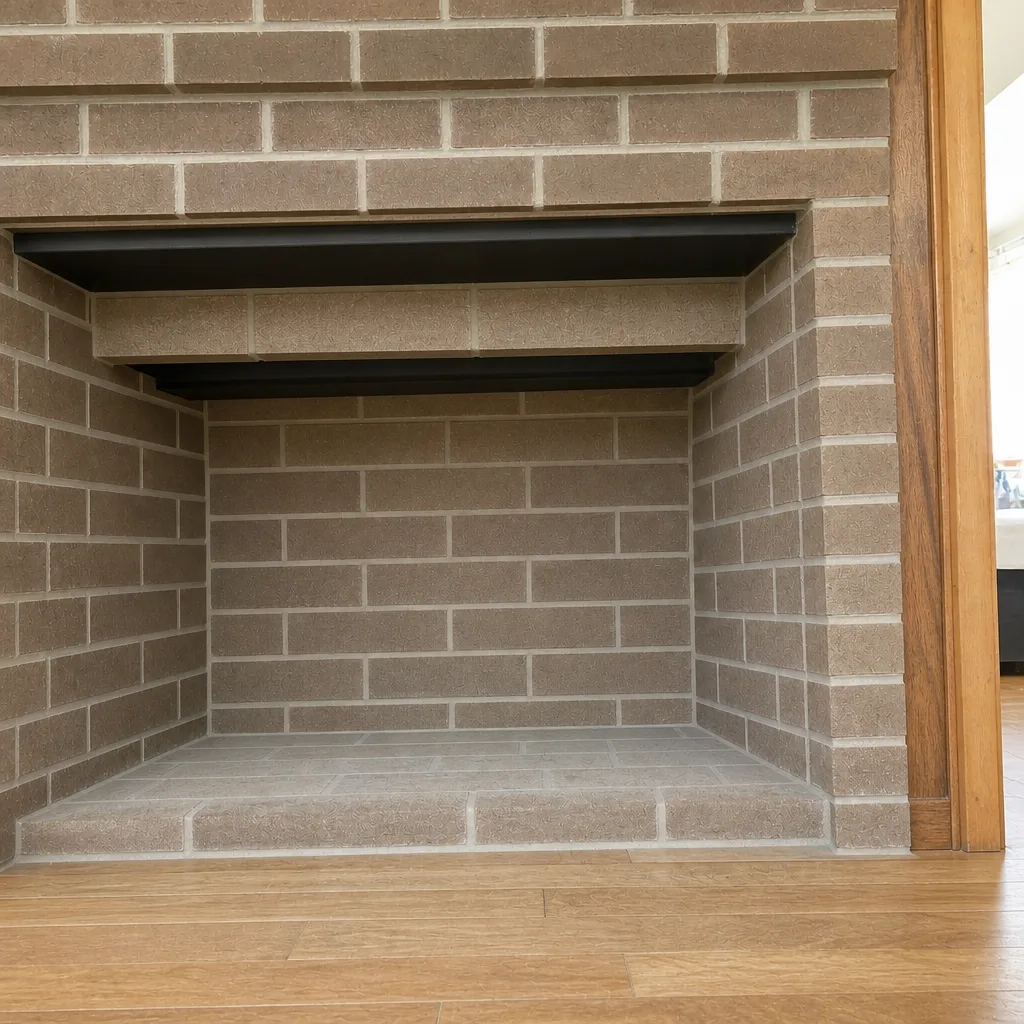
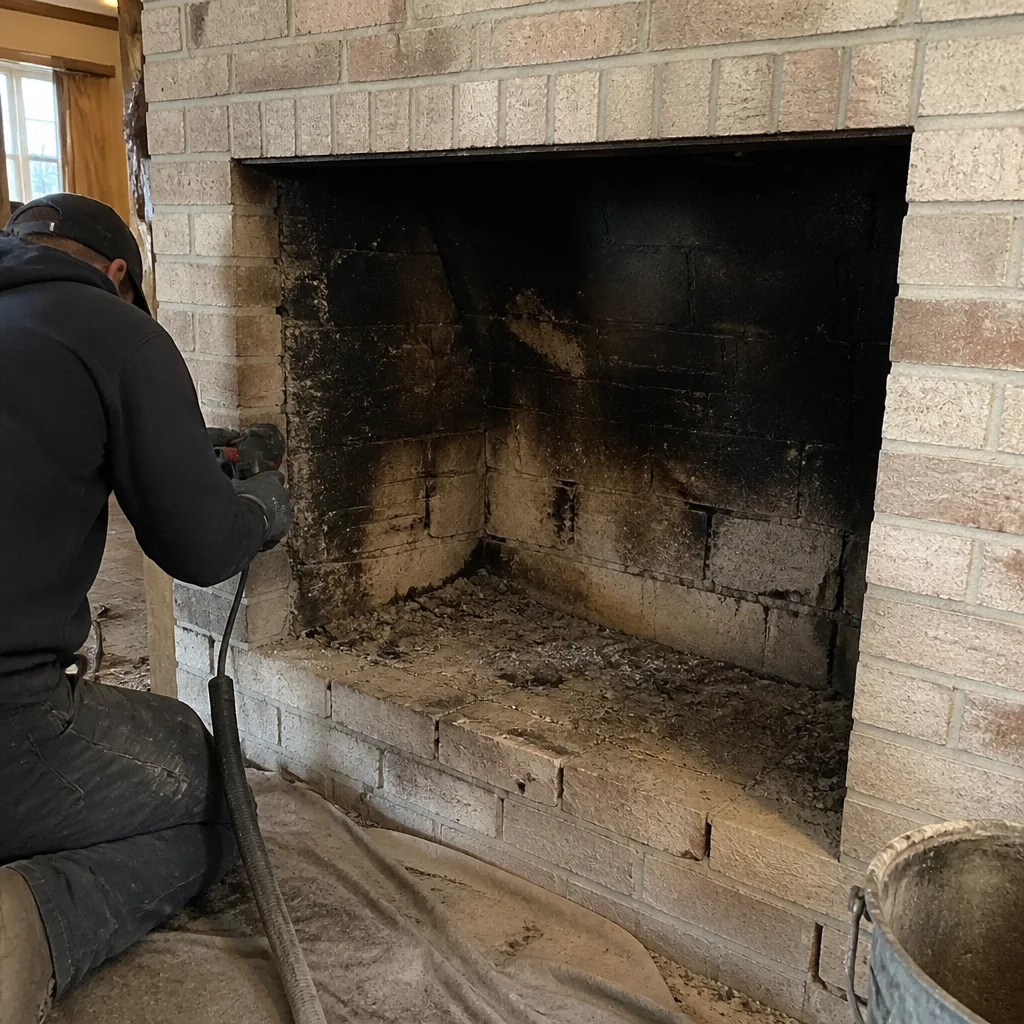
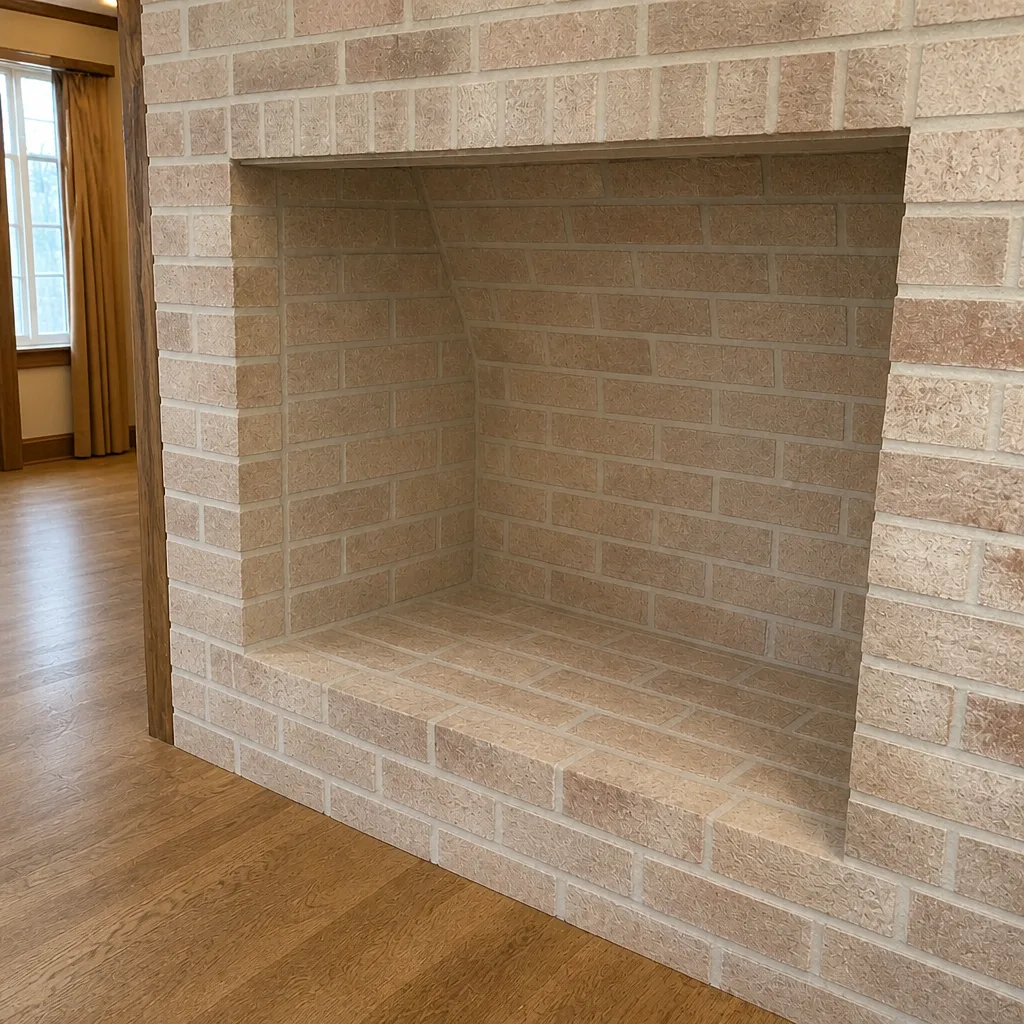
See the difference
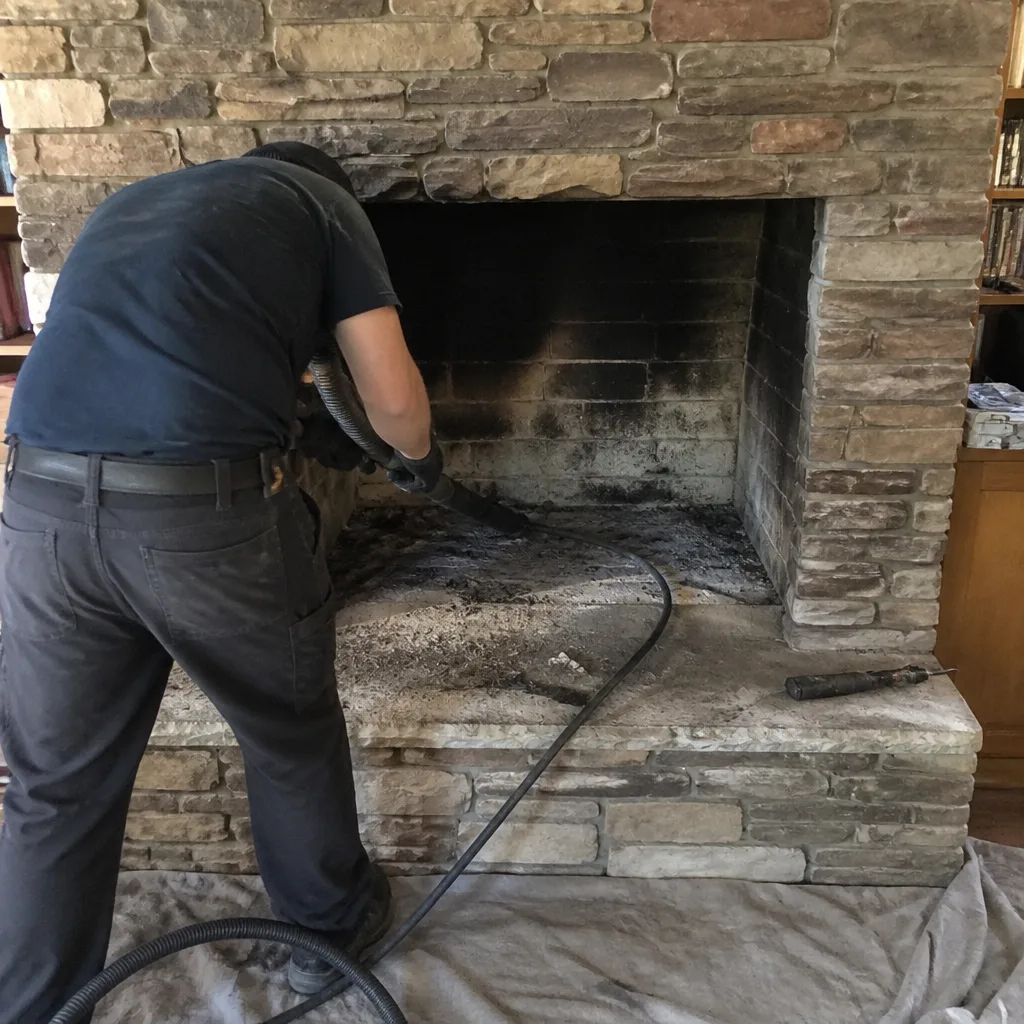 Before
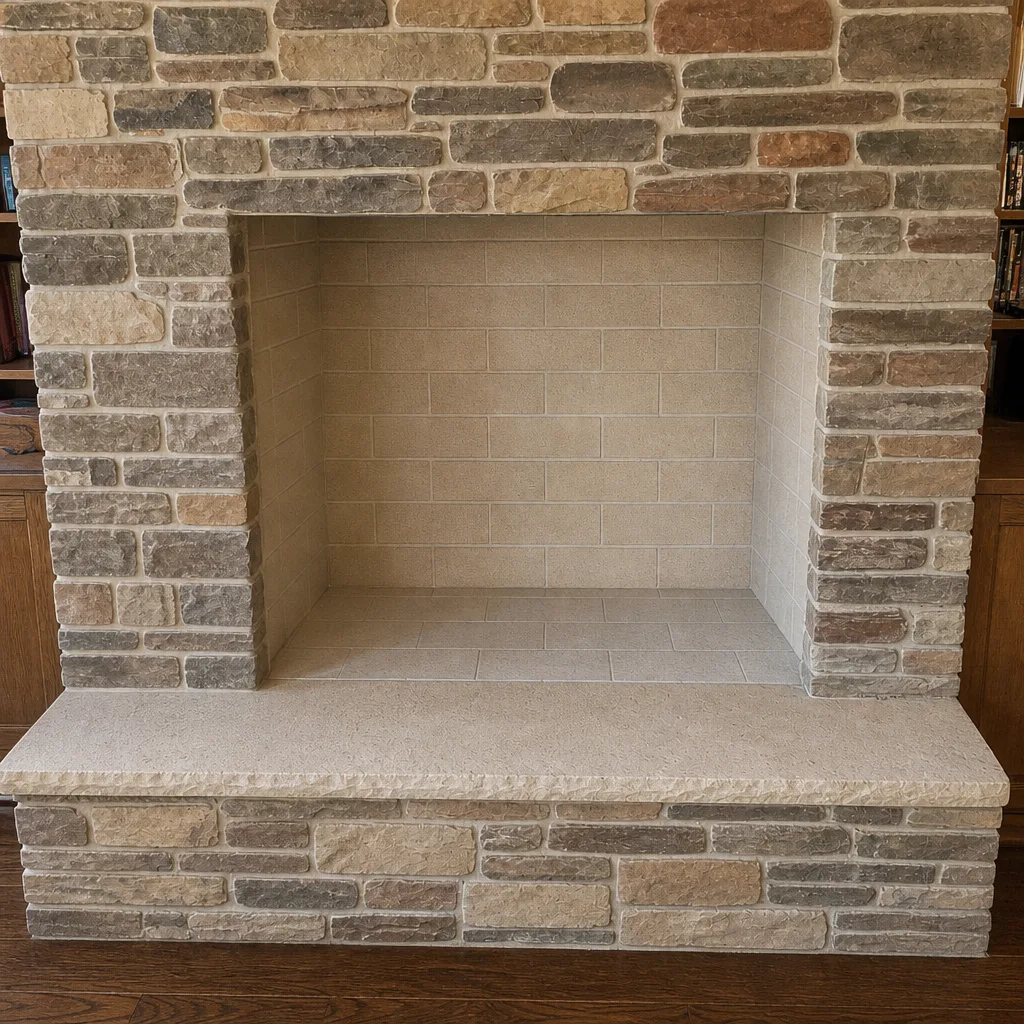 After
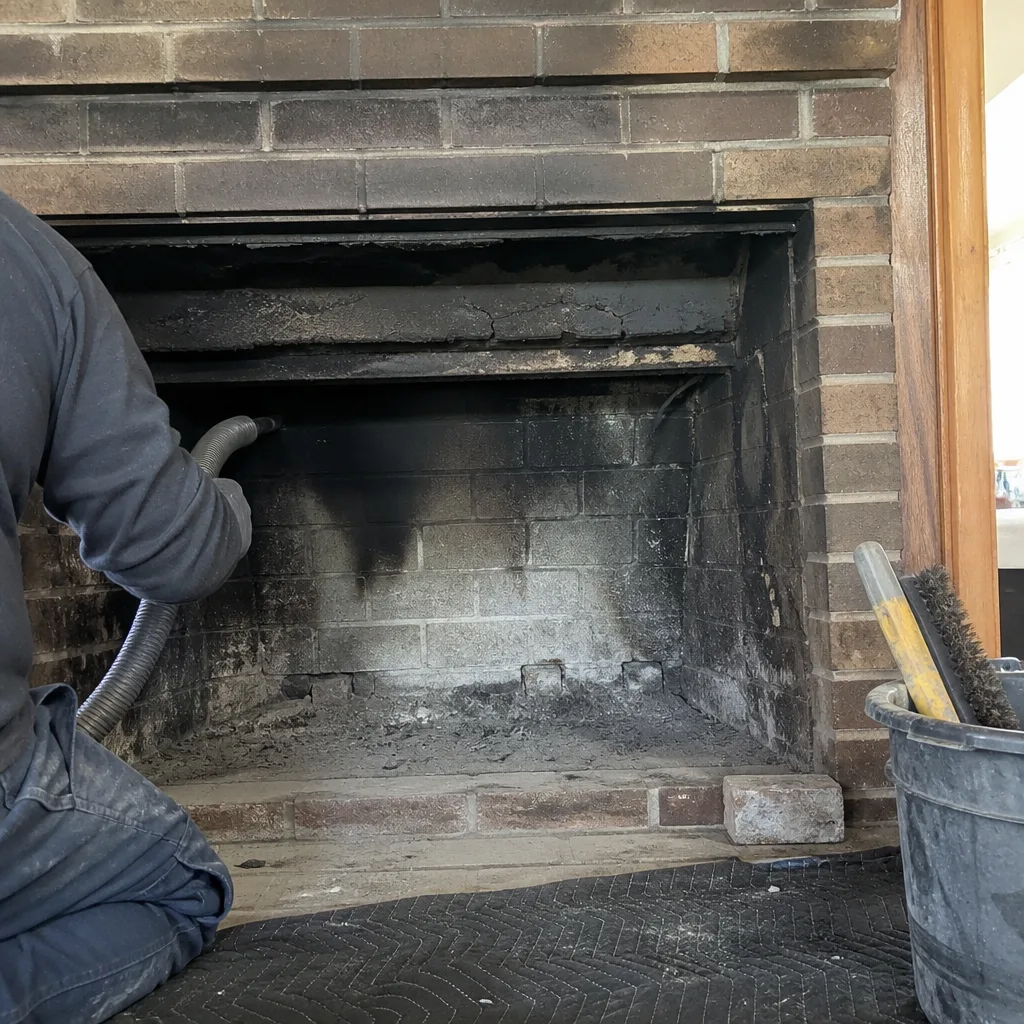 Before
 After
 Before
 After
When to Call a Professional
Call a professional the moment any of the five stop signs appear, not after the next fire. Call too if you’ve moved into a Parker home and don’t know the last time the chimney was cleaned or inspected. Call if you’ve seen a crack in the firebox or a gap in the flue liner, if a musty or smoky smell won’t clear, or if smoke has rolled into the room even once. Call before your first burn of the season if it’s been more than a year since the last inspection, and call if the cap or crown looks damaged. Parker Chimney Sweep Pros offers free estimates in Parker, and we’ll show you what we find on camera before we recommend anything. Call (866) 947-9489. We answer 24/7. Fast dispatch from 7am to 7pm, Sunday through Friday.
Frequently Asked Questions
Most chimneys should be cleaned and inspected once a year, and more often if you burn wood heavily through the winter. If you burn frequently, or if your wood isn’t well-seasoned, twice a year is a reasonable cadence. Parker’s cold winters and the variability in local firewood quality tilt most homes toward an annual inspection as a baseline. The right interval for your chimney depends on what the camera shows during the inspection, so ask the technician for their specific recommendation for your system.
Yes. A sweep and an inspection are different services. A sweep removes creosote; an inspection evaluates the liner, firebox, smoke chamber, cap, and crown for structural condition. A chimney can be clean and still have a cracked liner or damaged crown. Parker Chimney Sweep Pros includes a camera inspection with a photo report so you can see what’s actually happening inside the flue, not just that the soot is gone. Call (866) 947-9489 for an exact quote; estimates are free.
A smoky wood smell in a room with no active fire is a real problem when it’s persistent and appears alongside a drop in draft or visible creosote buildup. It usually points to negative pressure, an open damper, or creosote off-gassing. In a tight, well-sealed Parker home, that smell can also mean the house is pulling air backward through the flue. Either way, it’s worth a professional look before you burn again, and the inspection will tell you which case you’re in.
Third-degree creosote looks like a glazed, puffy, or honeycomb-textured layer inside the firebox or flue. First-degree is flaky and light; second-degree is crusty and tar-like. Only a trained eye can confirm third-degree with confidence, and it’s the grade that matters most for chimney fire risk. If you see the puffy or glazed pattern, stop burning and get a technician out before your next fire. Don’t try to remove it with a standard brush, because a brush won’t dissolve glazed creosote. Call (866) 947-9489. We answer 24/7. A call outside dispatch hours is booked into the next opening, Sunday through Friday, 7am to 7pm.
No. Some liner damage can be addressed with non-demolition restoration, and HeatShield ceramic resurfacing is one method we offer for the right conditions. Other cases genuinely need full relining with a flexible liner system, and we carry DuraFlex for that. The deciding factor is what the camera shows, and the right answer is never “always replace” or “always restore.” We show you the photo evidence and walk through the options. Call (866) 947-9489 for an exact quote; estimates are free.
The safest answer is that the risk is real and shouldn’t be underestimated. A neglected chimney can develop third-degree creosote, and that’s the fuel for a chimney fire. A damaged liner can let heat reach building materials. A blocked flue can send carbon monoxide into the living space instead of out of the house. We never want to scare-sell; most warning signs catch a problem long before any of this happens, and noticing them is the reason to act. Ignoring them is the reason fire crews get called. Call (866) 947-9489 and let a technician tell you what your chimney actually needs.
The Bottom Line
The most important thing to take from this guide is that chimney warning signs come in two tiers. Tier one means schedule a cleaning and inspection soon: light soot, faint smell, a slightly slow draw. Tier two means stop using the fireplace until a specialist has seen it: smoke rollback, acrid smell during a burn, visible liner or firebox cracks, glazed or puffy creosote, and any sign of a past chimney fire. The distinction is the safety line, not a preference. Notice the sign, place it in the right tier, and act. Parker Chimney Sweep Pros is one specialist for every chimney service, from annual sweep to full liner restoration, and we inspect before we recommend. If you’re not sure which tier you’re in, call (866) 947-9489 for a free estimate. We answer 24/7. Fast dispatch from 7am to 7pm, Sunday through Friday.
For a deeper look at the individual services behind this guide, our chimney repair page covers structural fixes, and our chimney sweep page explains the cleaning process from start to finish.
Written by the team at Parker Chimney Sweep Pros.