
Last updated November 23, 2026
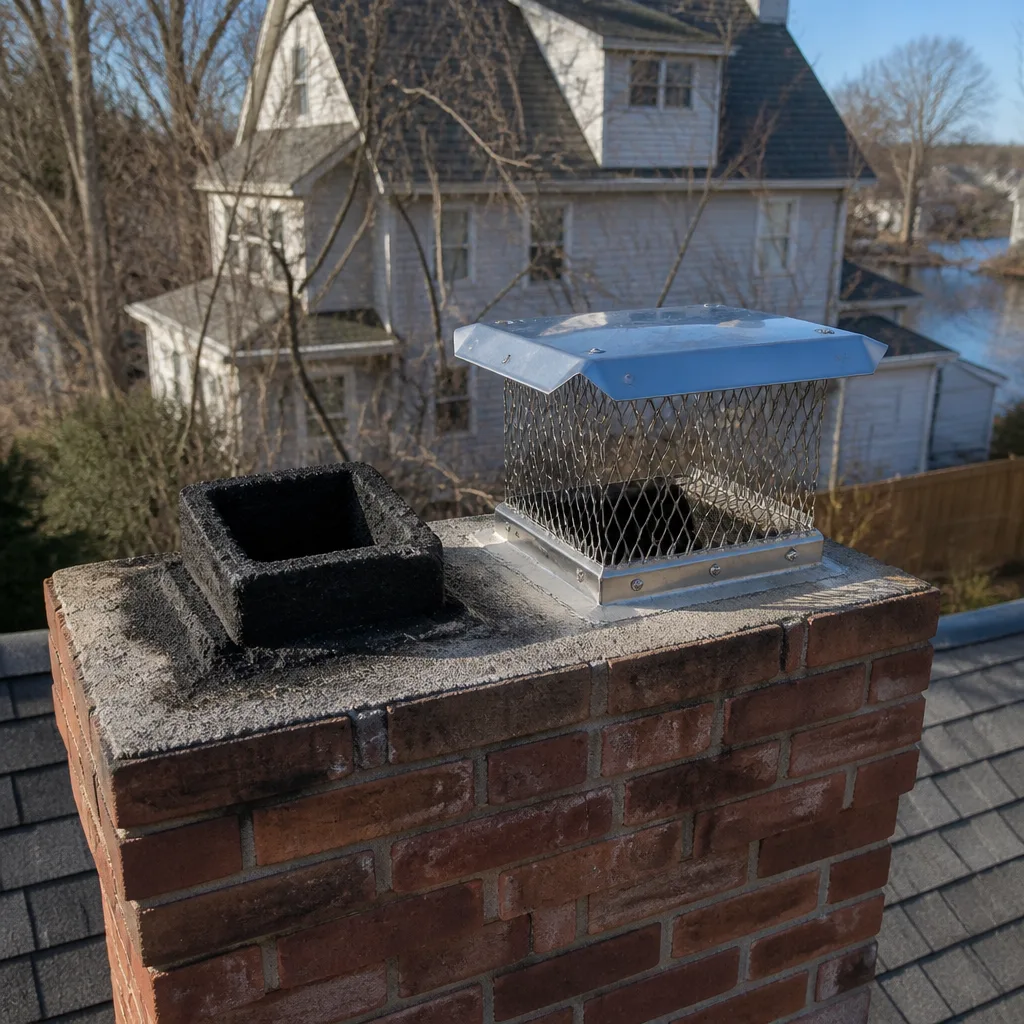 Sweep & inspection
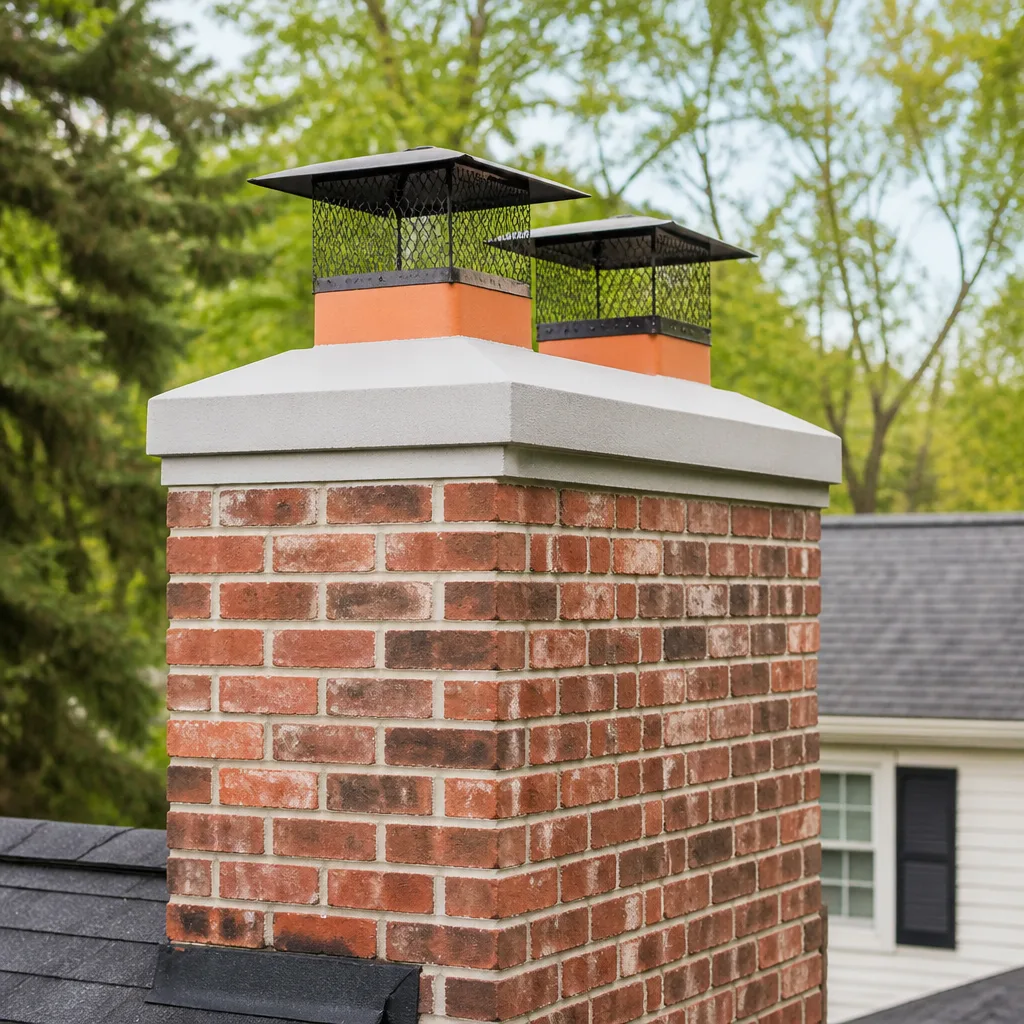 Caps & crowns
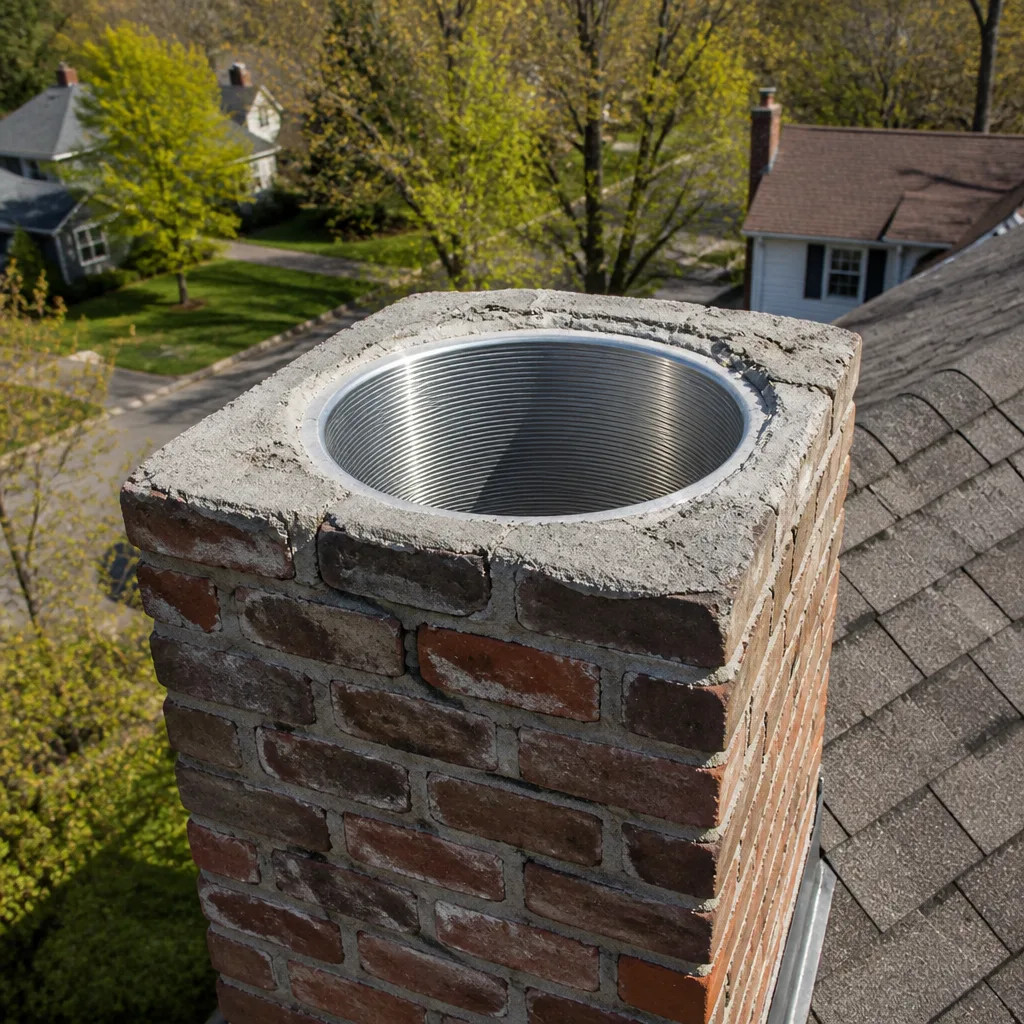 Flue relining
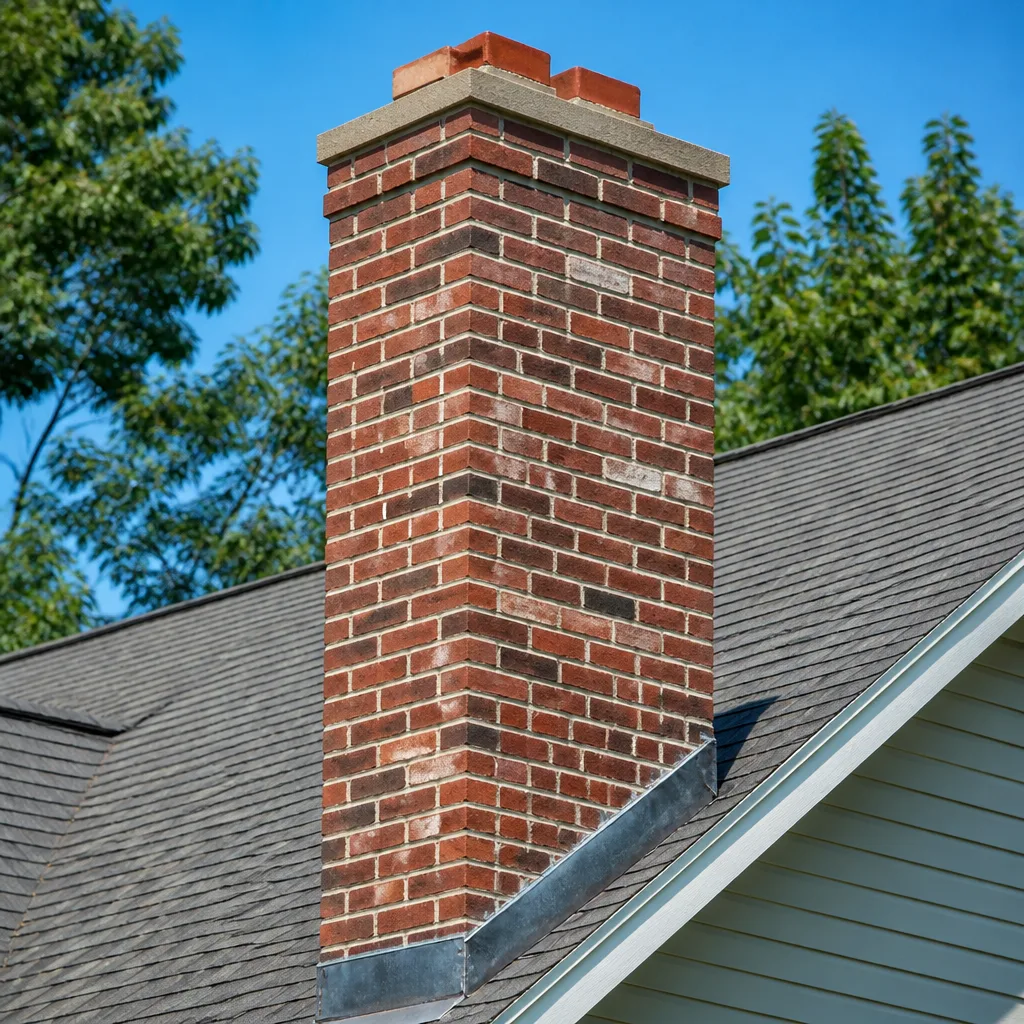 Masonry repair
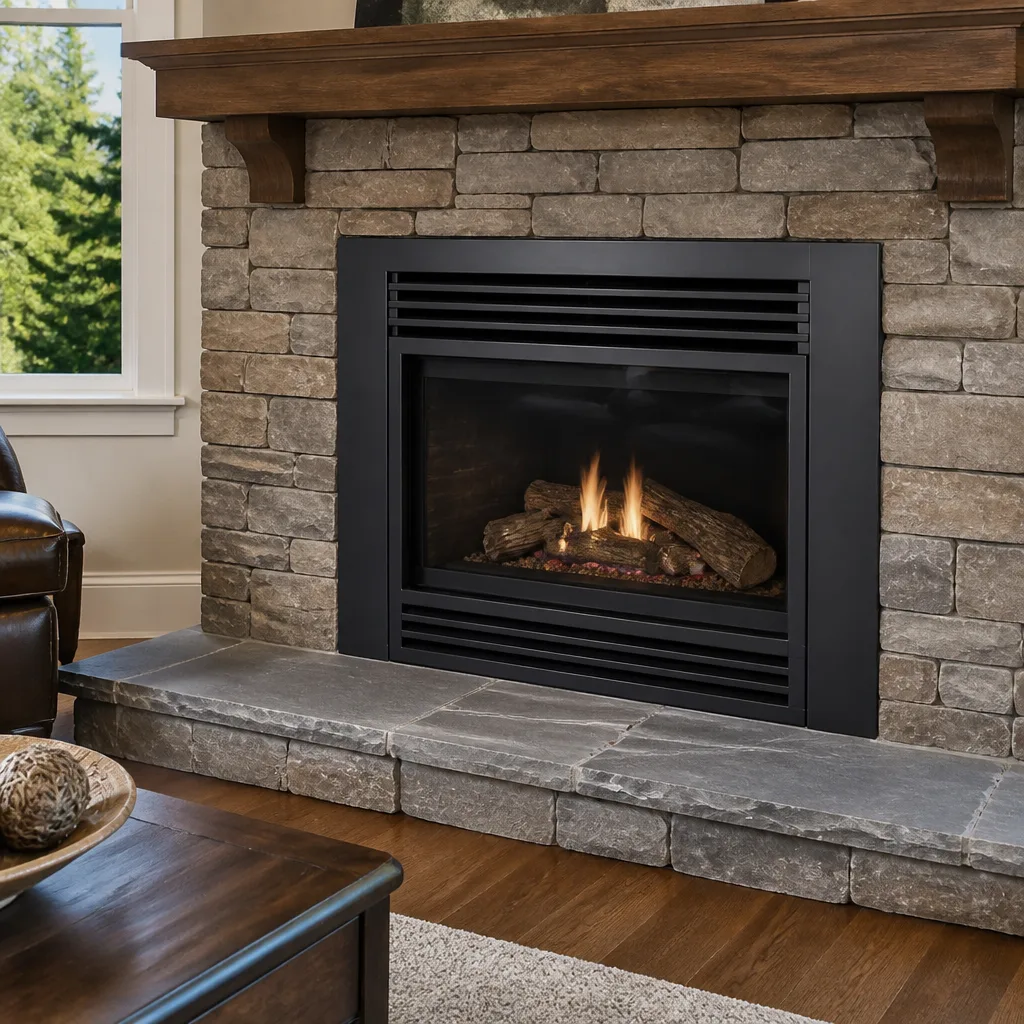 Gas fireplace service
Level 1 sweep and inspection to the NFPA 211 annual standard - flue, crown, cap, and flashing checked and photographed
Chimney sweep logs do not sweep chimneys. They loosen some creosote - which then falls where a brush and vacuum still have to collect it.
DIY vs Professional Chimney Cleaning: The Parker Homeowner’s Decision Guide
The chimney brush kit at the hardware store cleans what you can reach. The problems that cause chimney fires live in the parts you can’t see, evaluate, or safely access with a consumer rod set. That’s the gap most DIY tutorials gloss over. In Parker, where winters run long and a lot of homes burn solid fuel for months on end, creosote builds in layers, and the top of the flue is often the cleanest part while the worst of it sits above the smoke chamber, out of sight. This guide walks through exactly what DIY brushing does and doesn’t accomplish, how to tell which creosote stage you’re dealing with, and where the line between reasonable and reckless actually falls.
Quick Answer
DIY chimney brushing can handle light surface soot in the firebox and the lower flue, but it does not properly clean the smoke chamber, the upper liner, or the connector pipe, and it can’t assess creosote stage or structural condition. Professional cleaning in Parker costs an estimated $150 to $350 for a standard sweep, includes a camera inspection and photo report, and catches the problems that lead to chimney fires before they start.
Styles & brands we work with
- Sweep & inspection
- Caps & crowns
- Flue relining
- Masonry repair
- Gas fireplace service
Table of Contents
- What a DIY Brush Cleaning Actually Accomplishes
- The Three Zones Consumer Equipment Can’t Reach
- Creosote Stages: How to Self-Assess What You’re Looking At
- Equipment and Safety Reality: What a Pro Carries That You Don’t
- Containment and Negative Pressure in Parker’s Floor Plans
- The Insurance and Liability Dimension
- A Decision Framework: When DIY Is Reasonable vs When It Isn’t
- Why Parker Chimneys Face Extra Pressure
What a DIY Brush Cleaning Actually Accomplishes
A consumer chimney brush on a set of fiberglass rods does one thing well: it scrapes loose soot and soft creosote off the accessible interior walls of the firebox and the lower section of the flue. If you’ve burned a cord of seasoned wood through the season and you’re seeing a light, flaky coating on the firebox walls, a brush pass will knock that down. That’s real work, and it’s not nothing.
What it doesn’t do is the part that matters most. Here’s the honest breakdown:
- Soot removal, lower flue: Achievable with consumer equipment. You can reach the first stretch above the damper on most straight flues.
- Smoke chamber cleaning: Not achievable. The smoke chamber is the tapered transition between the firebox and the flue, and its sloped walls collect creosote that a straight brush skips right past. Cleaning it properly requires specialized tools and a working knowledge of the geometry.
- Upper liner access: Marginal at best. Rod sets flex and wander. On a taller flue or one with an offset, you’re guessing at coverage.
- Connector pipe (for wood stoves and inserts): Not safely accessible without disassembly. This is where a lot of creosote accumulates, and it’s invisible from the firebox.
- Condition assessment: Not possible. A brush doesn’t tell you whether the liner has a crack, whether the crown is failing, or whether the flashing has pulled loose.
Put plainly, DIY cleaning handles the visible third of the job. The other two-thirds is where fires start.
The Three Zones Consumer Equipment Can’t Reach
Understanding why DIY falls short comes down to chimney anatomy. There are three zones a consumer rod-and-brush set cannot properly address, and each one is a known fire risk zone. This is the part where a professional chimney sweep earns the fee.
Zone 1: The Smoke Chamber
The smoke chamber sits directly above the damper and below the flue. Its walls slope inward, corbeled like an upside-down funnel. Soot and creosote cling to those slopes and bake into a hard glaze over time. A straight-up brush pass touches the center and misses the sloping shoulders entirely. Cleaning the smoke chamber requires angled brushes and, in many cases, resurfacing with a product like HeatShield to smooth the surface so future creosote has nothing to grip. HeatShield ceramic resurfacing is a capability most local sweep operations don’t offer, and it lets a chimney be restored without demolition.
Zone 2: The Upper Liner
The top several feet of the flue, near the cap, is where temperatures swing hardest. Condensation forms, then creosote glazes onto the liner walls. A consumer rod set on a 20-foot flue loses rigidity and control near the top. On flues with an offset or a bend, the brush may not reach the upper section at all. A professional sweep uses guided rods and, crucially, runs a camera to confirm the liner is clean and intact from top to bottom.
Zone 3: The Connector Pipe
If you have a wood stove or an insert, the connector pipe runs from the appliance to the chimney. Creosote builds there in dense, sticky layers, and the pipe often has a horizontal run and elbows that a brush can’t navigate. Accessing it safely means disassembling and resealing joints, which is beyond what most homeowners should attempt.
Creosote Stages: How to Self-Assess What You’re Looking At
Creosote doesn’t build evenly, and it doesn’t all look the same. There are three recognizable stages, and knowing which one you’re dealing with tells you whether DIY is even on the table. This isn’t a diagnosis; it’s a starting point for a conversation.
- Stage 1 – Soot and flaky dust. A thin, powdery, gray-black coating. It brushes off easily. This is the stage where a DIY pass can genuinely help, assuming everything else is sound.
- Stage 2 – Crusty, brittle deposits. Harder, thicker flakes that cling to the walls. A brush knocks some of it down but leaves a residue. This stage usually means it’s time for a professional cleaning, because the residue is what ignites.
- Stage 3 – Glazed, tarry creosote. A shiny, hardened shell that looks almost like a dark glaze. A consumer brush glides right over it. This is the stage most associated with chimney fires, and it requires professional removal because it can’t be scraped off by hand.
Here’s the safe way to check which stage you’re looking at: shine a strong flashlight up the flue from the firebox and look at the first accessible section of liner. If you see a shiny, reflective surface, stop. Don’t brush it. Call a professional. If it’s flaky and dusty, you’re likely at Stage 1 or the low end of Stage 2. Even then, what you see from the firebox is only a partial picture. The upper liner and smoke chamber could be at a completely different stage, and that’s the blind spot that catches people.
Equipment and Safety Reality: What a Pro Carries That You Don’t
The gap between consumer equipment and professional equipment isn’t a marketing story. It’s physical. A professional sweep carries tools and safety gear built for the job, and here’s what that looks like in practice:
- Cameras and inspection lights. A camera on a flexible rod shows the interior of the flue in real time. This is how a sweep confirms cleaning and sees cracks, gaps, and creosote stage in the upper sections.
- Rotary and whip heads. Different brush types for different creosote stages. A whip head reaches into the smoke chamber and cleans the sloping walls in a way no straight brush can.
- Fall protection and roof access equipment. Getting onto a pitched roof safely requires more than a ladder and nerve. Falling from a roof is a real and serious risk, and it’s not a risk any homeowner should take to save a service fee.
- HEPA vacuums and negative pressure rigs. This is the part homeowners underestimate most. Professional containment keeps soot out of your living space, which matters in any home but especially in the tighter layouts common around Parker.
- Drop cloths and sealing systems. The firebox opening gets sealed, and everything downstream stays clean.
The safety caveat here is straightforward. A chimney flue is a confined vertical space, and the risk isn’t limited to fire. Dislodged creosote, falling brush heads, and carbon monoxide backdrafts are hazards. If you’re not trained to handle them, the right call is to leave the confined-space work to a trained professional. Our technicians have up to 14 years of experience handling exactly these conditions.
Containment and Negative Pressure in Parker’s Floor Plans
Here’s something most DIY guides never mention: the cleaning itself can make your house dirtier than the chimney. A brush dislodges soot, and without containment, that soot goes into the room. In Parker’s newer homes, many of which have open-concept living areas with the fireplace as the focal point of the great room, a soot cloud has nowhere to hide. In older homes with smaller rooms and more walls, it migrates into carpet, upholstery, and HVAC returns before you notice it.
Professional containment solves this with a negative pressure setup. The firebox opening gets sealed with a fitted cover, a HEPA vacuum runs continuously to pull air into the work zone, and the room stays isolated until the job is done. When we finish a sweep, the goal is that you can’t tell we were there except that the chimney is clean.
This is also why a proper cleaning takes an hour or two rather than fifteen minutes. The cleaning is the visible work. The containment, inspection, and documentation are what make the cleaning count.
The Insurance and Liability Dimension
Most homeowners never think about this until after a problem, and by then it’s too late to fix the record. Here’s the plain version: homeowner’s insurance policies generally cover accidental fire damage, but they also expect reasonable maintenance. If a chimney fire occurs and the adjuster asks when the chimney was last cleaned, “I did it myself last fall” is not the answer you want in your file.
A professional sweep produces a written report with photos, the date of service, and a record of the chimney’s condition. That document does two things. First, it proves maintenance was performed. Second, it establishes a baseline that shows when a problem first appeared. If a liner later fails, the record shows it wasn’t caused by neglect.
We can’t tell you what your insurer will or won’t require, and we don’t speak for them. What we can say is that a documented sweep belongs in your home records alongside your roof and HVAC paperwork. If a claim ever gets contested, documentation is the difference between a straightforward conversation and a difficult one. It’s also why we include a camera inspection and photo report with every sweep: the record matters as much as the cleaning.
A Decision Framework: When DIY Is Reasonable vs When It Isn’t
There’s a narrow set of conditions where a DIY cleaning is a defensible choice, and a much wider set where it isn’t. Here’s the framework we’d use in our own homes.
DIY is reasonable when all of these are true:
- The chimney was professionally inspected and cleaned recently (within the past year), and the report showed Stage 1 creosote only.
- The chimney is a straight, vertical flue with no offsets or bends, easily accessible from the firebox.
- You have a masonry fireplace, not a wood stove or insert with connector pipe.
- You’ve burned well-seasoned wood and see only a light, flaky coating on the accessible flue walls.
- The chimney cap, crown, and flashing were recently verified to be in good condition.
Professional service is not optional when any of these are true:
- You see a shiny, glazed, or tarry coating anywhere in the flue (Stage 3 creosote).
- You’ve never had the chimney inspected, or you bought the home recently with no maintenance records.
- The chimney has an offset, a bend, or a top-mounted appliance that limits direct access.
- You’ve had a chimney fire, even a small one.
- You smell creosote or soot in the house, or see smoke staining at the firebox.
- You have a wood stove or insert with a connector pipe.
- Your flue has a crack, gap, or visible damage.
- You’re not certain what stage of creosote you’re looking at.
If you can’t check every item on the first list with confidence, the second list is where you land. That’s not a sales pitch. It’s just where the threshold actually is.
Why Parker Chimneys Face Extra Pressure
Parker’s climate is hard on chimneys in ways that don’t show up in most generic cleaning advice. Winters run cold and long, which means more burn days and more creosote accumulation per season than a homeowner in a milder climate would see. The freeze-thaw cycles that come with high-country weather work on masonry and mortar joints, opening small cracks that let water in and cause damage from the inside. Wind-driven snow and rain find their way past a failing cap or crown, and that moisture is the leading driver of long-term chimney structural problems.
The varied housing stock across Parker matters too. Newer builds tend to have taller flues, tighter construction envelopes, and fireplaces designed as design features rather than primary heat sources. Older homes may have shorter flues, original masonry, and decades of accumulated creosote. Each calls for a different approach, which is why we inspect before we recommend. Nothing gets suggested without camera evidence you can see for yourself.
This is also where the full-service range matters. A street smoker call is one thing. But chimney repair, liner restoration, and cap and crown work require a specialist who handles the whole system. We work with professional-grade materials from brands chimney specialists rely on, including DuraFlex for flexible liner systems and HeatShield for ceramic resurfacing. Not generic hardware-store substitutes.
Common Mistakes to Avoid
- Brushing Stage 3 creosote with a consumer rod. If it’s shiny and glazed, a brush just slides over it and can knock loose hard chunks that catch in the smoke chamber. Stop and call a professional.
- Assuming clean equals safe. A brushed flue can look clean from the firebox while the smoke chamber and upper liner stay coated. The parts you can’t see are the ones that fail.
- Skipping the camera inspection. A cleaning without inspection is half the job. You need photo evidence of what the flue actually looks like before and after.
- Using a vacuum that isn’t HEPA-rated. A shop vac on a chimney job pushes fine soot into the room air. That soot settles on every surface and gets into HVAC returns.
- Climbing onto a pitched roof without fall protection. Wet or frost-covered shingles, especially in the shoulder seasons, are a serious fall hazard. Roof access is a big part of why professionals carry the equipment they do.
- Relying on a self-cleaning memory as your maintenance record. Insurance claims and future buyers want documentation, not recollection. A written sweep report is worth keeping.
- Burning unseasoned wood to stretch the burn per season. Green wood produces far more creosote per cord, which accelerates every stage and shortens the interval between cleanings.
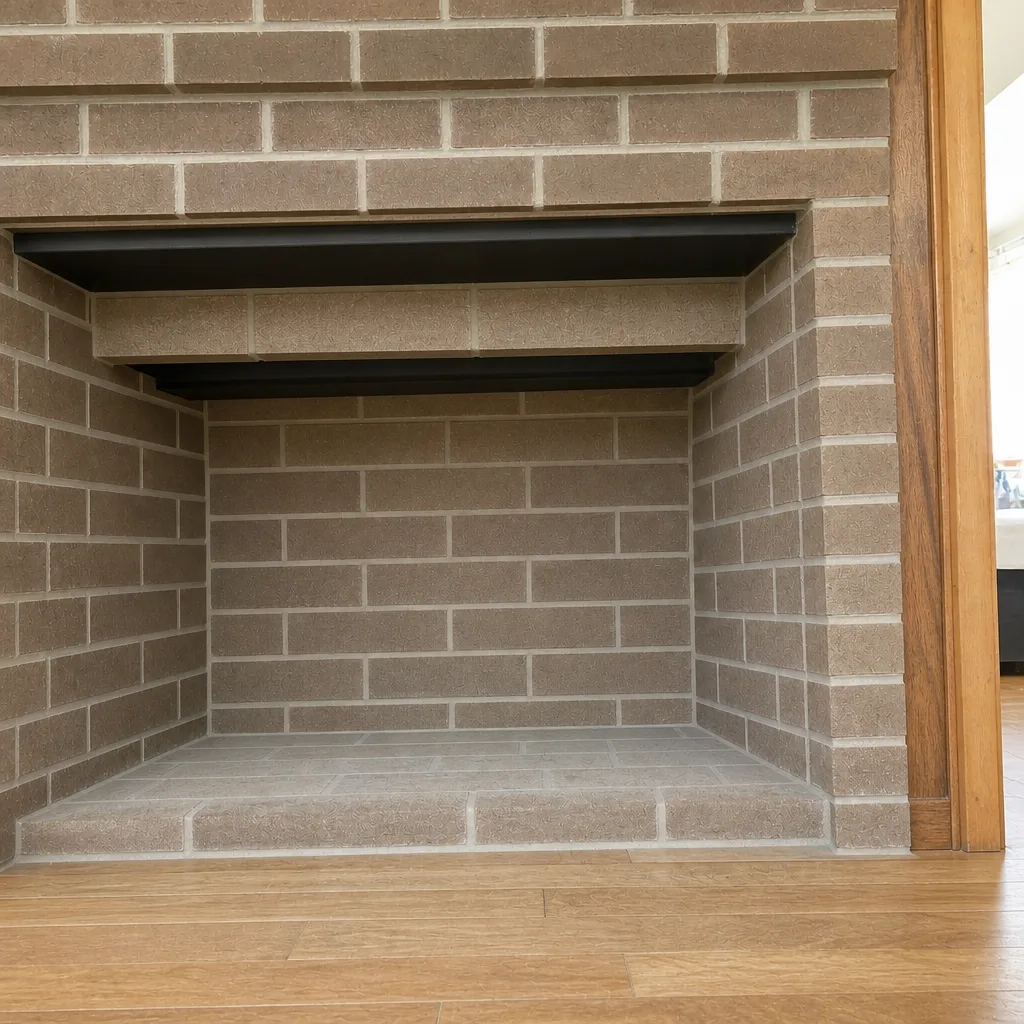
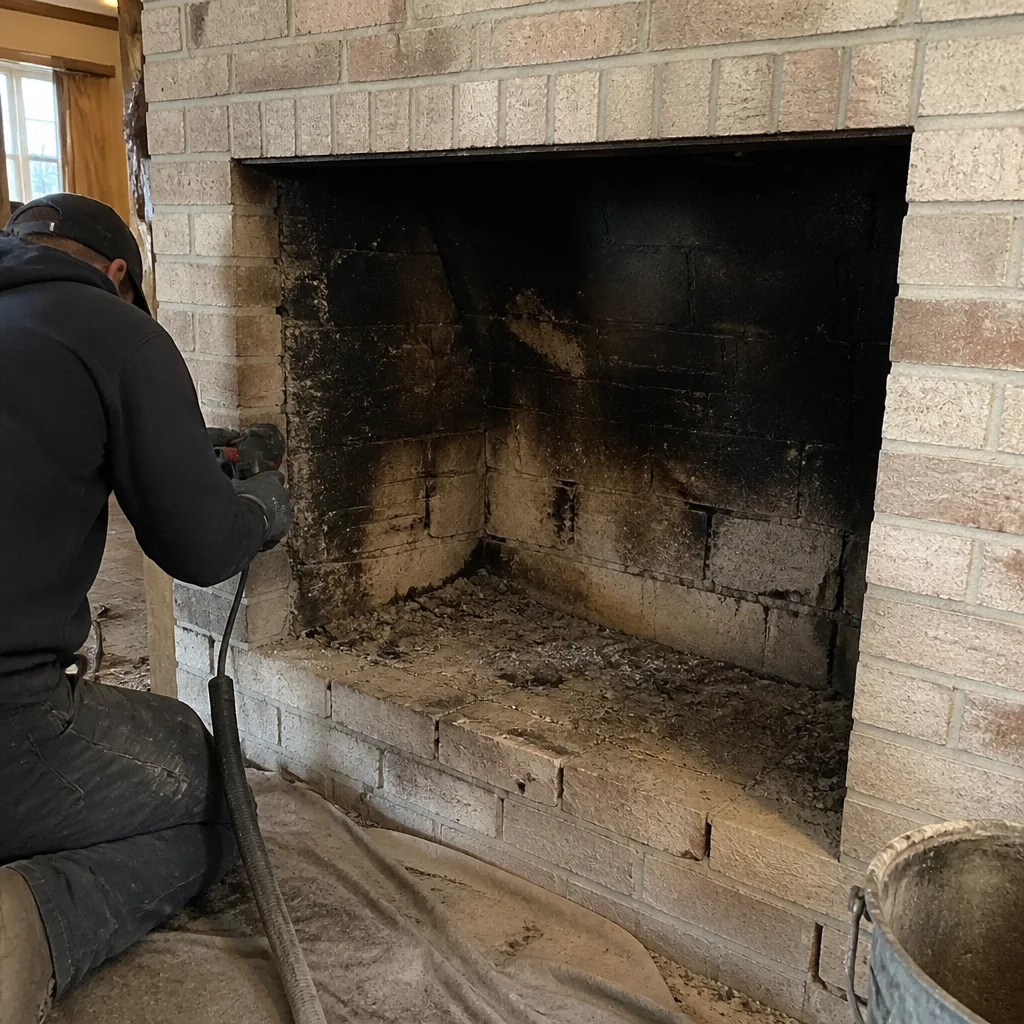
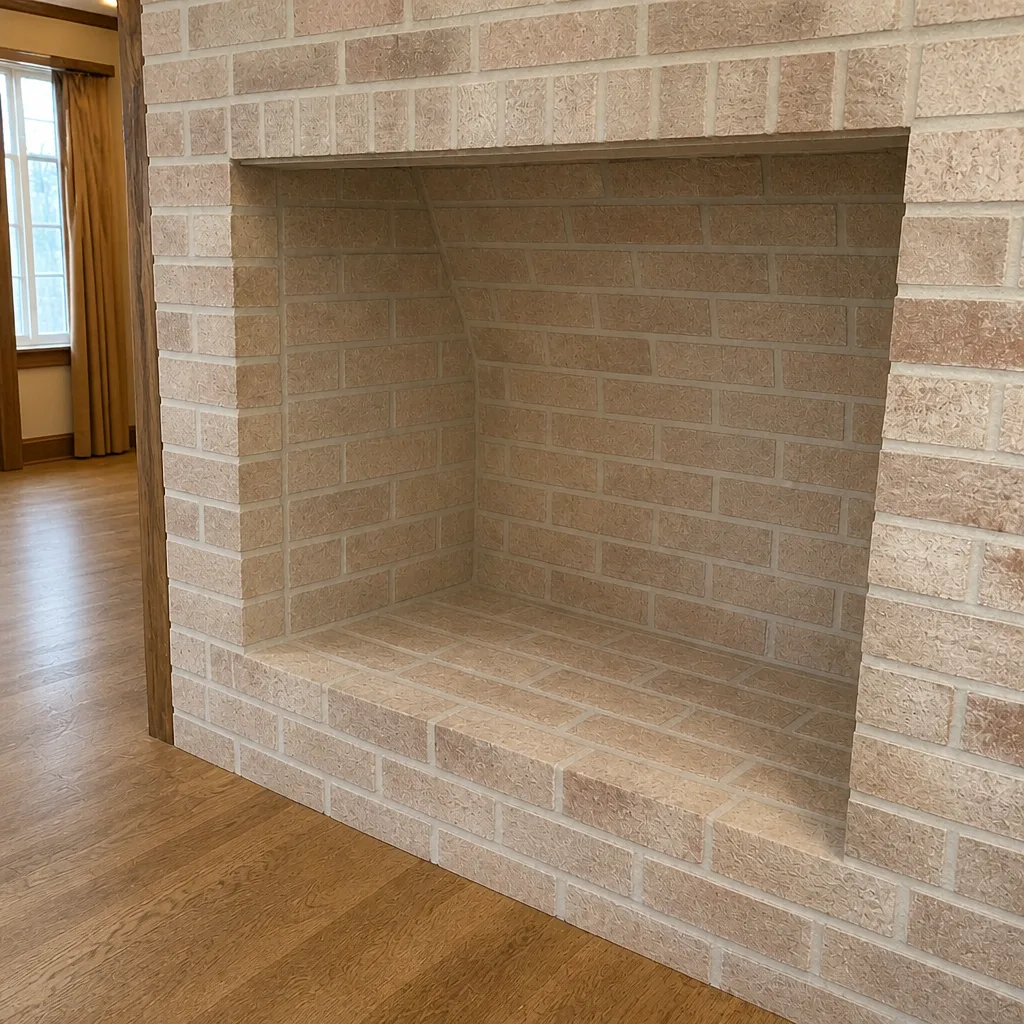
See the difference
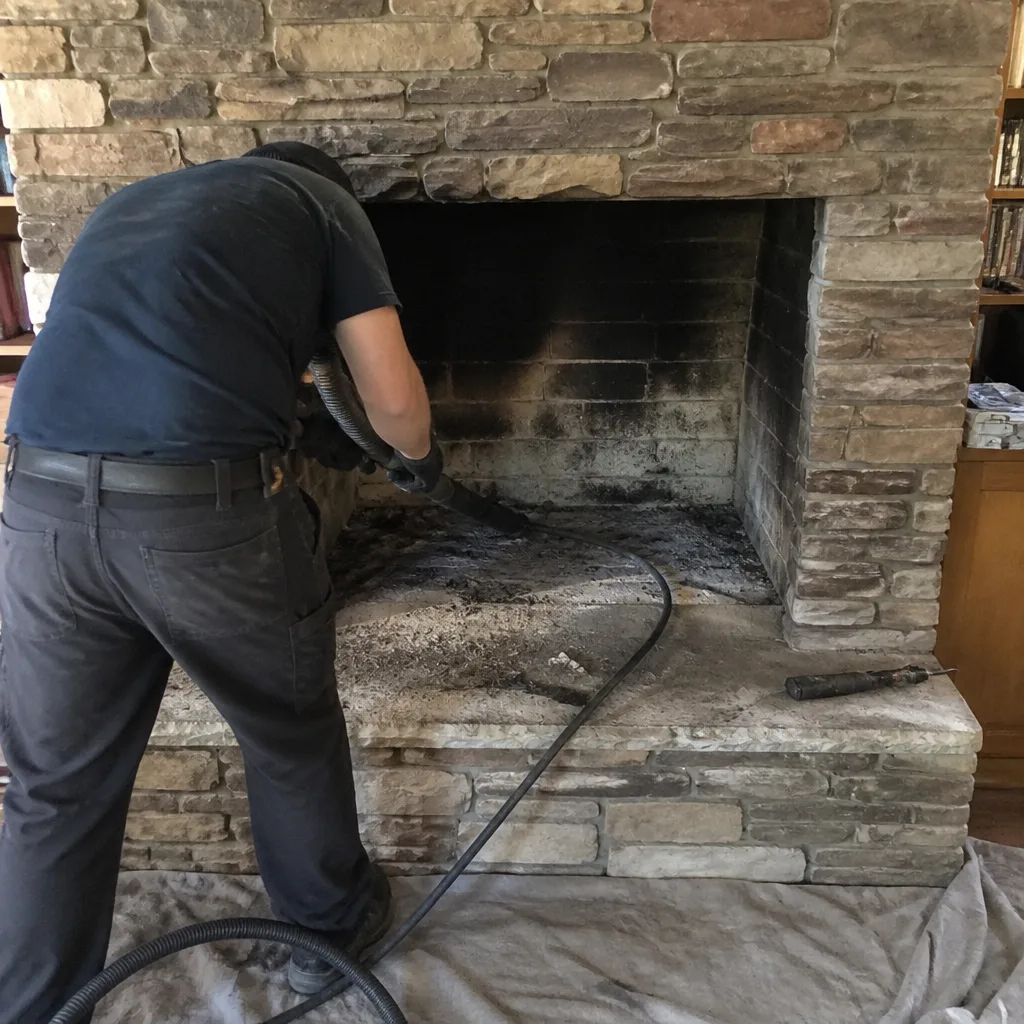 Before
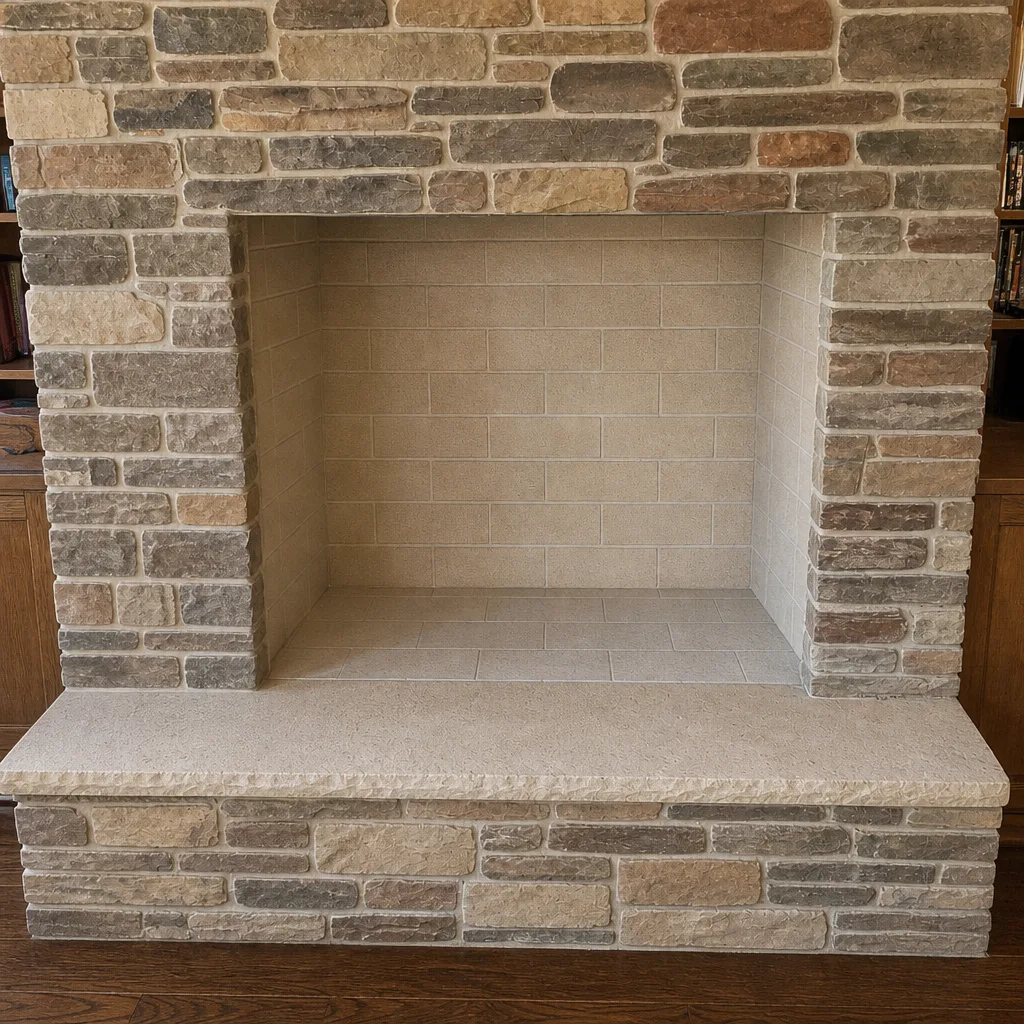 After
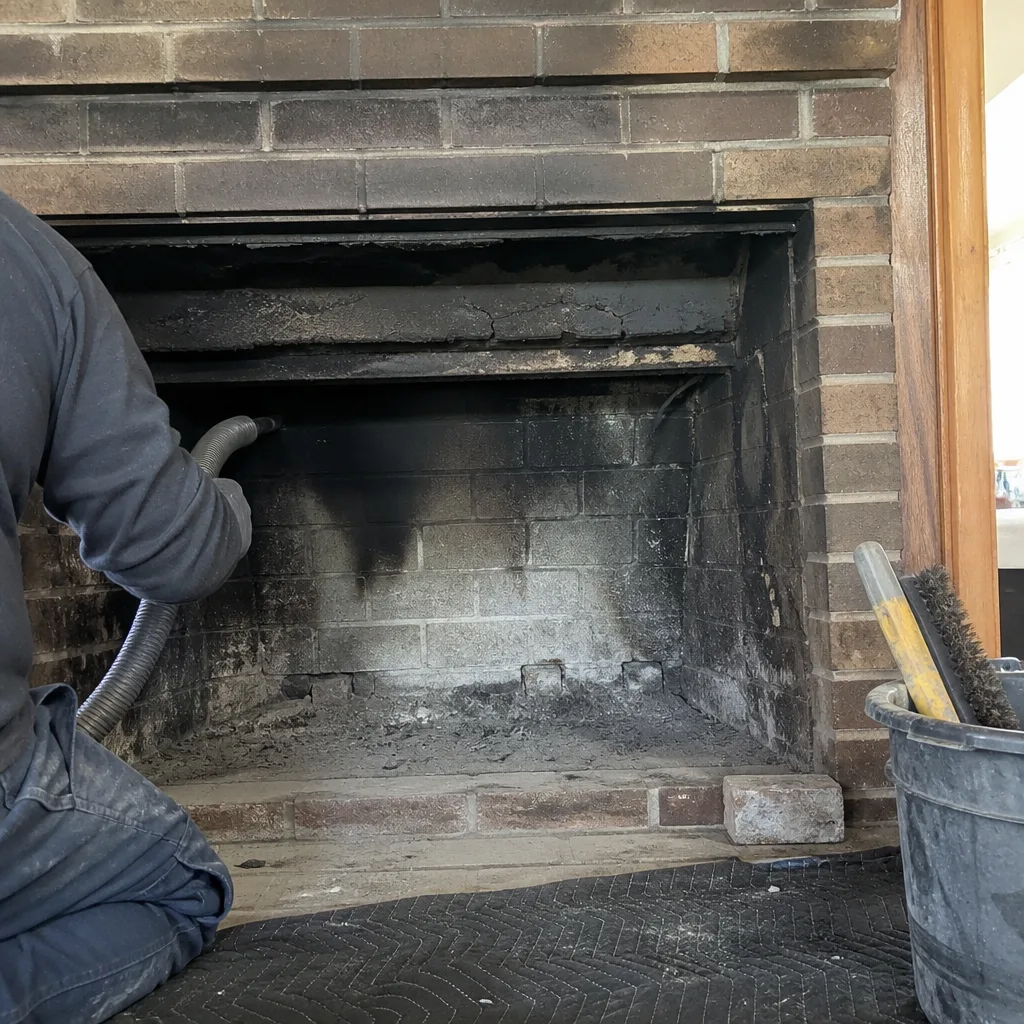 Before
 After
 Before
 After
When to Call a Professional
Call a professional if you see glazed creosote, if the chimney has never been inspected, if you’ve had a chimney fire, if you have a wood stove or insert, if the flue has an offset, or if you smell soot or creosote inside the house. Call before the burning season if it’s been more than a year since the last sweep. Call after a new home purchase, since you don’t know the chimney’s history. And call if you’re unsure, because the cost of an inspection is small compared to the alternative.
Parker Chimney Sweep Pros offers free estimates in Parker – call (866) 947-9489. We answer 24/7, with fast dispatch from 7am to 7pm, Sunday through Friday. Our flat-price sweep is agreed before booking, and camera inspection with a photo report is included. You see the evidence before anyone recommends anything. And if the work can safely wait, we’ll tell you that too.
Frequently Asked Questions
A standard chimney sweep in Parker typically runs an estimated $150 to $350 depending on the flue configuration, access, and creosote condition. The written estimate sets the final price, and it’s agreed before we book. Call (866) 947-9489 for an exact quote – estimates are free.
DIY cleaning is safe only for light Stage 1 soot in an accessible, straight flue that was recently inspected. It is not safe for glazed creosote, wood stove connector pipes, roof-top access without fall protection, or any flue you can’t fully see. When in doubt, treat it as a professional job.
Most chimneys should be swept once a year during active burning, and more often if you burn frequently or notice buildup. In Parker, where winters are long and burn days are numerous, many homes benefit from an annual sweep timed before the season starts. Call (866) 947-9489 to get on the schedule.
Yes, a camera inspection is part of doing the job properly. Cleaning without inspection leaves you guessing about the smoke chamber, upper liner, and connector pipe, and those are the zones where chimney fires start. The photo report also gives you a documentation record. We include it with every sweep.
If a fire occurs after a self-cleaned chimney, an insurance adjuster will likely ask when the chimney was last professionally swept and inspected. Without a written report, you may face a harder claim process. A documented professional sweep establishes the maintenance record that protects you. Call (866) 947-9489 for a sweep and inspection.
Yes, and we’ll say so plainly. If the camera evidence shows a sound chimney with only routine cleaning needed, we’ll tell you the work is done and there’s nothing more to do right now. We inspect before we recommend, and you see the evidence yourself. If something can safely wait, we say that too. Call (866) 947-9489 for a free estimate.
The Bottom Line
DIY chimney brushing is a real skill, and it handles light surface soot in an accessible, recently-inspected flue. That’s a narrow lane, though. The smoke chamber, upper liner, and connector pipe are the zones where fires start, and a consumer rod set can’t reach them, clean them, or assess their condition. Add in the containment problem, the roof access hazard, and the documentation you’ll want if a claim ever comes up, and the case for professional cleaning gets clear fast. If you’re in Parker and you want to know what’s actually going on inside the chimney, the answer is an inspection with camera evidence. That’s where the decision gets made.
Parker Chimney Sweep Pros is a full-service chimney specialist, covering sweep, inspection, fireplace repair, chimney repair, and cap and crown, so you’re dealing with one specialist, every chimney service. We work with professional-grade materials from brands the trade trusts, including DuraFlex, HeatShield, Gelco, Olympia Chimney, Famco, and Copperfield. From annual sweep to full liner restoration, we handle the whole chimney system, not just the part you can see. For fireplace repair or any structural concern, start with the evidence and go from there. Learn more about Parker Chimney Sweep Pros and how we approach chimney work.
Call (866) 947-9489 for a free estimate. We answer 24/7, with fast dispatch from 7am to 7pm, Sunday through Friday. If you’d rather schedule in advance, book a sweep before the season starts. Either way, you’ll know exactly what your chimney needs, and what it doesn’t.
Written by the team at Parker Chimney Sweep Pros.