
Last updated November 23, 2026
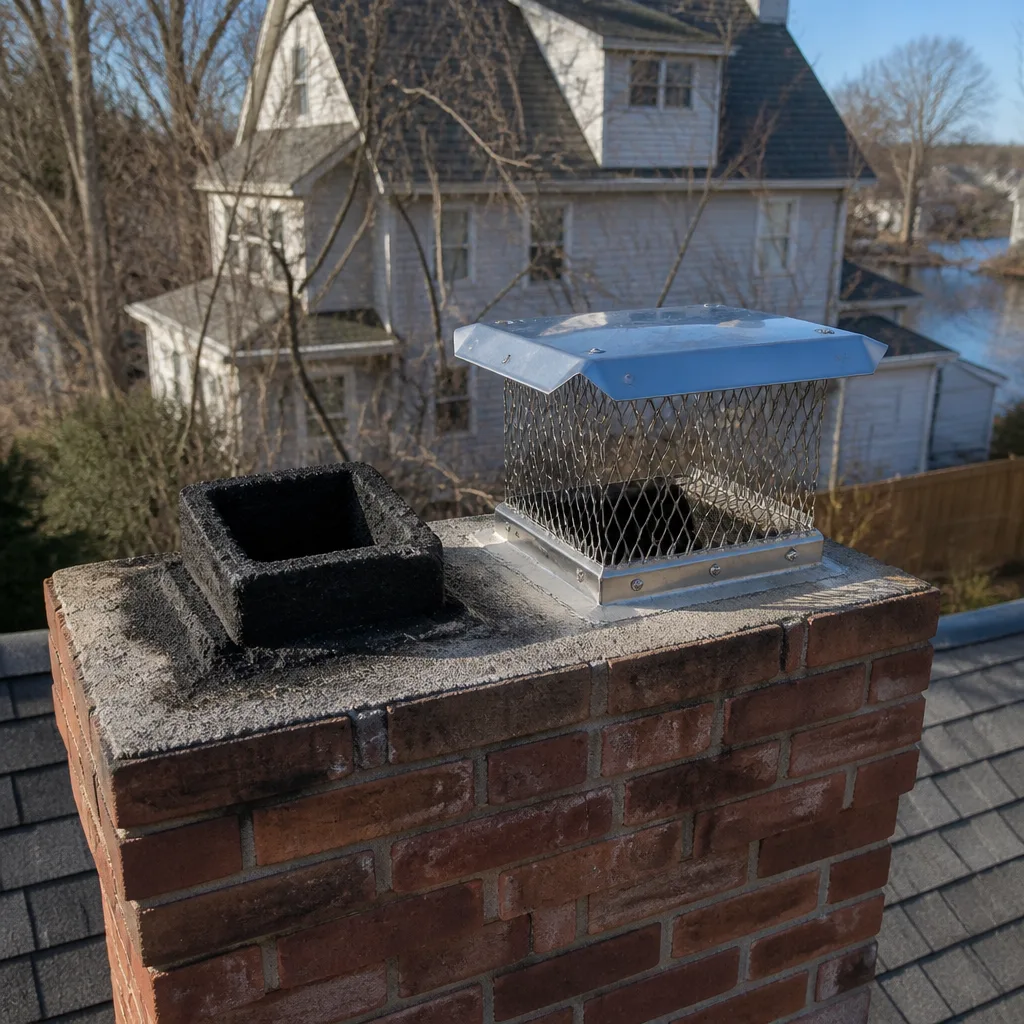 Sweep & inspection
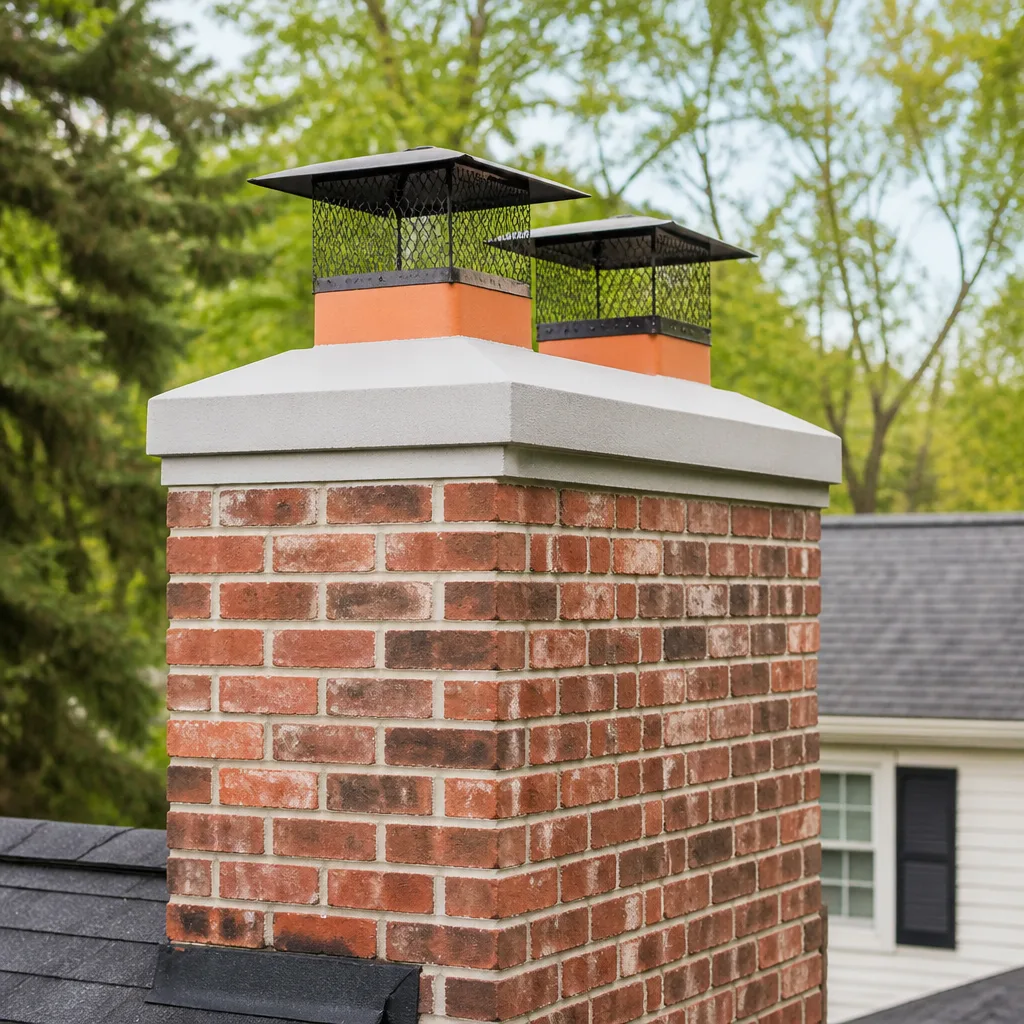 Caps & crowns
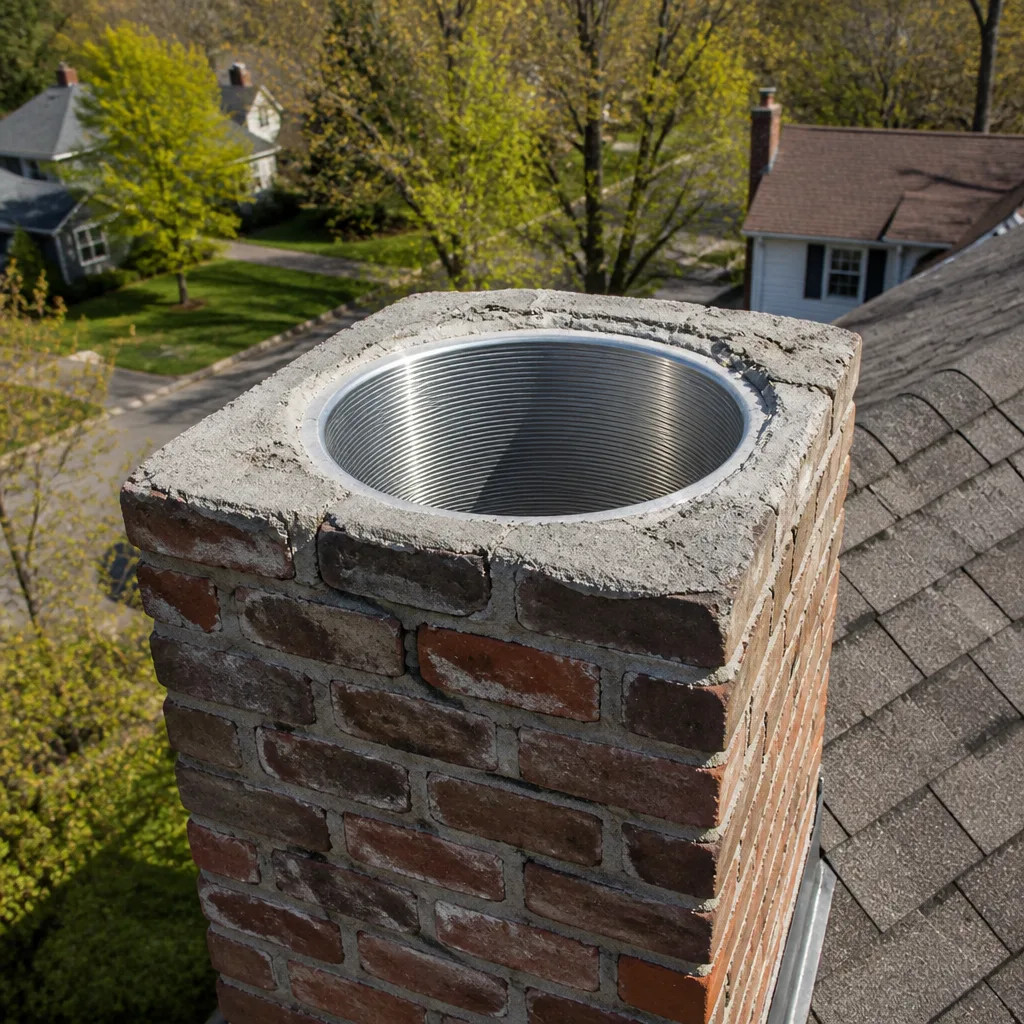 Flue relining
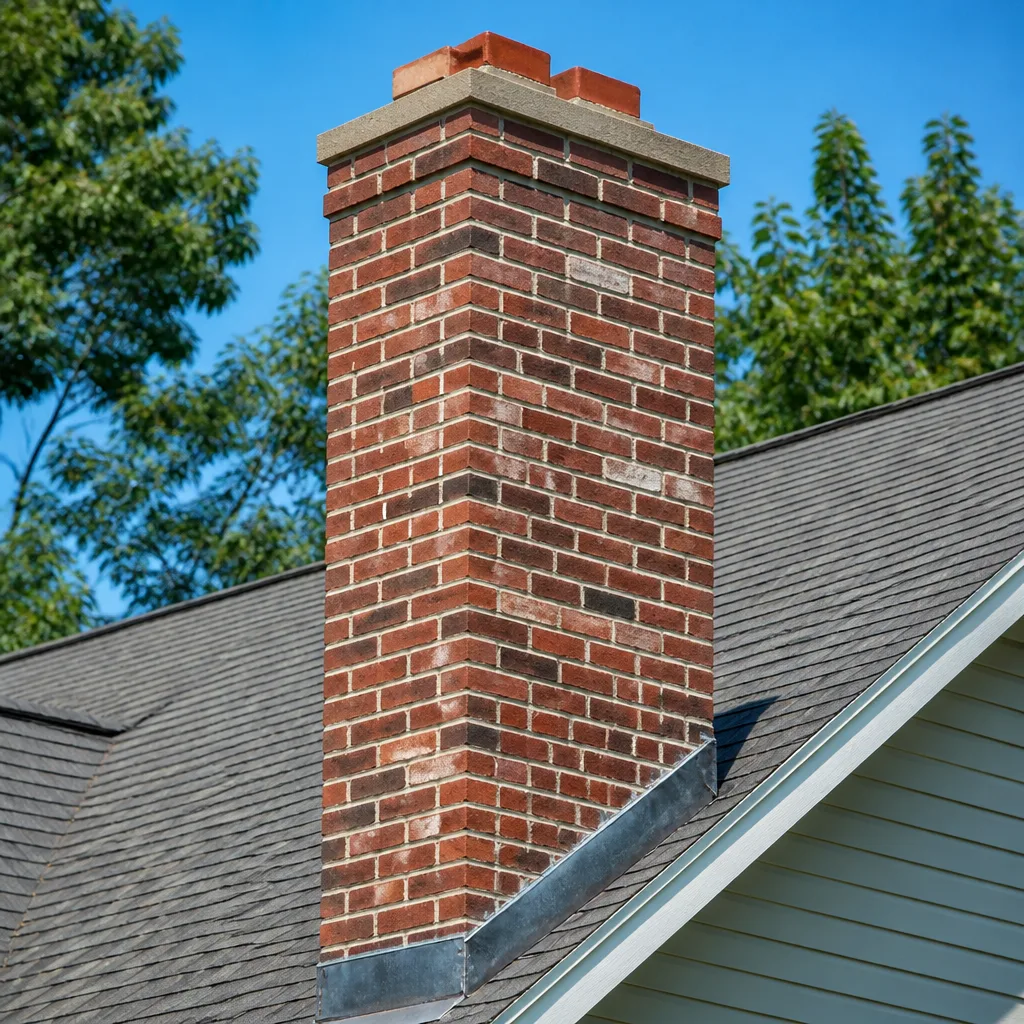 Masonry repair
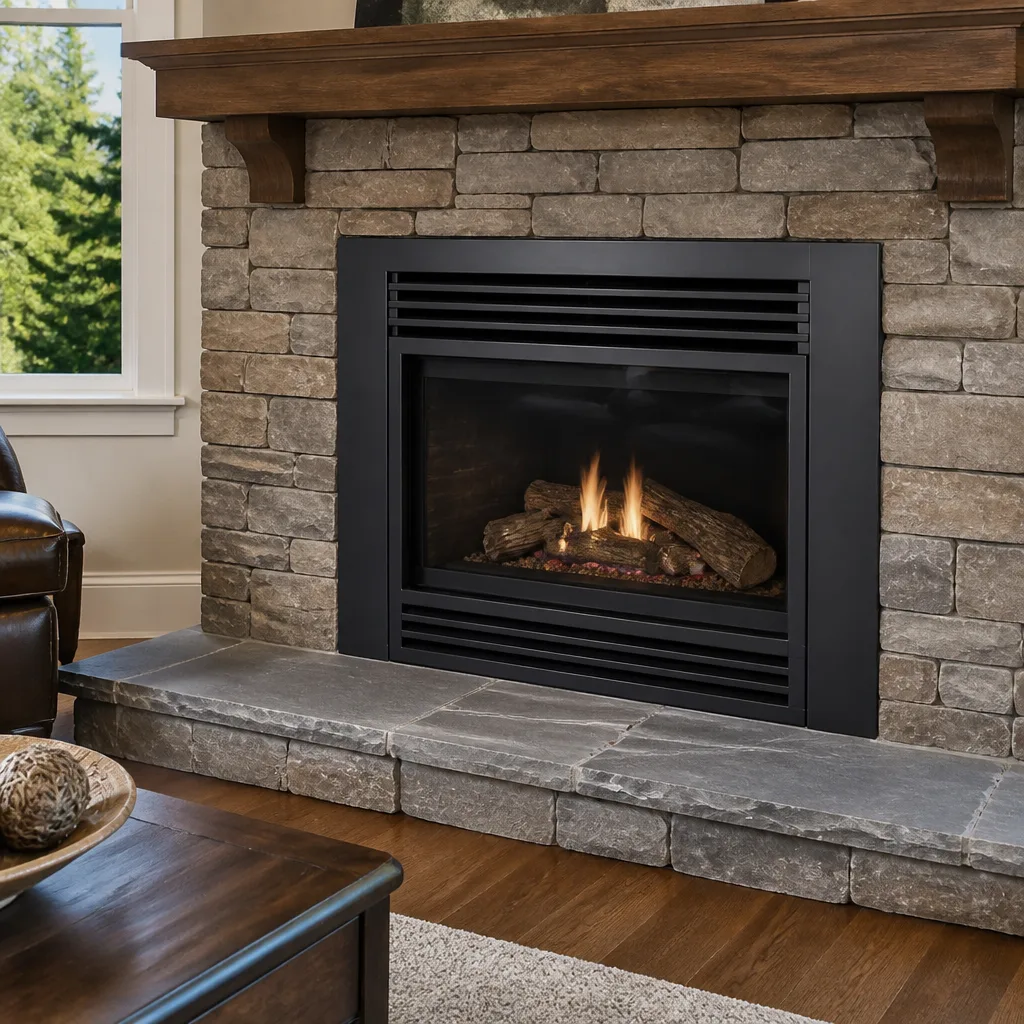 Gas fireplace service
Level 1 sweep and inspection to the NFPA 211 annual standard - flue, crown, cap, and flashing checked and photographed
Chimney sweep logs do not sweep chimneys. They loosen some creosote - which then falls where a brush and vacuum still have to collect it.
Chimney Cleaning Emergency Preparedness Guide for Parker Homes
Most Parker homeowners think a chimney fire announces itself with flames at the crown or a roar that wakes the house. It usually doesn’t. The common myth is that a chimney emergency is a random, unavoidable event. In practice, the conditions that cause one are almost always present and inspectable before the first fire of the season ever gets lit. Creosote builds in layers, liners crack invisibly, and flues clog with debris no one sees from the hearth. This guide covers how chimney fires and carbon monoxide events actually develop, the preparation that keeps them from happening, what to do if one starts, and what has to happen afterward. We’ll walk through it the way we walk Parker homeowners through it.
Quick Answer
A chimney emergency is almost always preventable, and the work that prevents it happens weeks before the fire season. Getting the flue cleaned and professionally inspected, confirming the liner and cap are sound, and burning dry wood are the core steps that push chimney fire and carbon monoxide risk close to zero. If a fire does occur, call the fire department first, then treat the chimney as unusable until a thorough inspection clears it.
Styles & brands we work with
- Sweep & inspection
- Caps & crowns
- Flue relining
- Masonry repair
- Gas fireplace service
Table of Contents
- How chimney fires start and progress structurally
- Pre-season preparation that reduces risk to near zero
- Carbon monoxide risk inside chimney systems
- What to do during an active chimney fire
- Post-incident protocol and why the chimney can’t be reused without inspection
- Why Parker’s pressure and temperature swings matter
- Common mistakes to avoid
- Frequently asked questions
How Chimney Fires Start and Progress Structurally
A chimney fire begins when creosote, the tar-like residue from burning wood, ignites inside the flue. Creosote forms in three stages: a light soot first, then a flaky crust, and finally a hard glazed layer that’s difficult to remove. That glazed stage is the dangerous one. Once it catches, the fire burns hot, and a chimney can reach temperatures far above what its materials are designed to handle.
What happens in the minutes after ignition is what determines whether a fire stays contained. The heat first stresses the flue liner. Clay tile liners crack under sudden thermal shock. Metal liners can warp or separate at the seams. From the liner, that heat reaches the surrounding framing and masonry. In a Parker home with a wood-framed chase, the clearances between the chimney and combustible framing are what keep a contained fire from becoming a house fire. If those clearances were compromised during construction or by later work, the heat has less distance to travel before it finds something to burn.
It’s worth understanding the stages:
- Ignition: creosote or debris lights off, often with a popping or roaring sound.
- Liner stress: the flue liner takes the first hit; cracks and seam failures start here.
- Heat transfer: heat moves through the liner toward masonry, framing, and roof materials.
- Containment or spread: intact clearances and a sound liner keep it contained; compromised ones don’t.
The important takeaway: a well-maintained liner and confirmed clearances are what turn a chimney fire from a structural event into a contained one. That’s the reason a professional chimney inspection matters more than most homeowners realize, and it’s the core of why we inspect before we recommend anything.
Pre-Season Preparation That Reduces Risk to Near Zero
Nearly every chimney emergency we hear about could have been defused months earlier. For Parker homeowners burning solid fuel, a short list of steps before the first fire of the season handles the vast majority of risk:
- Schedule a professional chimney sweep and inspection. Cleaning removes the creosote load; an inspection reveals cracks, blockages, and clearance problems a sweep alone won’t catch.
- Confirm the liner is intact. A cracked or separated liner lets heat and gases reach the structure. A licensed professional can verify this without guesswork.
- Check the cap and crown. A missing or damaged cap lets water, birds, and debris into the flue. The crown sheds water away from the chimney top. Water intrusion is the leading driver of long-term chimney deterioration, so a sound cap and crown is preventive, not cosmetic.
- Burn dry, seasoned firewood. Wet wood smolders and produces far more creosote than dry wood. This single habit matters more than most homeowners expect.
- Never burn trash, cardboard, or treated lumber. These produce different compounds and accelerate creosote buildup.
- Install and test carbon monoxide alarms near sleeping areas and on every level of the home.
We’ve seen how fast a neglected flue accumulates the deposits that make a chimney fire possible. The good news is that the reverse is also true: a pre-season sweep and inspection, plus the right wood and a sound cap, brings the fire risk down close to zero for a typical Parker home. A sweep is worth doing before the heating season gets going, when the creosote hasn’t had a full winter to harden. For homeowners who want the cleaning piece handled first, we offer a straightforward chimney sweep as the entry point before any repair decisions get made.
Carbon Monoxide Risk Inside Chimney Systems
Carbon monoxide is the quieter chimney hazard, and it comes from the same basic problem: something is stopping gases from leaving the home. Combustion always produces carbon monoxide. The chimney’s job is to carry it up and out. When it can’t, that gas goes somewhere else, and the inside of the house is where it ends up.
Three conditions cause this most often:
- Blocked flue: nests, leaves, or fallen masonry stop the exhaust path. The smoke and gas have nowhere to go but back into the room.
- Failed liner: a cracked liner lets gases escape into the surrounding chase instead of up through the flue.
- Negative pressure: modern Parker homes are built tighter than older ones. Exhaust fans, dryers, and range hoods can pull air out of a house faster than the chimney can draw. That pressure difference can reverse the draft and pull combustion gases back inside.
Detecting these before an event means watching for the warning signs: a smoky smell inside the room even when the fire seems fine, a fire that won’t draft well, soot streaks around the firebox, or headaches and nausea that show up when the fireplace is in use. None of these should be treated as normal. Carbon monoxide alarms are essential, but they only react when levels climb. The preventive step is an inspection that checks the flue and liner directly and confirms the chimney draws the way it should. If it doesn’t, the chimney repair work comes before the next fire, not after.
What to Do During an Active Chimney Fire
If you suspect a chimney fire, get everyone out of the house and call the fire department immediately. That’s the first step and it overrides everything else on this list. A chimney fire can look contained from inside the room while doing serious damage in the chase. Don’t try to assess it yourself.
After everyone is out and the fire department is on the way, here’s the response that limits structural damage:
- Evacuate first. Get people and pets out, then call from outside.
- Close the fireplace doors and dampers if it’s safe to reach them. Reducing airflow can slow the fire, but only act if you can do it without risk.
- Do not throw water into the flue. A sudden thermal shock can crack an already-stressed liner, and steam can cause serious burns.
- Do not use the fireplace again until it’s been inspected. Even if the fire appears out, the liner may be compromised.
- Watch for smoke or heat outside the chimney. Smoke coming from cracks, the roof, or the attic means the fire has moved beyond the flue.
- Let the fire department confirm it’s fully out before anyone re-enters.
What not to do matters just as much. Don’t try to snuff a chimney fire by closing everything and walking away. Don’t assume it’s minor because you didn’t see flame. And don’t relight a fire that same night to “test” whether the chimney is fine. For a homeowner who wants the fireplace back up and running safely afterward, fireplace repair work follows the inspection, not the other way around.
Post-Incident Protocol: Why a “Survived” Chimney Can’t Be Reused Blind
A chimney that looks fine after a fire is the single most dangerous assumption in this entire guide. Chimney fires crack clay tiles, warp metal liners, and open seams, and almost none of that is visible from the firebox. A chimney that “survived” a fire cannot be used again until a thorough inspection clears it.
That inspection is more than a look up the flue with a flashlight. It checks specifically for:
- Liner cracks and gaps: hairline cracks in clay tiles, warped sections in metal liners.
- Clearance damage: signs that heat reached the surrounding framing or attic materials.
- Creosote re-ignition risk: glazed creosote left in place can reignite.
- Mortar and masonry integrity: joints stressed by heat expansion.
- Cap and crown condition: whether the top of the chimney is still shedding water properly.
In our experience, this is where a lot of homeowners get talked into work they didn’t need. A failed or damaged liner sometimes needs a full reline with a flexible liner system from a manufacturer like DuraFlex, but that decision should be backed by evidence from the camera and the inspection report, not a hunch. When the liner is cracked but not failed, a non-demolition restoration with a product like HeatShield can extend the chimney’s service life without the cost of a full reline. The point is that the evidence drives the recommendation. Nothing gets replaced without a documented reason a homeowner can see.
Why Parker’s Temperature Swings and Pressure Changes Matter
Parker’s climate adds its own pressure to an already delicate system. The heating season here runs long, and that means the fireplace gets real use across many months. Big swings between a cold night and a milder day stress masonry and liner materials through repeated expansion and contraction. Add the tighter construction of newer Parker homes, which hold pressure differently than older, draughtier houses, and you get more opportunities for a chimney to lose its draft and pull gases back inside. That’s not a flaw in a given home; it’s simply how a well-sealed house behaves with a combustion appliance attached. The fix is the same: confirm the flue draws correctly, confirm the liner and cap are sound, and keep the creosote load down through regular cleaning. Our technicians have up to 14 years of experience reading exactly these conditions, and the local weather here shapes how a chimney ages. Preparation timed to the start of the cold season is what keeps the long Parker winter from becoming risky.
Common Mistakes to Avoid
- Skipping the inspection and only getting a sweep. A sweep removes creosote, but only an inspection reveals cracks and clearance problems. In Parker’s climate, the inspection is what catches the issues a sweep leaves behind.
- Burning unseasoned or wet wood. It smolders and deposits far more creosote than dry firewood. That’s the fastest path to a chimney that needs attention mid-season.
- Ignoring a smoky smell inside the room. A fireplace that smokes back into the house is telling you the draft is failing. Treat it as a warning, not a quirk of the house.
- Assuming a chimney that’s never had a fire is safe. Many Parker homes inherited a fireplace of unknown history from a previous owner. The absence of a known fire doesn’t mean the liner is sound.
- Letting the cap and crown go. A cracked crown lets water into the masonry, which is the leading cause of long-term chimney damage. Small fixes now prevent major repair later.
- Relighting right after a suspected fire. The liner can be compromised and invisible to the eye. That fire could become the second, worse one.
- Skipping carbon monoxide alarms. They are your only real-time warning that gases are backing up. Alarms plus an annual inspection are what close the gap.
When to Call a Professional
Call a professional if any of these are true: your fireplace smokes into the room, you smell smoke when there’s no fire, you’ve had a chimney fire or suspect one, the cap or crown is cracked or missing, you see soot streaks around the firebox, or you’ve just bought a Parker home with a fireplace whose history you don’t know. A known blockage, an odor that won’t clear, or a fire that won’t draft are all reasons to have the system inspected before the next fire. When the answers to the important questions are unknown, that’s exactly when a trained eye matters.
Parker Chimney Sweep Pros offers free estimates in Parker. Call (866) 947-9489. We answer 24/7. Fast dispatch from 7am to 7pm, Sunday through Friday. The inspection comes first, the evidence comes with it, and nothing gets recommended that isn’t backed by what the camera shows.
Frequently Asked Questions
Most actively used fireplaces should be swept once a year, and more often if you burn heavily or notice a thick creosote buildup. Because Parker’s heating season is long and the fireplace sees real use, an annual sweep before the season starts is the practical standard. Call (866) 947-9489 for an exact quote, estimates are free.
A standard chimney sweep typically runs in the low-to-mid hundreds of dollars, depending on the flue’s condition and creosote level. The estimate is free and the written price is set per job before any work starts, so you know the number in advance. Call (866) 947-9489 to get an exact quote for your chimney.
Not until a thorough inspection has confirmed the liner and structure are sound. A chimney fire can crack the liner or reach the surrounding framing without any visible sign from the firebox. The inspection is the only reliable way to know. Call (866) 947-9489 to book one, estimates are free.
Creosote builds in layers that harden into a glazed, highly flammable coating, and a single hot fire can ignite it. Skipping the sweep also means no one is looking at the liner, the cap, or the clearance gaps, so small problems become big ones with no warning. An annual sweep is the cheapest preventive step you can take.
Smoke inside the room usually means the draft is failing, often because of a partial blockage or negative pressure in a tightly built home. It can also signal a damaged liner letting gases escape into the chase. None of these are normal, and each is a reason to have the system inspected. Call (866) 947-9489 for an exact quote, estimates are free.
Not always. Sometimes a cracked liner can be restored with non-demolition ceramic resurfacing, and only a failed or separated liner needs a full reline. The recommendation should come from camera evidence you can see, not a guess. Call (866) 947-9489 and we’ll show you what we find before anything gets replaced.
The Bottom Line
Chimney emergencies in Parker follow patterns. Creosote builds, liners crack, pressure flips the draft, and the conditions for a fire or a carbon monoxide event are set weeks before anything happens. The good news is that the same patterns make these events preventable. Get the flue cleaned and inspected before the season, confirm the liner and cap, burn dry wood, keep carbon monoxide alarms working, and never reuse a chimney after a fire without a thorough inspection. One specialist, every chimney service, and a recommendation backed by what the camera shows. If the season is close, book the inspection early. Call (866) 947-9489 for a free estimate. We answer 24/7. Fast dispatch from 7am to 7pm, Sunday through Friday.
Written by the team at Parker Chimney Sweep Pros.
See the difference
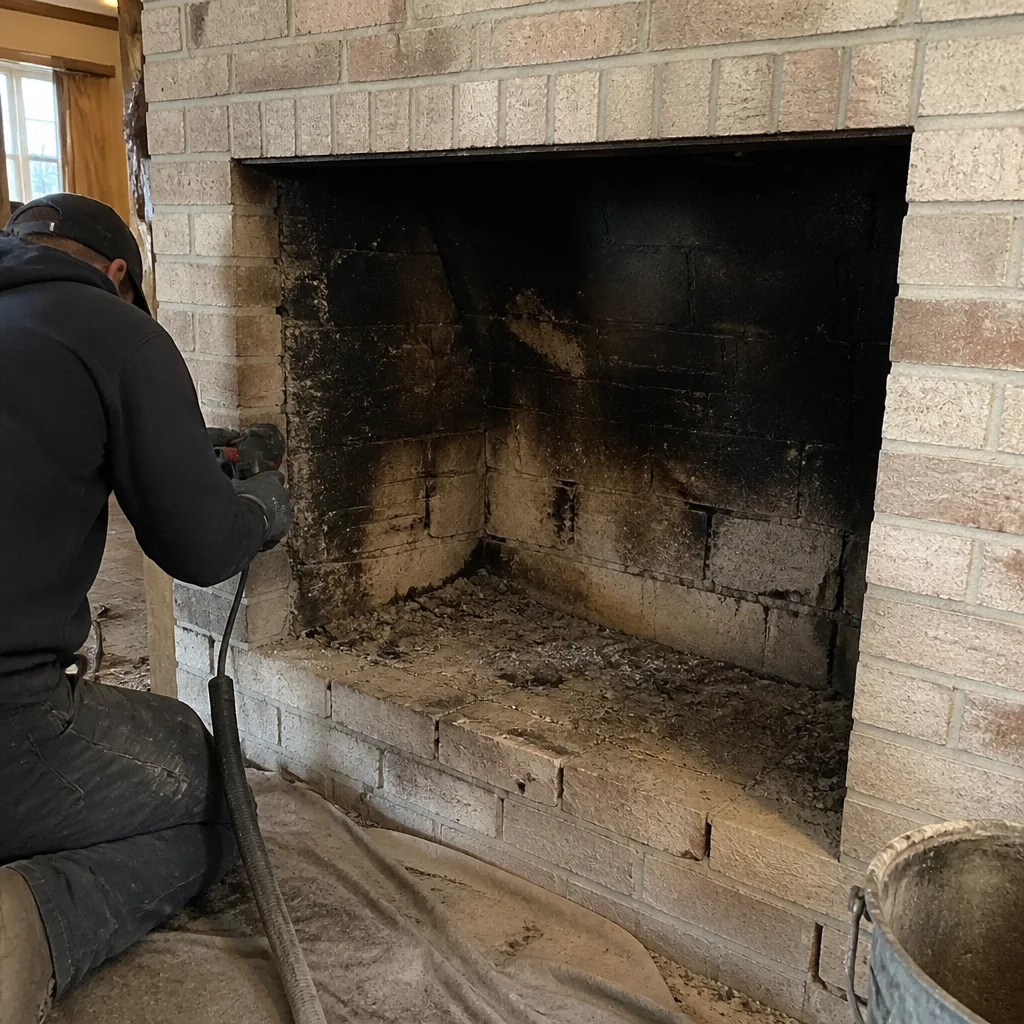
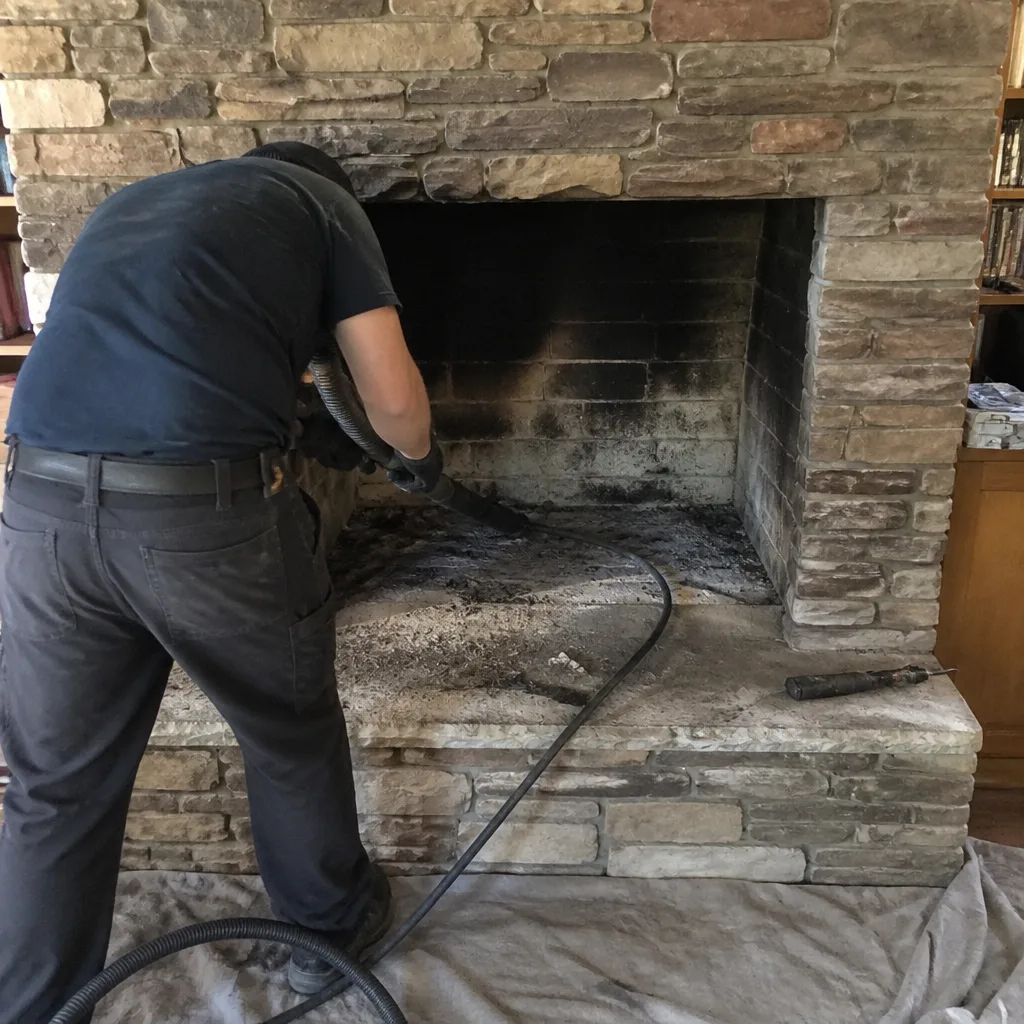 Before
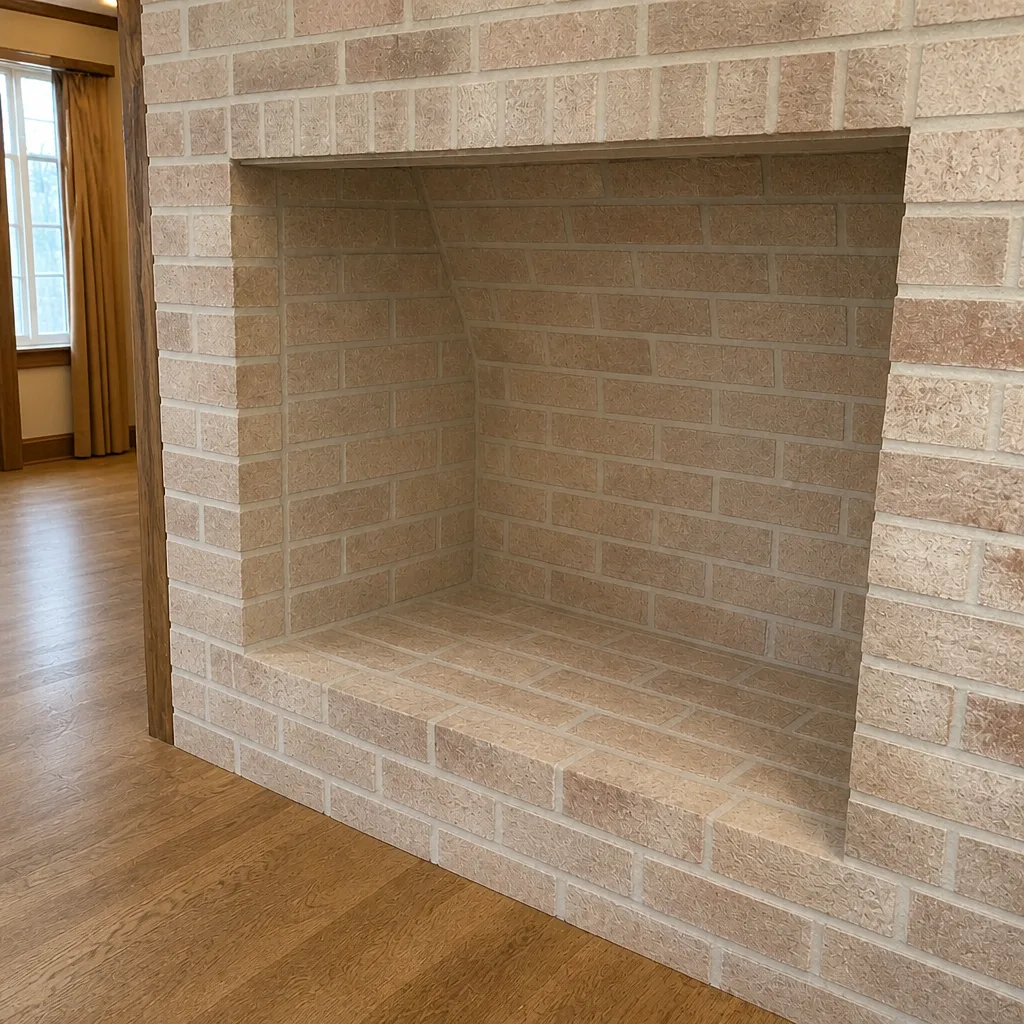
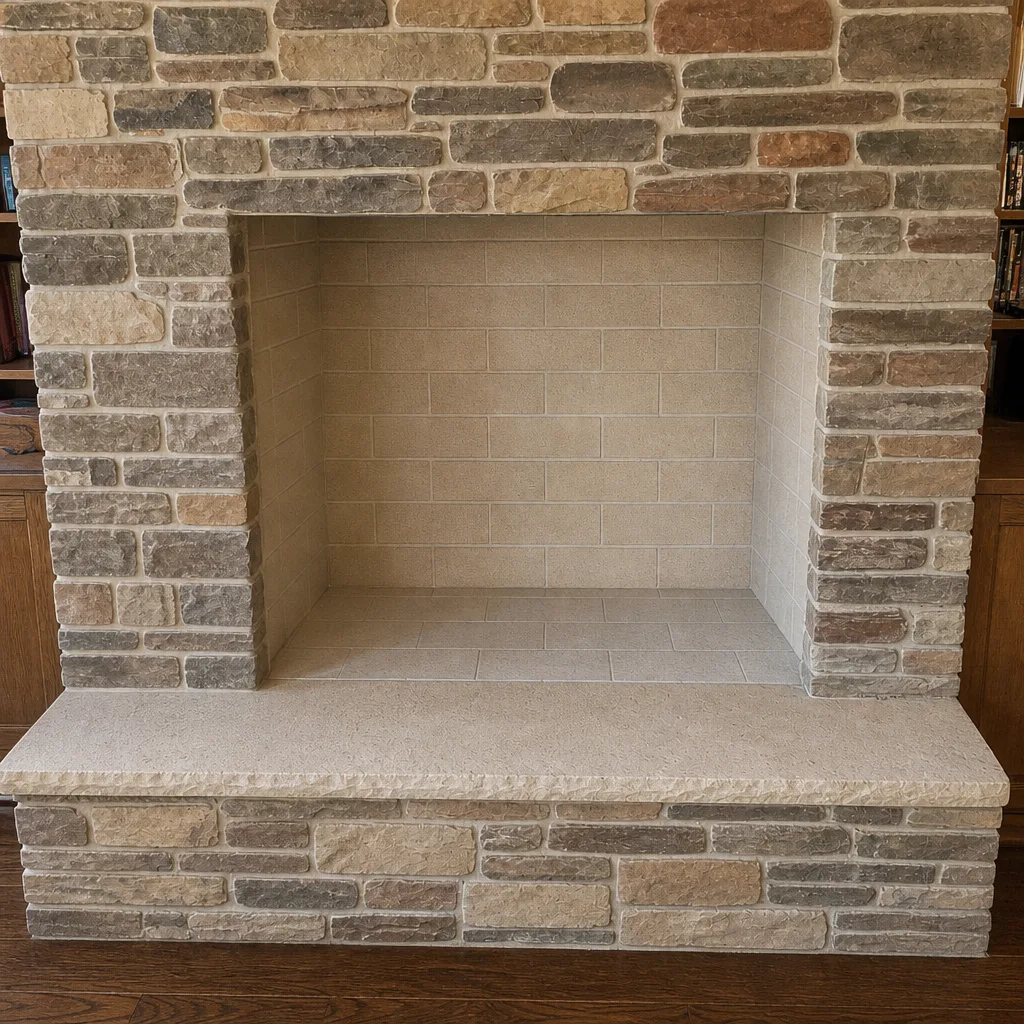 After
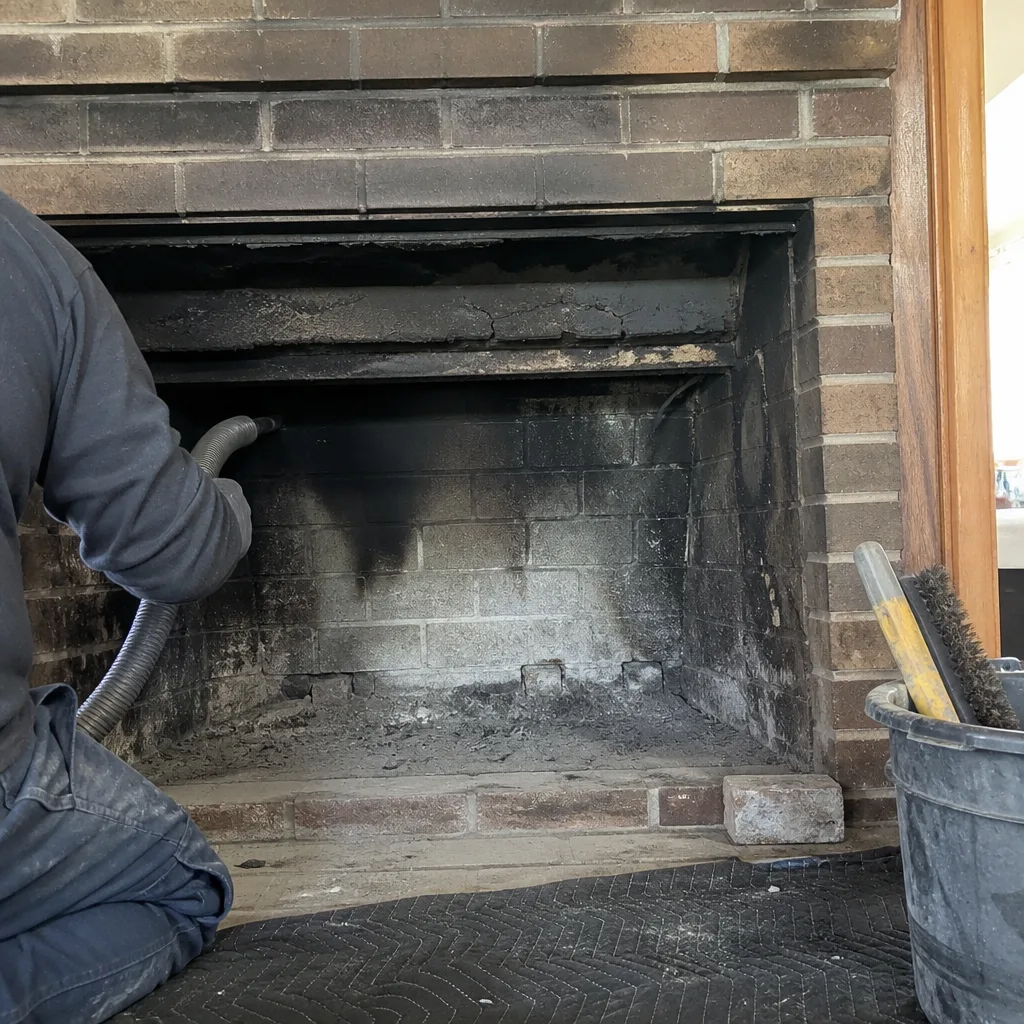 Before
 After
 Before
 After