
Last updated November 23, 2026
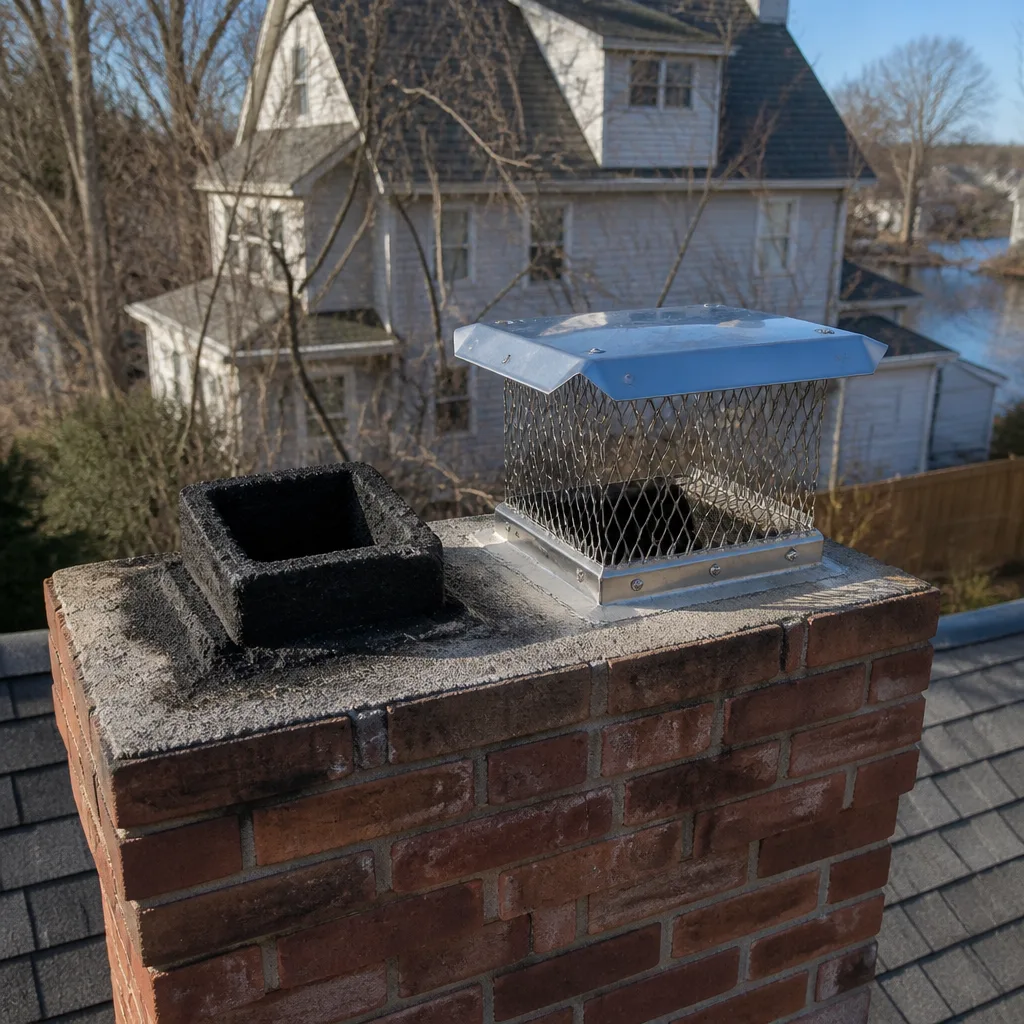 Sweep & inspection
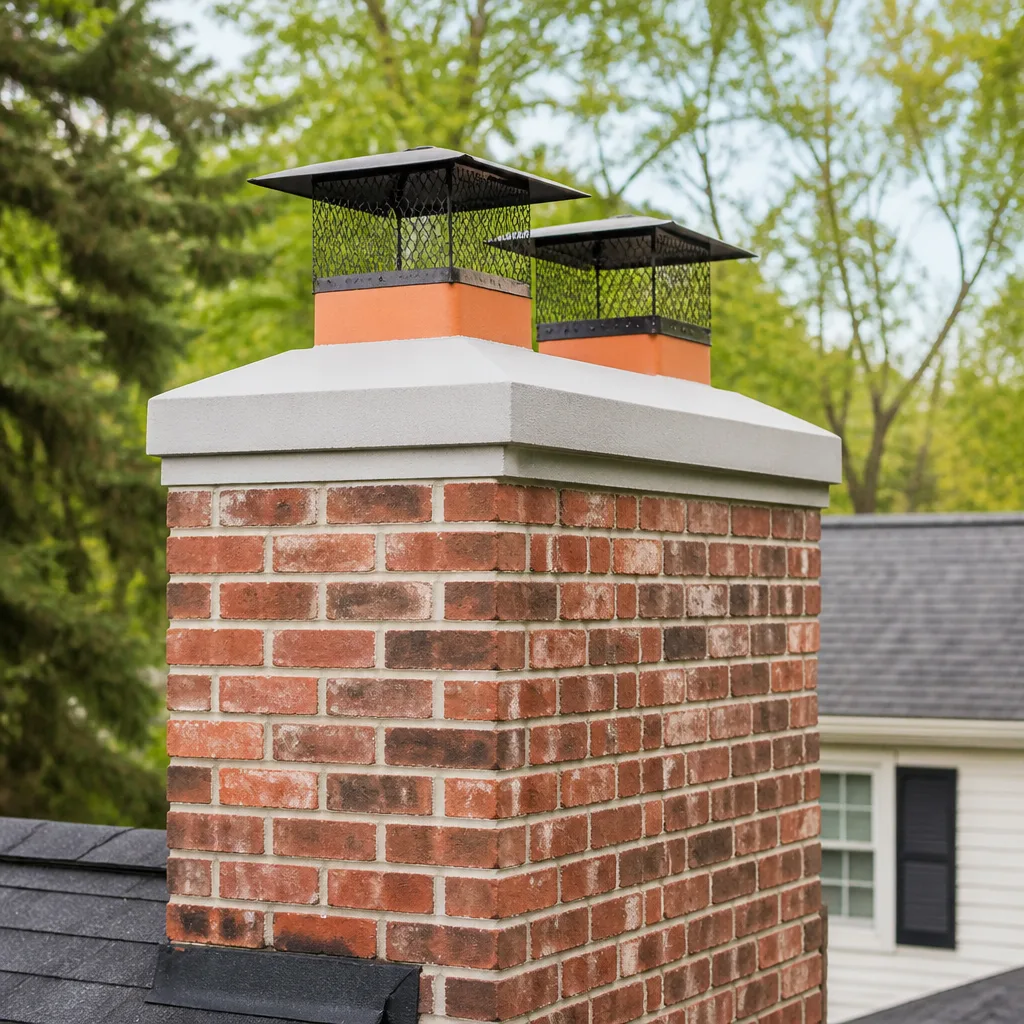 Caps & crowns
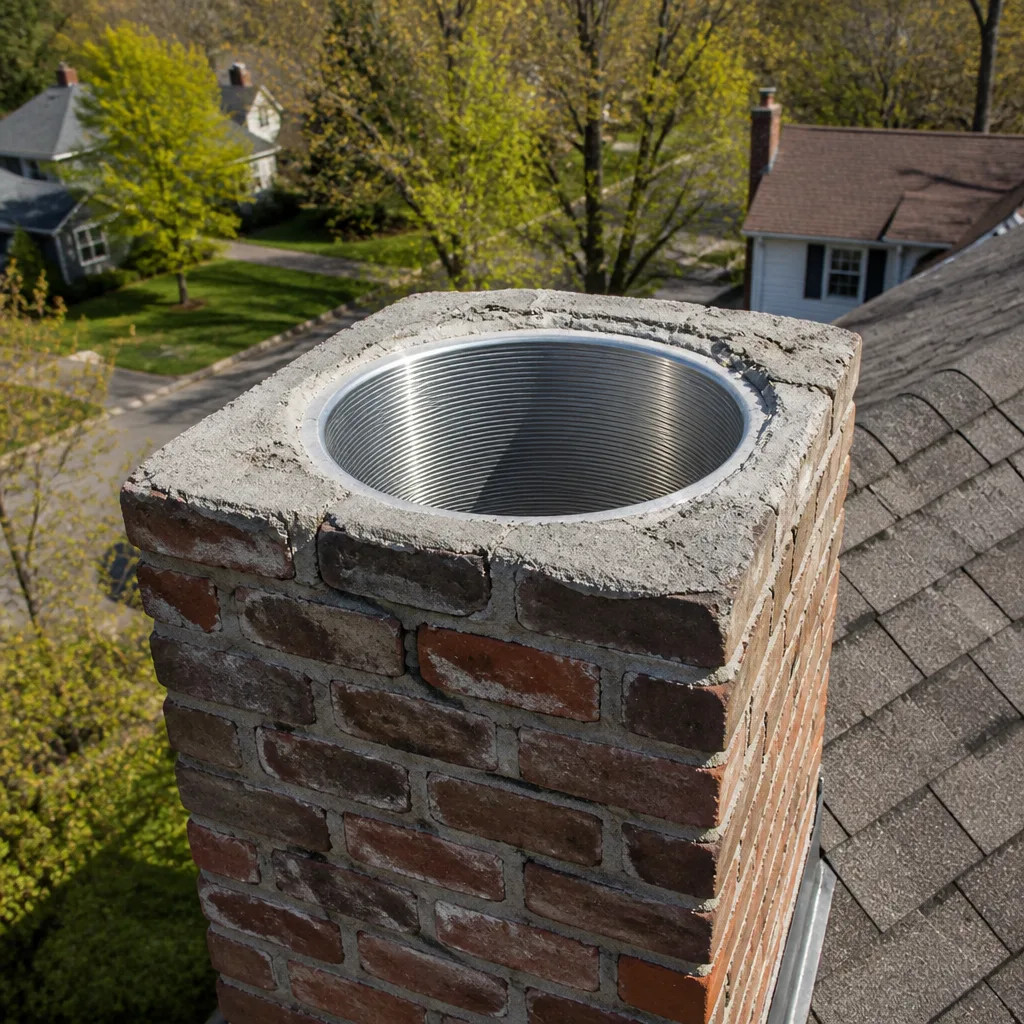 Flue relining
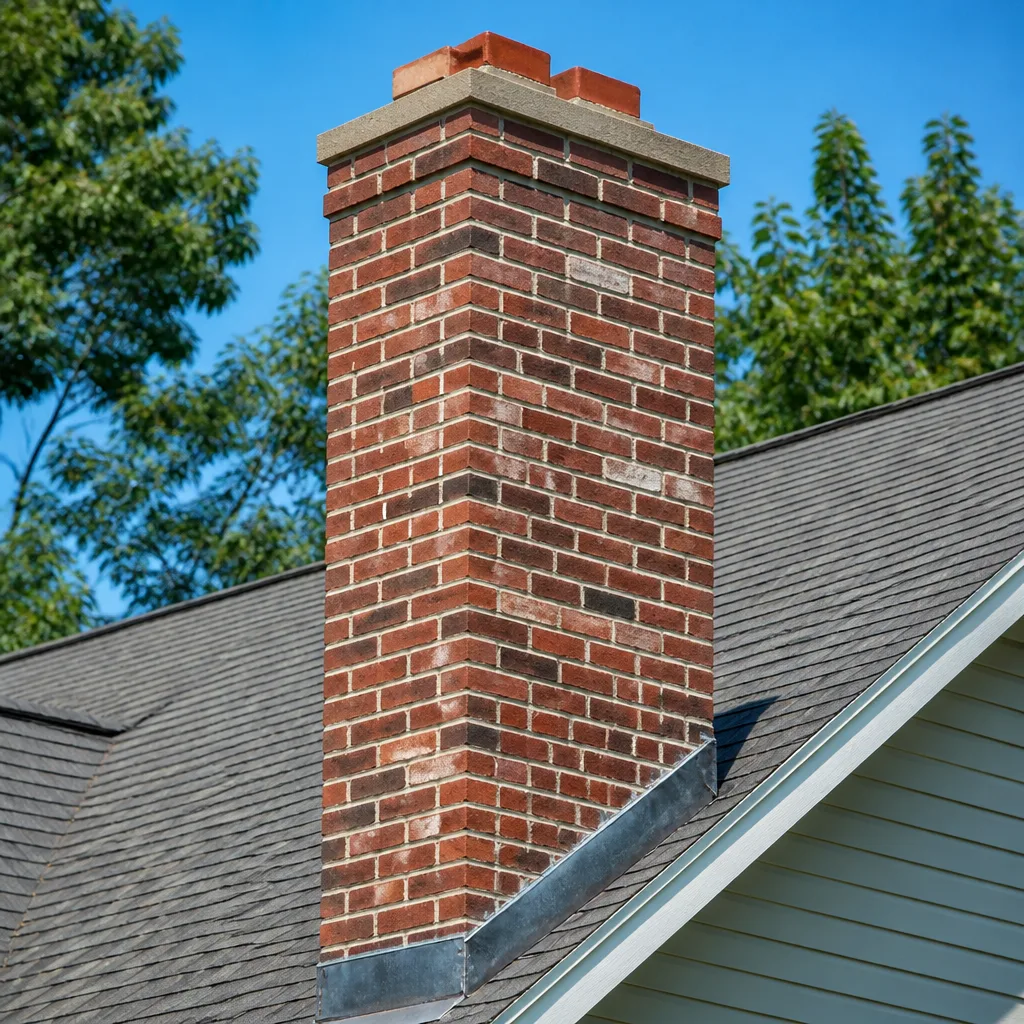 Masonry repair
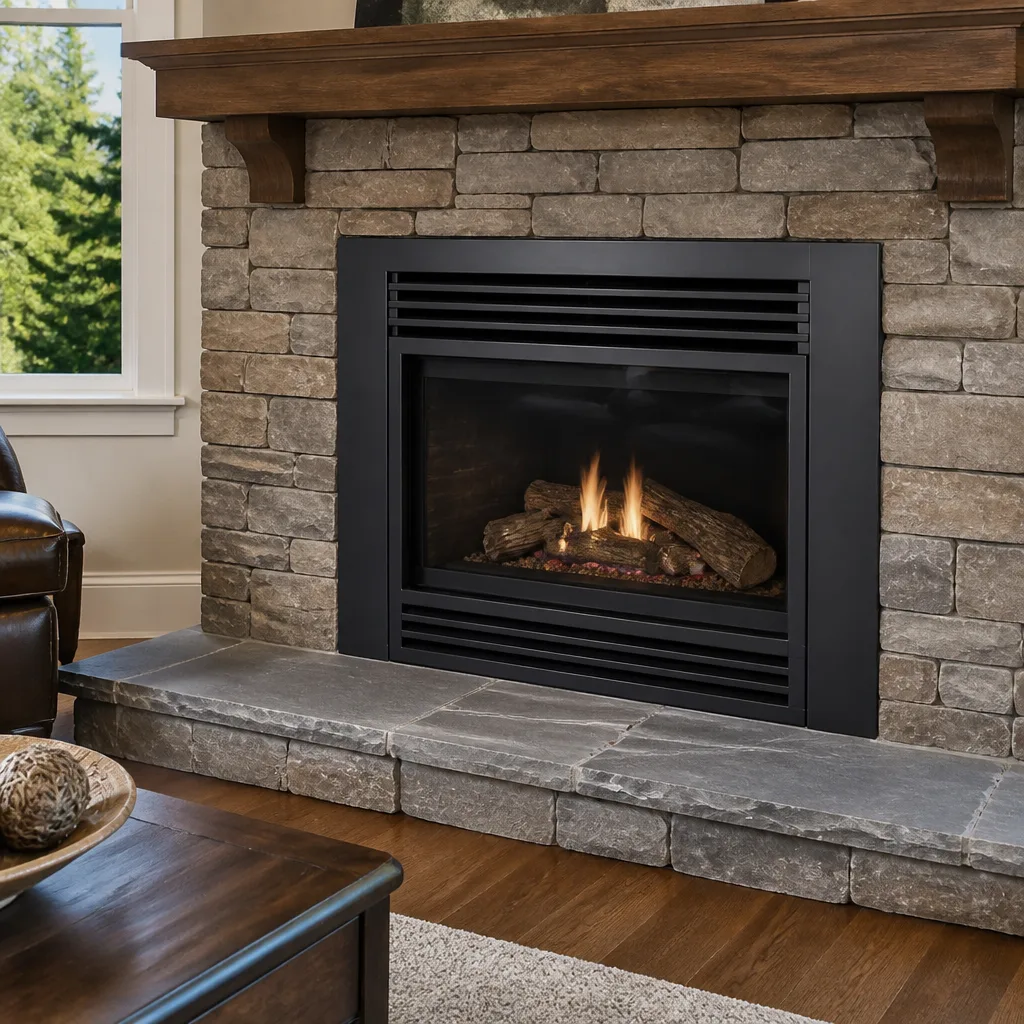 Gas fireplace service
Level 1 sweep and inspection to the NFPA 211 annual standard - flue, crown, cap, and flashing checked and photographed
Chimney sweep logs do not sweep chimneys. They loosen some creosote - which then falls where a brush and vacuum still have to collect it.
Chimney Cleaning Permits, Codes & Inspections in Parker, CO: What You Need to Know
Here’s the part that surprises most homeowners: cleaning your chimney almost never requires a permit. Relining it usually does. A relined or reconstructed chimney built without the proper Douglas County mechanical permit isn’t just a paperwork problem. It becomes an undisclosed material defect that can surface during a home sale years later, when the buyer’s inspector asks for documentation you don’t have. In Parker, the line between routine maintenance and regulated alteration is clearer than most people think, but it’s rarely explained. This guide walks through where that line sits under Colorado and Douglas County code, how NFPA 211 drives local enforcement, what a Level 2 inspection actually triggers in a Parker real estate transaction, and how to confirm that a finished job was permitted and closed out properly.
Quick Answer
Standard chimney cleaning in Parker, CO does not require a permit. A permit is normally required once work goes beyond maintenance into structural alteration, such as installing a new flue liner, rebuilding a firebox, or running new venting for a gas appliance. A Level 2 inspection is the technical standard triggered by a home sale, a fuel-type change, or an event like a chimney fire, and it’s the buyer’s or seller’s responsibility to order it, not the city’s.
Styles & brands we work with
- Sweep & inspection
- Caps & crowns
- Flue relining
- Masonry repair
- Gas fireplace service
Table of Contents
- Maintenance vs. Alteration: Where the Line Sits
- How NFPA 211 Drives Chimney Code Enforcement in Colorado
- What a Level 2 Inspection Triggers in a Parker Home Sale
- The Douglas County Permit Pathway for Liners and Gas Venting
- How to Verify a Chimney Project Was Permitted and Closed
- Parker Conditions That Test Your Chimney System
- The Three Inspection Levels and When Each Applies
Maintenance vs. Alteration: Where the Line Sits
In Parker, cleaning soot and creosote from an existing flue does not require a permit from the Town of Parker or Douglas County. Neither does replacing a chimney cap or repointing a crown. These are routine upkeep. The moment your project changes the structure of the venting system, you’ve crossed into permit territory.
It helps to think in two buckets. Maintenance keeps the system working as originally built. Alteration changes what was built.
- Maintenance, typically no permit: sweeping, Level 1 inspection, cap replacement, crown repair, minor mortar work, firebox brick replacement in kind
- Alteration, typically permits: new stainless liner installation, full relining, firebox reconstruction with a change in materials or dimensions, adding or replacing a gas appliance and its venting, converting a wood-burning hearth to gas
There’s a practical reason the line matters beyond code compliance. A liner is a structural component of the chimney. It’s also invisible after installation. If a liner was installed without a permit and never inspected by the authority having jurisdiction, a Parker buyer’s inspector has no way to confirm it was built to standard. That’s a risk to the seller, not just the buyer.
Anyone who tells you no permit is ever needed for a liner replacement in Parker is either misinformed or avoiding the inspection that a permit triggers. Either way, you’ll want a straight answer before work starts. Our position is simple: we inspect before we recommend, and we’ll tell you plainly when a job crosses into the alteration bucket.
How NFPA 211 Drives Chimney Code Enforcement in Colorado
Colorado doesn’t have a single statewide chimney code. Local jurisdictions adopt standards, and the standard they lean on is NFPA 211, the national code for chimneys, fireplaces, vents, and solid fuel-burning appliances. When a Parker building official inspects a liner or a firebox, they’re measuring your work against NFPA 211.
NFPA 211 covers clearance-to-combustibles requirements, liner thickness and material specifications, flue sizing relative to the appliance, cap and crown requirements, and vent termination heights. It also sets the inspection levels that inspectors refer to when evaluating a chimney. If your contractor installs a DuraFlex flexible liner, they’re installing a system designed to meet those material and clearance specs. If they use a generic hardware-store liner sized by eye, the inspection is where it shows.
Underneath all of this is the reason the code exists: fire and carbon monoxide. A cracked or improperly sized flue can let carbon monoxide into a home before anyone smells smoke. Creosote buildup in an unswept chimney is the fuel source for most chimney fires. In a community like Parker, where homes run fireplaces through long cold stretches in January and February, those risks are seasonal, predictable, and worth addressing before the first burn, not after. NFPA 211 exists because of them.
We work with professional-grade materials from brands chimney specialists trust, including DuraFlex, HeatShield, and Olympia Chimney. That matters at inspection time, when materials and clearances have to hold up to the standard the code cites.
What a Level 2 Inspection Triggers in a Parker Home Sale
A Level 2 inspection is required as part of the sale or transfer of a Parker home. The technical standard (NFPA 211) explicitly calls for a Level 2 when a property changes hands, when the fuel type changes, or after an event that could have damaged the chimney, such as a chimney fire or a seismic event. In Colorado, “changes hands” is the trigger every Parker real estate transaction walks through.
Here’s the part most people don’t realize: the city does not order this inspection. Neither does your realtor, automatically. The buyer or seller commissions it, and standard real estate contracts frequently leave it to whichever party agrees to pay for it. If neither does, there may be no documented inspection of the chimney at all, and the closing proceeds on assumption.
A Level 2 isn’t a quick look up the flue. It includes:
- A visual inspection of readily accessible portions of the chimney, including the firebox and the visible flue
- Access to concealed areas, often through a cleanout, attic, or roof access, without damaging the chimney
- Video camera inspection of the flue interior from top to bottom, with a photo or video report documenting any cracking, gaps, separation, or inappropriate installation
That report is the object of value. In our experience, the discrepancy cases in Parker come up most often on homes with a replaced liner or a converted hearth, where the documentation trail is thin. A seller who has the report is protected. A buyer who orders it before closing knows exactly what they’re inheriting. If you’re on either side of a Parker transaction, this inspection is the single most useful document you can get on the chimney system, and it costs far less than discovering a problem after close.
The Douglas County Permit Pathway for Liners and Gas Venting
The permit pathway for chimney alterations in Parker runs through Douglas County. Property owners or their contracted installers pull the mechanical permit, and the project requires a final inspection before the permit is closed. We clarify the difference between permit-pulled and permit-closed because a permit that was opened and never inspected is not the same as a compliant job.
A liner installation, a firebox rebuild, or new gas appliance venting all follow the same arc:
- Confirm the requirement: Contact Douglas County’s building department before the work begins and describe the project. Confirm which permit category applies and what drawings or specifications they need.
- Pull the permit: The permit name should match the party responsible for the installation. In practice it’s the licensed contractor doing the work, or the homeowner as a permit applicant.
- Schedule the inspection: The inspection verifies the installed system against NFPA 211 and the approved permit. The liner, clearances, cap, and vent termination are all examined.
- Close the permit: After a passing inspection, the permit is closed in the county record. That closure is what shows on the property history later.
On cost, the permit fee itself is separate from the installation estimate, and it’s set by Douglas County. The installation scope and price are set by the written estimate for the job, and we don’t fold in anything you haven’t seen. If you’re not sure whether your project needs a permit, ask the county directly. It’s a phone call, and it prevents a much harder conversation later.
For routine service below the alteration line, the chimney sweep side of our business doesn’t involve permits at all, and that’s the right answer for most Parker homes every year.
How to Verify a Chimney Project Was Permitted and Closed
Before you buy a Parker home, verify that any chimney alteration on the property was permitted and closed. You can usually do this by requesting the permit history for the address from Douglas County’s building department. Look for the permit category, the date it was issued, the inspection result, and the closure date. A permit with no closure record is a red flag worth asking about, not necessarily a dealbreaker.
A practical verification sequence:
- Request the permit history for the property address from Douglas County.
- Match the permit to the physical work: liner, firebox, or venting. If the property has a new liner and no corresponding permit, ask why.
- Request the closing inspection documentation. A passing inspection report is the strongest signal that the work was done to standard.
- Order a Level 2 inspection. The camera report tells you the physical condition regardless of paperwork, and the two together give you a complete picture.
The follow-up question if you find a gap is straightforward: was this done with a permit, and if not, what does it take to bring it into compliance? Ask the county. Ask a chimney specialist. Then decide. At Parker Chimney Sweep Pros, we can inspect the installed system and tell you what condition it’s in and what it needs, without guessing at the paperwork.
Parker Conditions That Test Your Chimney System
Parker sits on the eastern edge of the Denver metro, on open terrain where wind has very little to slow it down. That wind finds the top of a chimney first. It drives rain and snow against caps and crowns, and freeze-thaw cycles on a Colorado winter work mortar joints harder than in milder climates. The freeze-thaw effect is why crown deterioration is such a common finding in Parker homes and why cap-and-crown service is one of our standing priorities. Water intrusion is the leading cause of long-term chimney structural damage, and it starts at the top.
Long, cold winters in Parker also mean extended burning seasons. A fireplace that runs for four to five months produces more creosote than one used a few weeks a year, which is why the annual sweep matters here. Wood smoke and creosote are the fuel for chimney fires, and the buildup is invisible until a camera sees it.
Douglas County homes also span a wide range of construction eras and fuels: older masonry chimneys, factory-built units, gas inserts, and wood stoves. Each has its own venting standard and each has to meet NFPA 211 on its own terms. That’s why we keep the full service scope under one roof: sweep, inspection, chimney repair, fireplace repair, and cap and crown. You’re not handing your chimney to a generalist who does this on the side.
The Three Inspection Levels and When Each Applies
NFPA 211 defines three inspection levels. Knowing which one you need saves you from paying for more than the situation requires, or from ordering less than the situation demands.
- Level 1: A visual inspection of the readily accessible parts of the chimney, with or without the use of common tools. This is the appropriate level for the annual sweep of a chimney that’s in service and structurally sound. It does not include concealed areas or a video camera run.
- Level 2: Everything in Level 1, plus access to concealed areas and a full video camera inspection of the flue. Triggered by a home sale, a change in fuel type, an event that could have damaged the chimney, or a change to the flue. This is the standard a Parker real estate transaction calls for.
- Level 3: Everything in Level 2, plus selective removal of parts of the chimney or building when the previous levels can’t determine condition. Rare, and only used when the risk justifies opening up access.
In our experience, most Parker homeowners need a Level 1 on an annual basis and a Level 2 when they’re buying, selling, or changing anything about their fire. That’s a clean, simple rubric. Our technicians have up to 14 years of experience running these inspections, and we’d rather tell you a Level 1 is all you need than sell you a Level 2 you don’t. We inspect before we recommend.
Common Mistakes to Avoid
- Assuming a new liner means permits were handled. A shiny new liner installed without a Douglas County permit leaves no compliance record. Ask for the permit and closing inspection before you accept the work as done.
- Treating a change in fuel type as a minor upgrade. Converting a wood hearth to gas changes the venting requirements, and it typically triggers both a permit and a Level 2 inspection. Skipping either one puts the appliance outside the code on day one.
- Ordering a Level 1 inspection for a home sale. A buyer who brings in a Level 1 for a closing has not technically satisfied the Level 2 standard NFPA 211 references. The gap shows up later, when the next buyer’s inspector asks the same questions.
- Hiring a generalist who “does chimneys too.” Generic sweep equipment doesn’t give you the camera report a Level 2 requires, and it doesn’t give you a contractor comfortable working alongside a county inspector. A chimney is a system, and it deserves a specialist.
- Skipping the crown and cap because they’re “just on top.” Water gets in at the top first. In Parker’s wind-driven rain and snow, a cracked crown or a missing cap turns into a saturated chimney and damaged masonry over a few winters, not a few decades.
- Assuming the county will flag an unpermitted chimney. The county inspects what’s permitted. Nothing in the purchase process automatically inspects a chimney, so the responsibility to verify sits with the buyer, seller, or their agent.
- Letting a home sit with a fireplace of unknown history. A new Parker homeowner who inherits a fireplace has no idea whether the last owner ever had it swept. One Level 2 inspection before the first fire replaces all that uncertainty with a camera report and a written condition assessment.
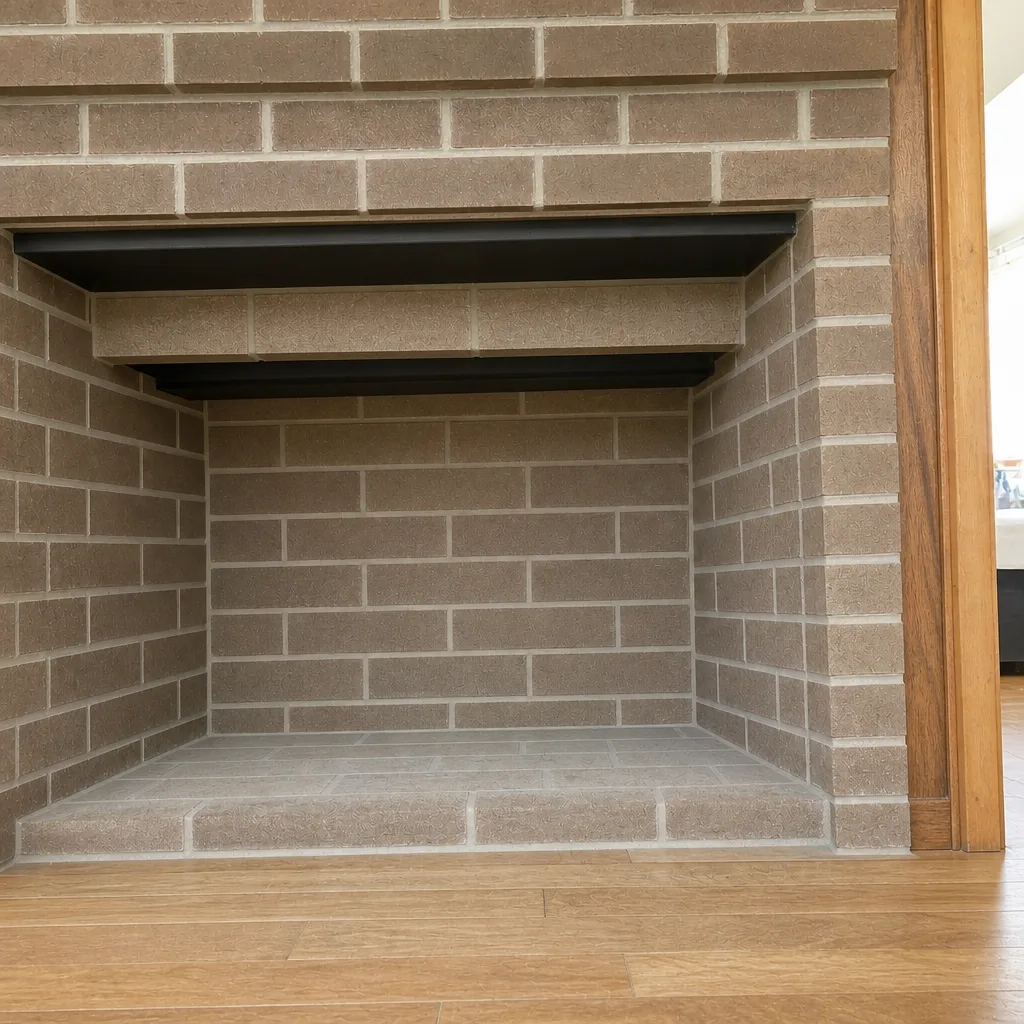
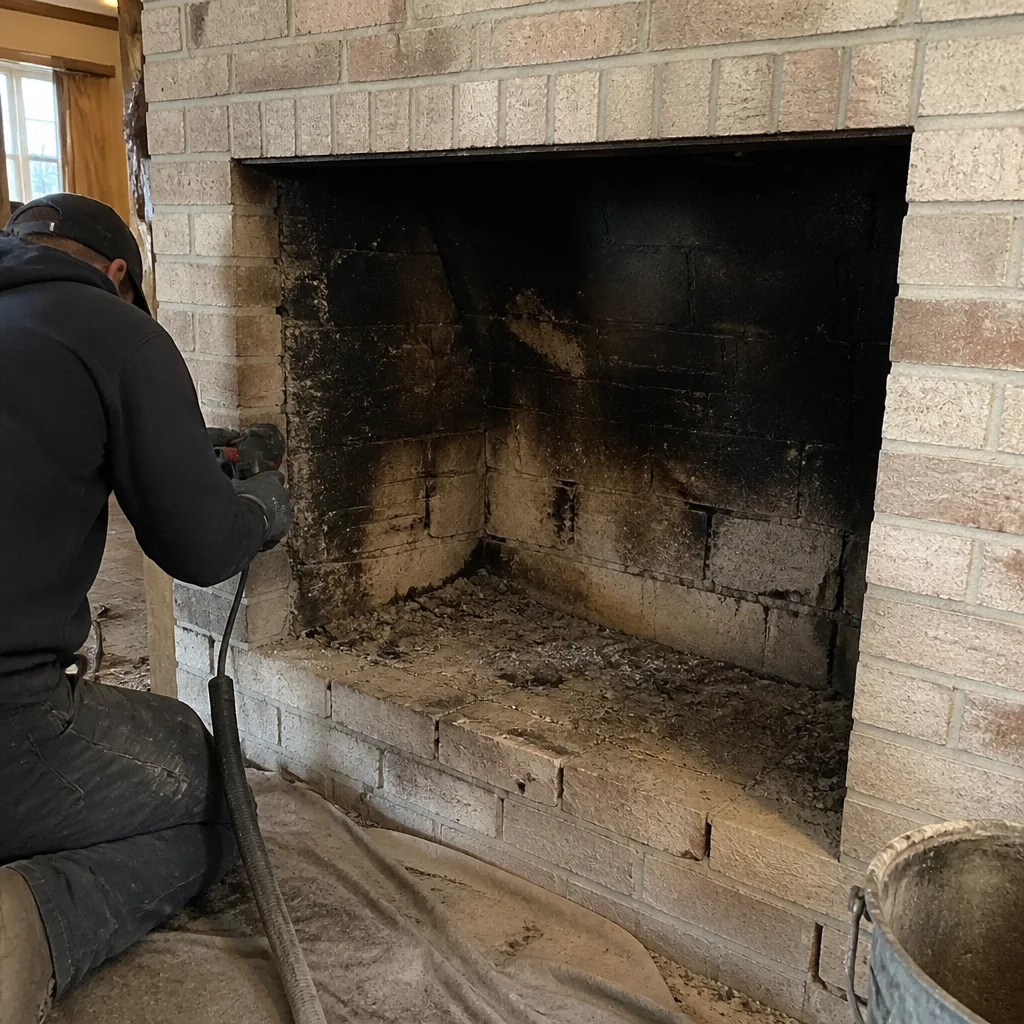
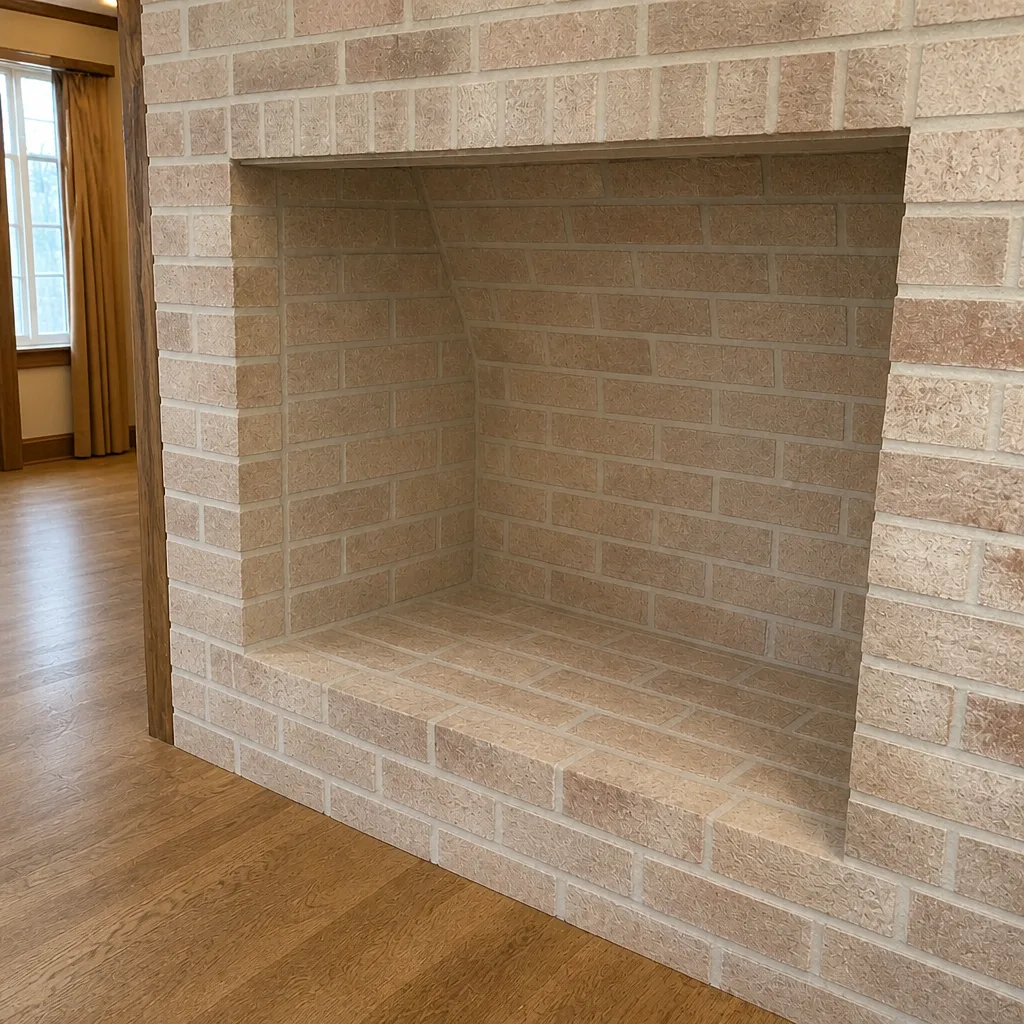
See the difference
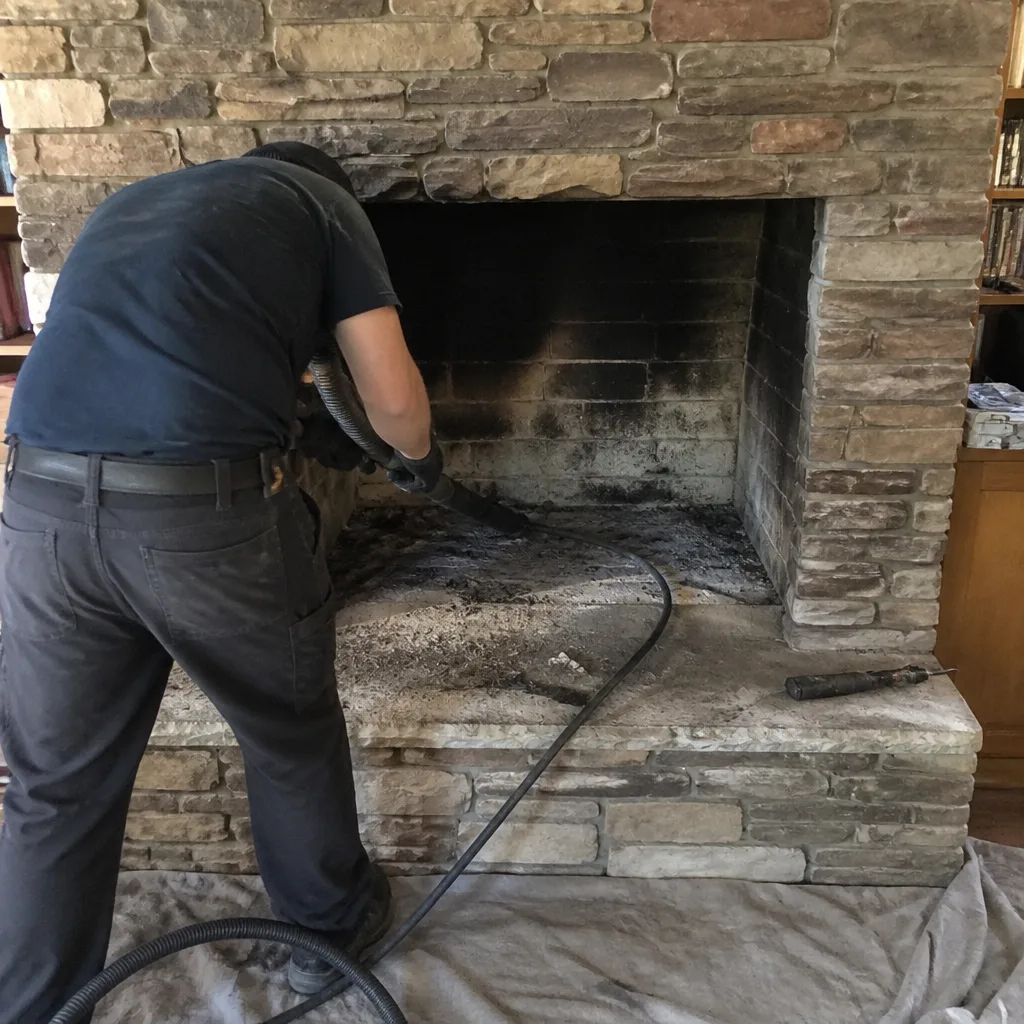 Before
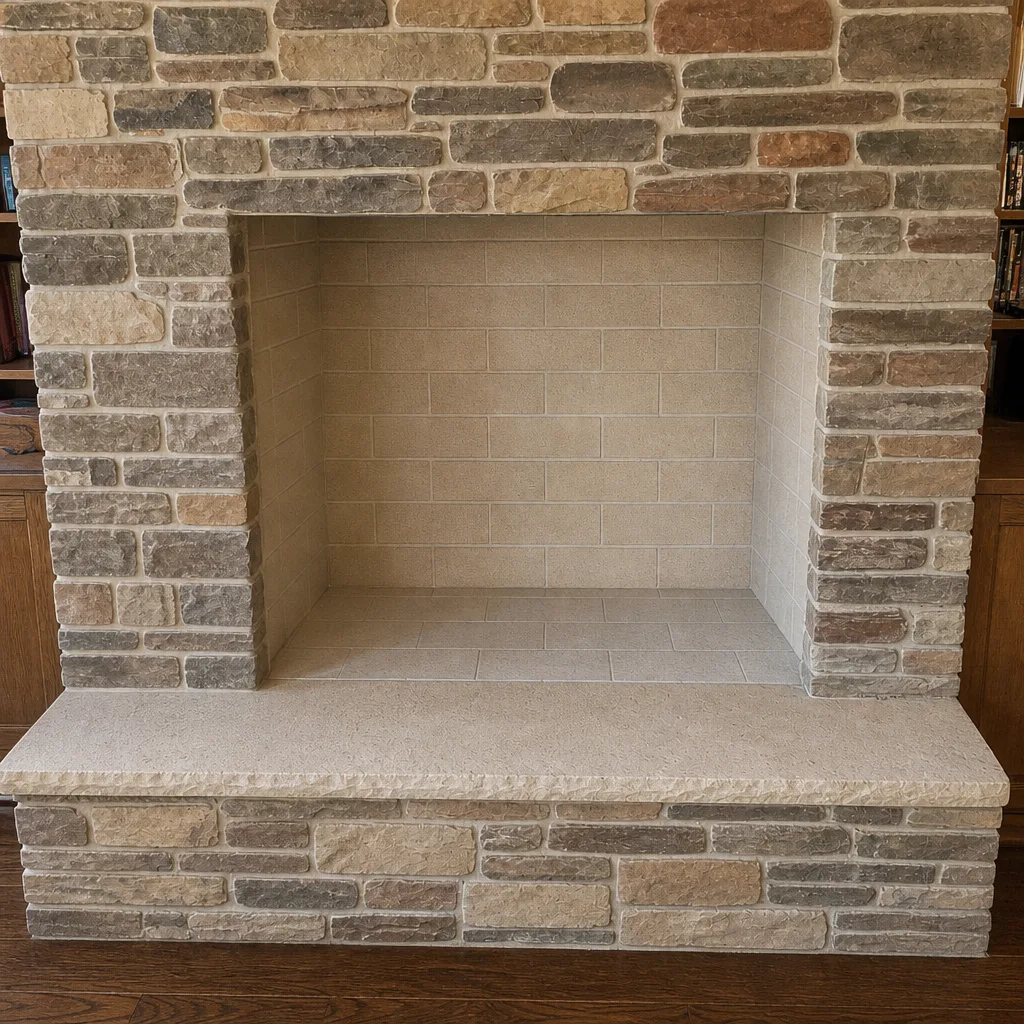 After
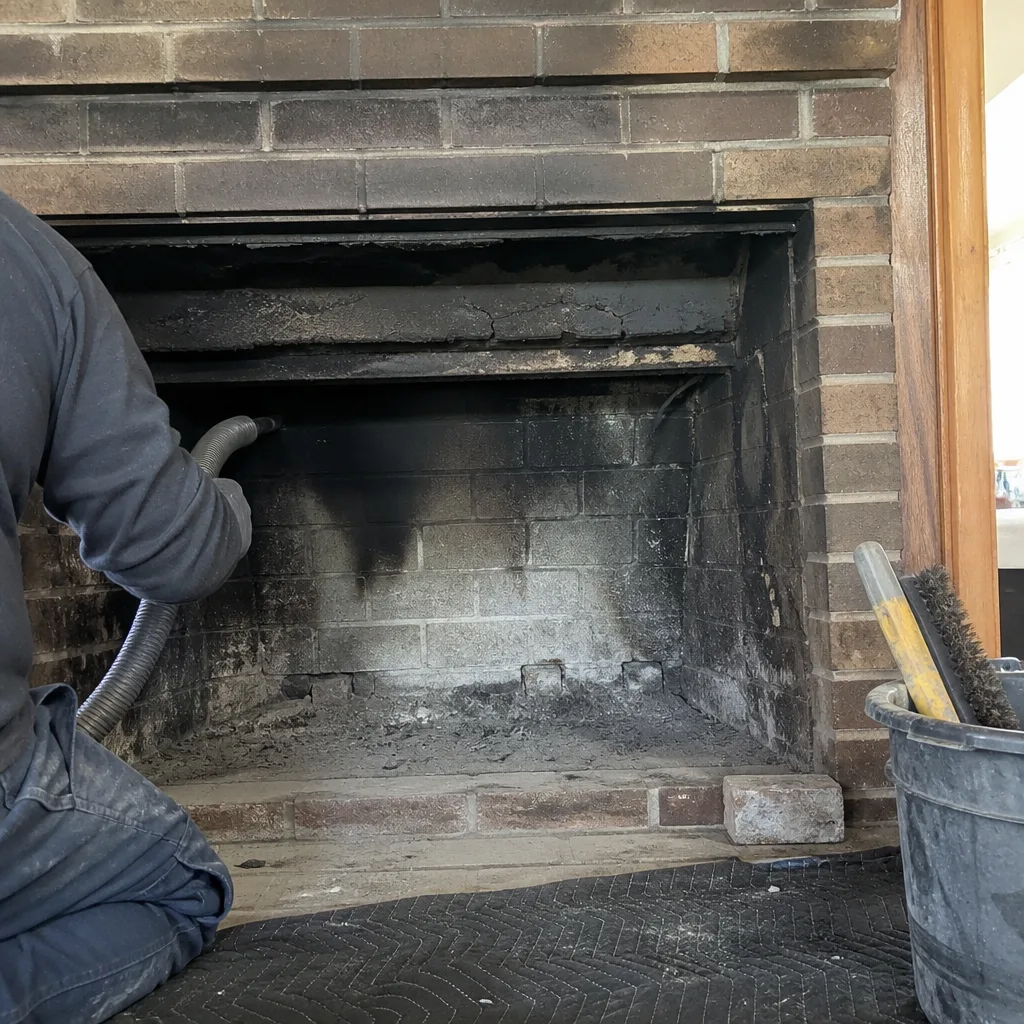 Before
 After
 Before
 After
When to Call a Professional
Call a specialist when the question isn’t just “when was this swept” but “was this built and permitted to standard.” Specifically: before your first fire in a home you just bought, before you list a Parker home for sale, when you’re adding a gas insert or running new venting, when you’ve had a chimney fire, when the crown or cap is cracked, or when your annual sweep turns up creosote the camera can see but a flashlight can’t. Some of those are a Level 1 job. Some are permits and a Level 2. We’ll tell you which. Parker Chimney Sweep Pros offers free estimates in Parker, and you can call (866) 947-9489 to book one.
Frequently Asked Questions
No. Chimney cleaning in Parker does not require a permit because it’s classified as maintenance, not alteration. A permit becomes necessary when work changes the structure of the venting system, such as a new liner, a firebox rebuild, or new gas appliance venting. Call (866) 947-9489 if your project is on the fence and we’ll help you figure out which side you’re on.
Yes, liner replacements typically require a mechanical permit through Douglas County, and the project requires a final inspection before the permit closes. The permit itself is generally pulled by the licensed contractor performing the work, and the fee is set by the county. If your contractor says no permit is needed for a liner in Parker, ask why in writing. Call (866) 947-9489 to talk through your project first.
The buyer or the seller has to order the Level 2 inspection. The city does not order it and neither does the county. What gets documented in the sale depends on what the two parties agree to in the contract, so whichever side commissions it is the side protected by the report. If you need a report before your closing, call (866) 947-9489 to schedule one.
A properly installed stainless liner is designed to last decades, and a Level 2 inspection with video camera confirmation is how you verify a liner is still intact and correctly sized. The camera report shows cracks, gaps, and separation that you can’t see from the firebox. If you don’t know the age or condition of your liner, book a Level 2 inspection. Call (866) 947-9489 for an estimate.
Creosote is a byproduct of burning wood, and it forms fastest in chimneys that run through long cold stretches, which is the norm in Parker. Creosote is flammable, and a heavy accumulation is the main fuel source for chimney fires. An annual sweep keeps the buildup in check, and a camera inspection confirms the interior condition. Call (866) 947-9489 to book your sweep before the burning season.
You can sell the home, but the unpermitted liner has to be disclosed or resolved, and a buyer’s inspector will likely raise the question. Having the liner inspected and brought into compliance before listing is usually the smoother path. Call (866) 947-9489 and we’ll assess what the chimney has and what it needs, so you’re not guessing at the answer mid-transaction.
The Bottom Line
For most Parker homes, the permit question comes down to a clean distinction: cleaning and routine upkeep are maintenance, while relining, firebox reconstruction, and gas venting are alterations that need a Douglas County mechanical permit and a closing inspection. NFPA 211 is the technical standard behind that code, and a Level 2 inspection is the document that ties it all together, at closing or before your first fire in a new home. Do the permit check before you buy, the annual sweep before the season, and the camera-based inspection whenever you don’t know what’s inside the flue. That’s the whole system, and one specialist can handle all of it.
Parker Chimney Sweep Pros covers the full chimney lifecycle for Parker homeowners, from annual sweep to full liner restoration, using professional-grade brands like HeatShield, DuraFlex, Gelco, and Olympia Chimney. Call (866) 947-9489 for a free estimate. We answer 24/7. Fast dispatch from 7am to 7pm, Sunday through Friday. Visit Parker Chimney Sweep Pros to see the full service range.
Written by the team at Parker Chimney Sweep Pros.